
The Peril of Military Intervention in Iran: A Grave Warning from History
Published
- 3 min read
Introduction: A Delicate Geopolitical Crisis
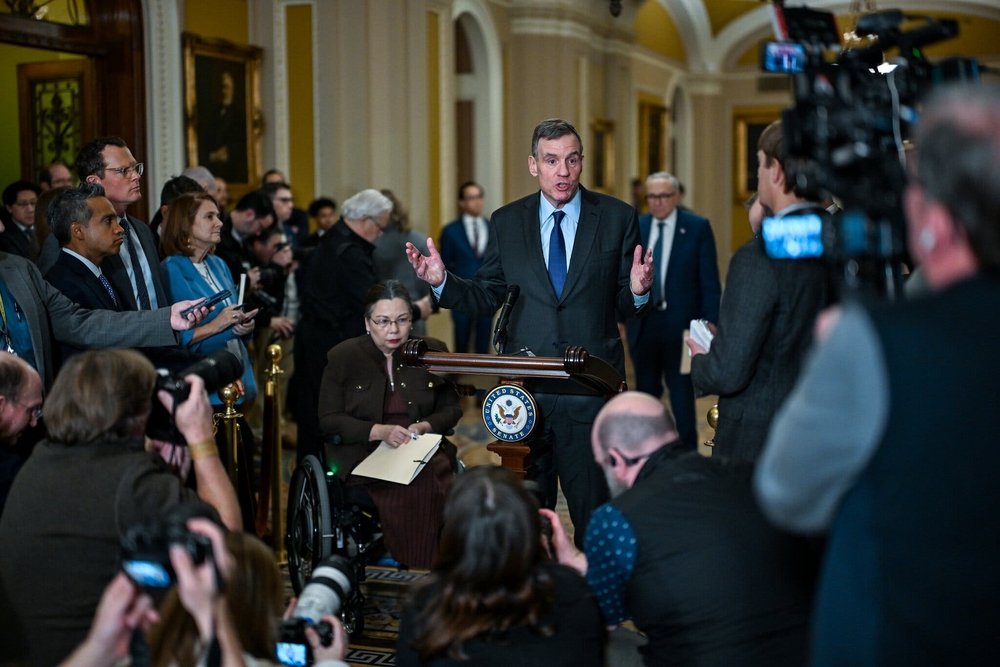
The escalating protests in Iran, driven by deep-seated economic grievances and suffocating authoritarian rule, have captured global attention. These demonstrations represent a courageous cry for freedom from a populace weary of repression. However, the potential U.S. military response, as debated by policymakers, threatens to catastrophically undermine this organic movement. Senator Mark Warner, the top Democrat on the Senate Intelligence Committee, has voiced profound skepticism about such intervention, highlighting the dangerous historical parallels and intelligence limitations that make impulsive action perilous. This crisis demands not reckless force but strategic wisdom grounded in America’s constitutional principles and hard-learned lessons from past foreign policy disasters.
Factual Context: The Current Situation
Recent intelligence reports confirm that protests in Iran are intensifying, posing a significant threat to Tehran’s regime. The government has responded with brutal crackdowns, including shutting down internet access to stifle dissent. President Trump has been briefed on military strike options, following his threats against Iran for suppressing protesters. U.S. intelligence agencies, however, admit severe limitations in assessing the conflict’s trajectory. Their networks in Iran have been historically weakened, leaving Washington struggling to predict whether protesters or the government will prevail. Critical gaps remain in understanding the endurance of either side, with analysts suggesting protesters may need external support—but not necessarily military intervention—to sustain their momentum.
Historical Precedent: The Ghost of 1953
Senator Warner’s reference to the 1953 CIA-led coup that overthrew Iran’s government to protect oil interests is a chilling reminder of intervention’s unintended consequences. That operation, aimed at securing Western economic dominance, ultimately fueled anti-American resentment that boiled over into the 1979 Islamic Revolution. The ayatollahs’ rise was directly linked to this foreign manipulation, creating a theocratic regime that has oppressed Iranians for decades. This history underscores a brutal truth: military interventions often empower the very forces they seek to dismantle, betraying local populations who bear the lasting trauma. The cycle of blowback—where short-term gains spawn long-term devastation—should haunt every policymaker considering strikes in Iran today.
Intelligence Failures and Strategic Blindness
U.S. intelligence agencies currently lack “strong visibility” into Iran’s internal dynamics, as Warner noted. This blindness is not incidental; it stems from past operational failures that devastated intelligence networks. Without reliable on-the-ground insights, any military action would be akin to navigating a minefield blindfolded. Spy agencies warn that Tehran’s heavy-handed repression may be deliberately provoking Trump, baiting him into a conflict that would unite Iranians against an external enemy. Such a scenario would martyr the regime’s narrative of resisting American imperialism, drowning protesters’ legitimate grievances in nationalist fervor. This intelligence vacuum makes military planning not just risky but ethically indefensible, as it gambles with innocent lives based on incomplete information.
The Moral Imperative: Why Force Betrays Freedom
Military strikes, however well-intentioned, fundamentally contradict the principles of self-determination enshrined in America’s founding documents. The Bill of Rights celebrates liberty as an inherent human right, not something bestowed by foreign armies. By imposing freedom through violence, we ironically negate its very essence—autonomy. Iranian protesters are not pawns in a geopolitical chess game; they are human beings exercising their innate desire for dignity. Reducing their struggle to a pretext for bombardment commodifies their suffering, transforming them from agents of change into casualties of our hubris. True solidarity requires amplifying their voices, not drowning them out with explosions that risk collateral damage and lasting hatred.
Diplomatic Alternatives: A Path of Principled Engagement
Senator Warner advocates for international pressure—sanctions, diplomatic isolation, and multilateral condemnations—as a more effective tool. This approach aligns with democratic values by empowering global institutions and avoiding the unilateralism that erodes America’s moral authority. Diplomacy creates space for civil society to flourish without fueling anti-Western propaganda. It also acknowledges that sustainable change must be organic; protests rooted in local grievances cannot be hijacked by foreign agendas without losing legitimacy. By working through channels like the United Nations, the U.S. can isolate the regime while honoring protesters’ sovereignty, ensuring they lead their own liberation rather than becoming proxies in a proxy war.
Constitutional Responsibilities and Congressional Oversight
The Founders vested war powers in Congress to prevent impulsive military actions by the executive branch. Warner’s stance underscores the necessity of rigorous oversight, especially when intelligence is uncertain. Bypassing congressional authorization for strikes in Iran would not only violate constitutional checks and balances but also set a dangerous precedent for imperial presidency. Lawmakers must demand transparent evidence and debate the long-term implications, resisting the siren song of swift action that often ignores downstream consequences. This deliberative process, though slow, embodies the republican virtues that safeguard against tyranny—both abroad and at home.
Conclusion: Wisdom Over Warfare
The Iranian people’s bravery deserves more than becoming collateral damage in a geopolitical confrontation. History screams caution: from Vietnam to Iraq, interventionism has repeatedly birthed generations of animosity. Senator Warner’s warning is a beacon of sanity in a storm of rash proposals. Let us champion diplomatic pressure, cyber assistance for communication, and humanitarian support—tools that uplift without destroying. Freedom cannot be bombed into existence; it must be nurtured with humility and respect for human agency. In standing with Iranians, we must ensure our actions never mirror the oppression they fight, lest we become the very monsters we condemn.