
The Perilous Gamble: Trump's Iran Policy and the Abdication of Diplomatic Responsibility
Published
- 3 min read
The Facts: A Sudden Policy Reversal Amid Crisis
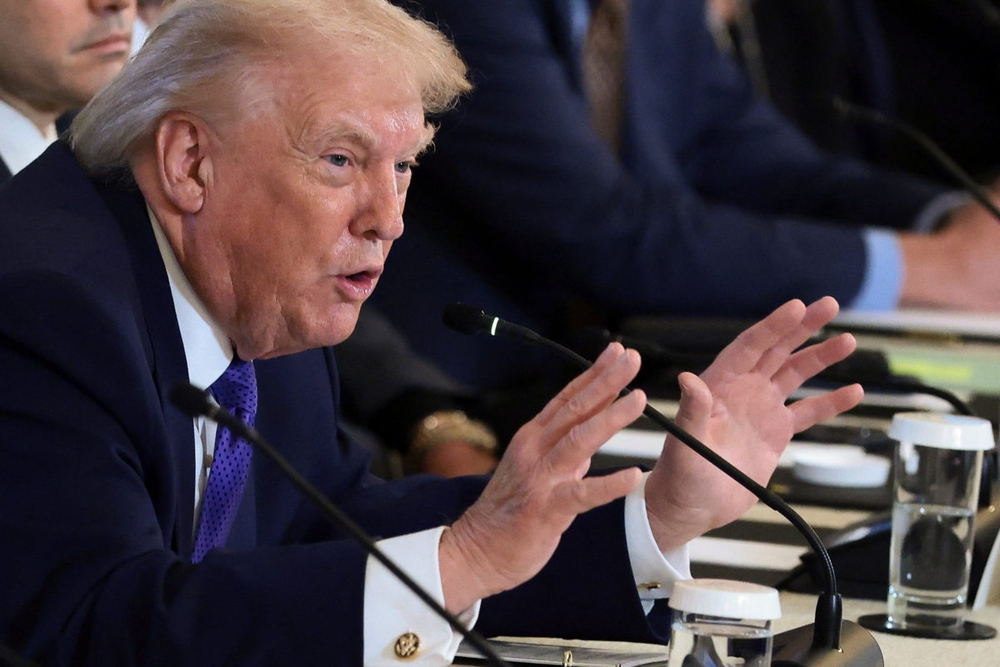
The unfolding tragedy in Iran has reached catastrophic proportions, with human rights monitors reporting over 2,000 killed in the government’s brutal crackdown on protesters. Against this backdrop of violence and suffering, President Trump announced via Truth Social on Tuesday that he has canceled all meetings with Iranian officials until what he called the “senseless killing of protesters stops.” In his social media post, the President urged Iranian citizens to “KEEP PROTESTING - TAKE OVER YOUR INSTITUTIONS!!!” while promising that “HELP IS ON ITS WAY” without specifying what form this assistance might take.
This announcement represents a dramatic shift from the President’s position earlier this week, when he suggested that Iran wanted to negotiate with Washington following his military threats against the Islamic Republic. The administration has repeatedly threatened Tehran with military action if evidence emerges that the regime is using deadly force against antigovernment protesters, though no decision on such response has been publicly confirmed.
Context: A Pattern of Unpredictable Foreign Policy
This latest development occurs within a broader context of increasingly erratic U.S. foreign policy toward Iran. The President’s approach has vacillated between bellicose rhetoric, economic sanctions, occasional diplomatic overtures, and now this abrupt cancellation of talks during a humanitarian crisis. The absence of clear strategy or consistent messaging has created uncertainty not only for Iran but for American allies and the international community attempting to navigate this volatile situation.
The Iranian protest movement itself represents one of the most significant challenges to the regime in decades, with citizens courageously demonstrating against governmental oppression and economic hardship. The reported death toll of over 2,000 represents a staggering loss of life that demands international attention and a principled response grounded in human rights and democratic values.
The Danger of Vagueness in Crisis Response
The President’s promise that “help is on its way” without accompanying details represents a particularly concerning aspect of this development. In situations involving potential military conflict and humanitarian crises, clarity and precision are not merely preferable—they are essential for preventing miscalculation, escalation, and further loss of life. Vagueness in such circumstances can create dangerous expectations among protesters while providing ammunition for regime propaganda alleging foreign interference.
This approach stands in stark contrast to traditional diplomatic practice during humanitarian crises, which typically involves coordinated international pressure, targeted sanctions against human rights abusers, support for documentation of atrocities, and multilateral coordination through appropriate international bodies. The unilateral and undefined nature of the promised “help” risks undermining these established mechanisms for protecting human rights and promoting accountability.
The Constitutional and Strategic Implications
From a constitutional perspective, the President’s approach raises serious questions about the appropriate exercise of executive power in foreign affairs. While the President possesses considerable authority in conducting international relations, the Founders envisioned a system where such power would be exercised with deliberation and in consultation with Congress, particularly when involving potential military action. The casual announcement of policy shifts via social media, without detailed consultation or explanation, represents a departure from these constitutional norms.
Strategically, this approach undermines America’s ability to build and maintain the international coalitions necessary for effective human rights advocacy. By acting unilaterally and unpredictably, the administration risks alienating potential partners who share concerns about Iranian human rights abuses but prefer coordinated, measured responses that prioritize civilian protection and diplomatic resolution.
The Moral Imperative: Protecting Human Rights Without Escalating Violence
The situation in Iran presents a profound moral challenge for the international community. The brutal suppression of peaceful protest represents a fundamental violation of human rights and demands a strong response. However, that response must be carefully calibrated to avoid exacerbating the violence or causing additional harm to the very people we seek to protect.
The President’s encouragement for protesters to “take over your institutions” while promising unspecified help creates a dangerous dynamic where civilians may engage in increasingly risky actions based on expectations of foreign support that may never materialize or may take forms that escalate rather than resolve the conflict. True leadership in such situations requires careful consideration of how external statements and actions might influence ground realities and impact vulnerable populations.
A Path Forward: Principles-Based Diplomacy in Crisis
What the Iranian people need most from the international community is not vague promises or incendiary rhetoric, but concrete actions grounded in universal principles of human rights and democratic governance. This should include:
- Clear condemnation of human rights abuses with specific calls for accountability
- Support for international mechanisms to document atrocities and preserve evidence
- Targeted sanctions against officials responsible for violence against civilians
- Humanitarian assistance for those affected by the crackdown
- Diplomatic engagement that prioritizes civilian protection and peaceful resolution
These measures, pursued in coordination with international partners and through appropriate multilateral channels, would demonstrate serious commitment to human rights without resorting to threats or vagueness that could worsen the situation.
Conclusion: The Need for Principled Leadership
The tragedy unfolding in Iran demands a response that honors both American values and strategic interests. While the impulse to stand with those fighting oppression is commendable, how we express that solidarity matters profoundly. Vague promises of help and encouragement of institutional takeover, without clear strategy or international coordination, risk compounding the violence and suffering rather than alleviating it.
True leadership in such moments requires clarity of purpose, precision in language, commitment to constitutional principles, and respect for the delicate dynamics of foreign crises. The Iranian people deserve our support, but they deserve it in forms that actually protect them rather than expose them to greater danger. As Americans committed to democracy and human rights, we must advocate for approaches that uphold our values while demonstrating the wisdom and restraint that responsible leadership requires.