
Published
- 3 min read
The Perilous Path of Military Brinkmanship: Analyzing Trump's Latest Iran Threats
The Escalating Confrontation
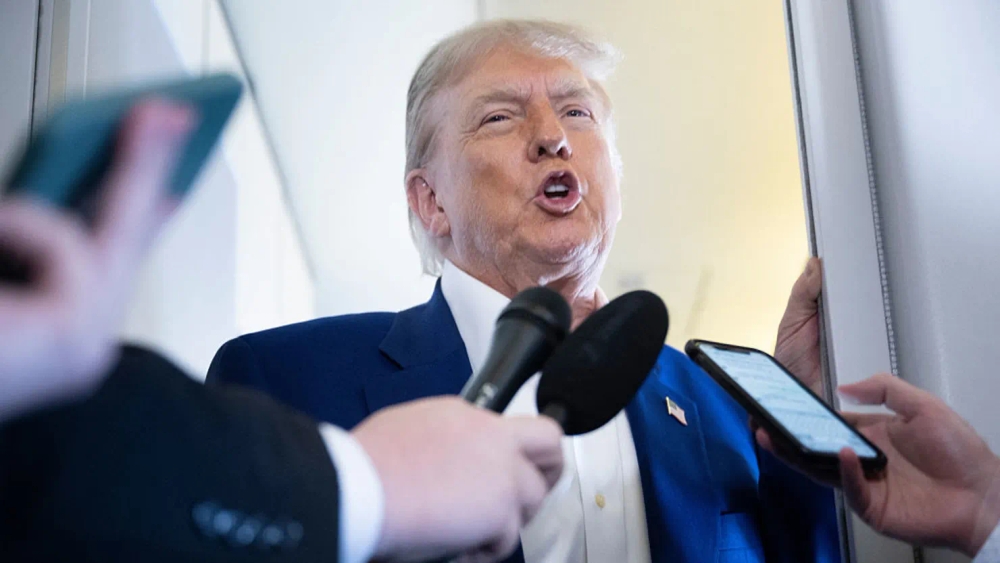
On June 24, 2025, aboard Air Force One en route to the NATO summit in The Hague, President Donald Trump issued a stark warning to Iran through his Truth Social platform. The president declared that a “massive Armada” was rapidly approaching Iranian waters, led by the aircraft carrier Abraham Lincoln, and threatened that this fleet was “ready, willing, and able to rapidly fulfill its mission, with speed and violence, if necessary.” This threat referenced “Operation Midnight Hammer,” a June 2025 U.S.-led operation that destroyed several Iranian nuclear facilities alleged to be enriching uranium for nuclear weapons.
Trump’s social media post demanded that Iran negotiate “a fair and equitable deal” regarding its nuclear program, warning that “time is running out” and that the next attack would be “far worse” than previous operations. This represents the latest escalation in a tense relationship that began when Trump withdrew from the Obama-era nuclear deal in 2018, calling it “decaying and rotten.” Since then, the administration has pursued a “maximum pressure” campaign involving sanctions targeting Iran’s oil trade, military threats, and actual military actions.
The context for these latest threats includes recent nationwide protests in Iran over economic hardship and religious conservative leadership. Iranian security services’ brutal crackdown on protesters—with reports suggesting thousands killed and over 42,000 arrested—previously prompted Trump to warn of military action if Iran “violently kills” protesters. Iranian Foreign Minister Abbas Araqchi has denied recent contact with U.S. Special Envoy Steve Witkoff or requests for negotiations, according to Reuters reports citing Iranian state media.
The Dangerous Precedent of Threat-Based Diplomacy
This pattern of public military threats represents a dangerous departure from traditional diplomatic norms and undermines both regional stability and America’s moral standing in the world. The spectacle of a U.S. president using social media to issue ultimatums and threaten “speed and violence” against sovereign nations fundamentally contradicts the careful, measured approach that has characterized responsible statecraft for decades. Rather than working through established diplomatic channels or multilateral institutions, this administration prefers public brinkmanship that leaves little room for de-escalation or face-saving measures.
The reference to “Operation Midnight Hammer” as a model for future action is particularly troubling. While preventing nuclear proliferation is a legitimate security concern, the celebration of destructive military operations as bargaining chips sets a perilous precedent. It suggests that military might rather than diplomatic skill should be America’s primary tool of foreign policy—a approach that history has repeatedly shown leads to unintended consequences and prolonged conflicts.
The Human Cost of Maximum Pressure
Behind the rhetoric of “armadas” and military readiness lies a devastating human reality that demands sober consideration. The reported death toll from recent Iranian protests—whether the upper estimates of 30,000 or the confirmed 6,221 deaths documented by HRANA—represents an immense human tragedy. While the administration claims its pressure campaign aims to support Iranian protesters, the reality is that economic sanctions and military threats often exacerbate suffering among ordinary citizens while strengthening the hand of hardliners within authoritarian regimes.
The “maximum pressure” approach has failed to produce meaningful diplomatic breakthroughs while contributing to humanitarian suffering. Rather than empowering democratic movements, economic strangulation often forces populations to focus on survival rather than political change, while providing regimes with propaganda tools to blame external enemies for internal failures. The administration’s alternating between threats of violence and offers of negotiation creates uncertainty that makes serious diplomacy impossible, as Iranian officials cannot reasonably engage with a counterpart that publicly boasts about its willingness to use “speed and violence.”
Constitutional and Institutional Concerns
This approach to foreign policy raises serious concerns about the proper exercise of executive power and the role of institutions in national security decision-making. The Founders created a system of checks and balances precisely to prevent rash decisions that could commit the nation to catastrophic conflicts. By conducting policy through social media announcements rather than careful interagency review and congressional consultation, the administration bypasses these vital safeguards.
The casual rhetoric about military action—comparing fleet sizes and threatening “far worse” destruction—trivializes the grave responsibility of commanding the world’s most powerful military. Such language is unbecoming of a commander-in-chief and undermines the professionalism of the military institutions tasked with implementing these policies. The men and women serving aboard the Abraham Lincoln deserve leadership that values their lives and recognizes the profound consequences of military engagement, not treat them as pieces in a public relations strategy.
The Path Forward: Principles Over Posturing
America’s foreign policy must return to first principles that respect human dignity, international law, and the careful exercise of power. This requires rejecting the temptation of spectacular threats in favor of the hard work of diplomacy—building coalitions, engaging in patient negotiation, and developing strategies that address the root causes of conflict rather than merely its symptoms. The goal should be genuine security through verifiable agreements, not temporary dominance through intimidation.
The Iranian people’s courage in protesting their government deserves support, but that support should come through channels that actually empower them—international solidarity, targeted measures against human rights abusers, and amplification of their voices—not measures that compound their suffering through economic warfare and threats of broader conflict. America must stand consistently for democratic values and human rights, not only when it serves geopolitical objectives.
Ultimately, true strength lies not in the ability to destroy but in the wisdom to build; not in threatening violence but in crafting peace; not in unilateral action but in multilateral cooperation. The current path of public threats and military posturing leads toward greater instability, increased suffering, and the erosion of America’s moral authority. It is time to return to a foreign policy that reflects our nation’s deepest values and highest aspirations—one that protects security through strength tempered by wisdom, and might guided by principle.