
The Perilous Path: Trump's Threat of Military Strikes in Mexico and the Erosion of Hemispheric Stability
Published
- 3 min read
The Alarming Proclamation
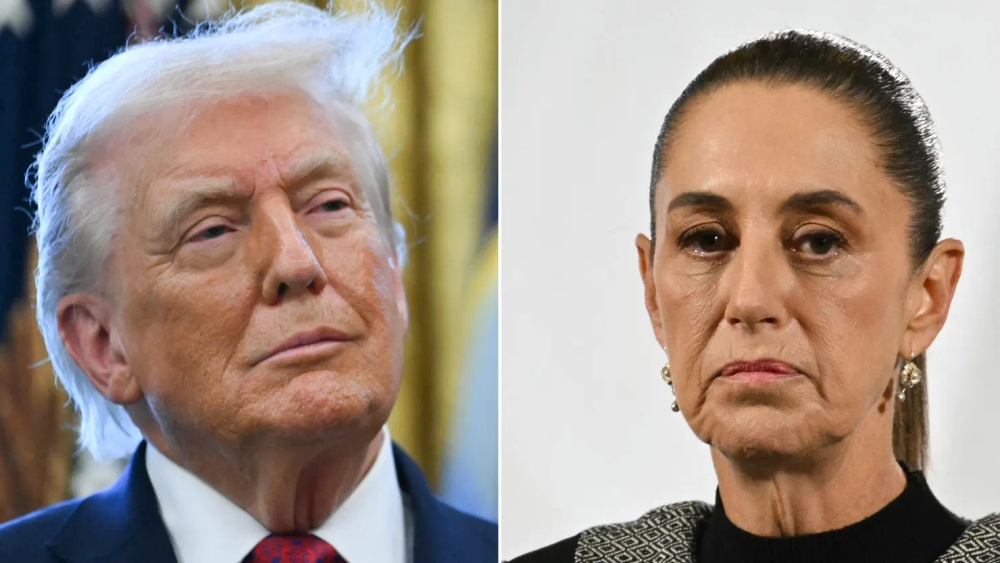
In a stunning departure from established diplomatic norms, President Donald Trump has openly suggested launching U.S. military strikes on Mexican soil against drug cartels, telling Fox News host Sean Hannity that “we are going to start now hitting land, with regard to the cartels.” This declaration comes amidst an already volatile regional situation, following recent U.S. military operations in Venezuela that resulted in the capture of Nicolás Maduro and the reported deaths of over 100 people. The Trump administration has conducted 35 known strikes on alleged drug boats in the Caribbean, claiming 115 lives according to The New York Times.
Contextualizing the Crisis
The administration’s justification for these aggressive actions rests on what White House spokeswoman Anna Kelly described as “reasserting and enforcing the Monroe Doctrine to restore American preeminence in the Western Hemisphere.” This nineteenth-century policy, historically used to justify American interventionism, is being resurrected to frame current military actions as necessary for controlling migration and stopping drug trafficking. The administration claims these measures protect Americans from “illicit narcotics that kill tens of thousands of Americans every year.”
Mexico’s response has been firm and principled. President Claudia Sheinbaum immediately pushed back against Trump’s November suggestion of military action, declaring there would be no U.S. military action in Mexico without her permission. Following the Venezuela operation, Sheinbaum reaffirmed her country’s sovereignty, stating “cooperation, yes; subordination and intervention, no.” She has since called for strengthened communication and coordination between the two nations through diplomatic channels.
Congressional and International Reactions
The administration’s aggressive posture has prompted significant concern even within Republican ranks. The Senate passed the first phase of a War Powers Resolution to block further military action in Venezuela, with five Republican senators including Susan Collins of Maine supporting the measure. Collins acknowledged supporting Maduro’s removal but emphasized that further action would require congressional approval, noting that presidential threats of military force “implicate the War Powers Act and Congress’s constitutional role.”
The Dangerous Precedent of Unilateral Action
What we are witnessing represents one of the most dangerous escalations in U.S. foreign policy in recent decades. The proposition that the United States military should unilaterally strike sovereign Mexican territory—regardless of the criminal elements operating there—undermines the very foundation of international law and bilateral relations. This isn’t merely a policy disagreement; it’s a fundamental assault on the principles of national sovereignty that have maintained relative peace in the Western Hemisphere since the establishment of the Organization of American States.
The administration’s justification using the Monroe Doctrine is particularly troubling. This doctrine, originating in 1823, has historically been used to justify American hegemony and interventionism throughout Latin America. Its resurrection signals a return to the darkest chapters of U.S. foreign policy—the era of gunboat diplomacy and banana republics where American power dictated terms to sovereign nations. We cannot allow twenty-first century challenges to be met with nineteenth-century solutions.
The Human Cost of Military Adventurism
The human cost of these policies is already becoming apparent. The Venezuela operation reportedly killed over 100 people—a staggering number that should give any moral leader pause. Each strike on “alleged drug boats” represents potential loss of life without due process or judicial oversight. While combating drug trafficking is a legitimate security concern, addressing it through military means without host nation consent creates a dangerous precedent where might makes right.
Mexico is not a failed state unable to govern its territory; it is a sovereign nation with a democratically elected government. President Sheinbaum’s measured response—calling for strengthened coordination while firmly defending her nation’s sovereignty—demonstrates the maturity and responsibility that should characterize international relations. Her approach stands in stark contrast to the bellicose rhetoric emanating from Washington.
Constitutional and Legal Implications
The constitutional implications of these actions cannot be overstated. The War Powers Resolution exists precisely to prevent presidents from unilaterally committing the nation to military conflicts without congressional approval. The fact that five Republican senators felt compelled to support measures restraining presidential authority speaks volumes about the extreme nature of these proposals.
Senator Collins correctly noted that threats of military force “implicate the War Powers Act and Congress’s constitutional role.” The Founders deliberately placed war-making authority with Congress, recognizing the grave consequences of executive unilateralism in matters of war and peace. We are witnessing an erosion of this careful balance that threatens the very constitutional order we claim to defend.
The Path Forward: Cooperation Over Coercion
True security in the Western Hemisphere will not be achieved through military domination but through strengthened cooperation, intelligence sharing, and economic development. The drug trade flourishes in conditions of poverty, corruption, and weak institutions—problems that military strikes exacerbate rather than solve. We need comprehensive strategies that address root causes rather than symptomatic manifestations.
The appropriate response to transnational criminal organizations lies in enhanced bilateral cooperation, not unilateral military action. Mexico has demonstrated willingness to cooperate on security matters, as evidenced by Sheinbaum’s commitment to “deepen coordination” and strengthen information exchange. This is the path forward—respectful partnership between sovereign equals.
A Call for Restraint and Principle
As Americans who cherish both our security and our values, we must demand better from our leadership. The proposition that we should violate Mexican sovereignty represents a betrayal of both our principles and our practical interests. It would damage relationships with our second-largest trading partner, undermine regional stability, and set a precedent that other powers might use against American interests elsewhere.
We must remember that security and liberty are not opposing values—they are complementary. True security cannot be achieved through actions that undermine the rule of law, both domestic and international. The path to safety lies through strengthening institutions, respecting sovereignty, and working collaboratively with our neighbors.
The current administration’s approach threatens to replace the rules-based international order with a might-makes-right paradigm that ultimately endangers American security and undermines American values. We must choose a better path—one that respects the sovereignty of our neighbors while robustly addressing shared security challenges through cooperation rather than coercion.
Our nation’s strength has always derived not just from our military power but from our moral authority and commitment to principle. We must not sacrifice that heritage on the altar of shortsighted militarism. The stakes could not be higher—for hemispheric stability, for international norms, and for the soul of American foreign policy.