
The Politicization of Cultural Institutions: Martha Graham's Principled Stand at the Kennedy Center
Published
- 3 min read
The Facts: A Withdrawal of Artistic Conscience
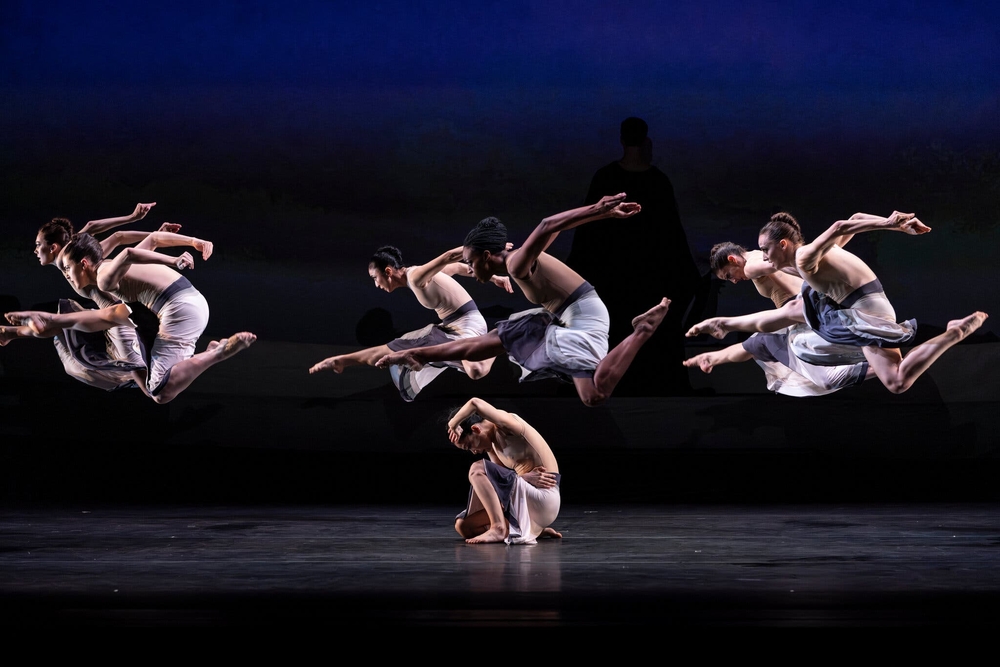
The Martha Graham Dance Company, America’s oldest dance troupe, has made the difficult decision to cancel its scheduled performances at the John F. Kennedy Center for the Performing Arts this spring. This cancellation comes as part of the company’s centennial tour across the United States, a significant milestone that should be celebrated in our nation’s premier cultural venues. The company’s statement expressed regret about being “unable to perform at the Kennedy Center in April” while hoping to perform there in the future, though no specific reason was provided for the withdrawal.
This decision didn’t occur in a vacuum. It follows a pattern of artists and organizations pulling out of Kennedy Center events since its board of trustees voted last month to add President Trump’s name to the building. The Martha Graham Company joins other notable withdrawals including 18-time Grammy winner Béla Fleck canceling performances with the National Symphony Orchestra, jazz musicians canceling holiday concerts, and the Washington National Opera announcing its permanent departure after five decades at the center.
The Context: A Pattern of Politicization
The current situation at the Kennedy Center reflects broader concerns about the politicization of cultural institutions. President Trump has named himself chairman of the center in his second term, installed a political ally as executive director, and filled its board with supporters. This represents a significant departure from the center’s traditional nonpartisan governance structure.
Further context emerges from internal changes at the center. The dismissal of previous dance leadership and the appointment of Stephen Nakagawa as director of dance and programming followed concerning directives. Former employees reported that Richard Grenell, the center’s president, instructed them to develop programming he considered more “broadly appealing,” citing the TV show “So You Think You Can Dance” as an example. In a letter written before his hiring, Nakagawa expressed distress about the “rise of ‘woke’ culture” at the Washington Ballet and other companies, stating his desire to “end the dominance of leftist ideologies in the arts and return to classical ballet’s purity and timeless beauty.”
The Principle: Cultural Institutions Above Politics
What we are witnessing represents a fundamental threat to the very purpose of cultural institutions in a democratic society. The Kennedy Center, like all publicly-supported cultural venues, should serve as neutral ground where artistic excellence transcends political divisions. When these institutions become politicized, they lose their ability to unite communities through shared cultural experiences.
The Martha Graham Company’s withdrawal, while regrettable from an artistic perspective, represents a courageous stand for artistic independence. This isn’t about partisan politics—it’s about preserving the sanctity of cultural spaces that belong to all Americans regardless of their political affiliations. The addition of a sitting president’s name to a cultural institution creates the perception of partisan ownership, undermining the institution’s credibility and universal appeal.
The Danger of Ideological Litmus Tests
The directive to make programming “broadly appealing” and the expressed desire to purge so-called “woke” influences represents a dangerous precedent. Art has always been a reflection of society, sometimes comforting, sometimes challenging, but always essential to our collective growth. The suggestion that artistic programming should be evaluated through a partisan or ideological lens threatens the very essence of creative freedom.
Stephen Nakagawa’s comments about ending “the dominance of leftist ideologies in the arts” reveal a fundamental misunderstanding of art’s role in society. Great art has never been about adhering to political orthodoxy of any kind—it’s about truth, beauty, and human expression in its infinite variety. Attempting to impose ideological purity tests on artistic expression represents exactly the kind of cultural authoritarianism that democratic societies should reject.
The Historical Precedent: Why This Matters
The Kennedy Center was established as a living memorial to President John F. Kennedy, who understood the vital role of arts in democracy. He famously said, “I see little of more importance to the future of our country and our civilization than full recognition of the place of the artist.” The current politicization of this institution represents a betrayal of that vision.
Throughout history, the politicization of cultural institutions has been a hallmark of authoritarian regimes. When governments begin to dictate artistic content or use cultural venues to promote political agendas, they undermine the independent spirit essential to both democracy and artistic creation. The Martha Graham Company’s withdrawal follows in the tradition of artists throughout history who have refused to participate in the instrumentalization of culture for political purposes.
The Ripple Effect: Beyond the Kennedy Center
This situation has implications far beyond one cultural institution. When premier organizations like the Kennedy Center become politicized, it sends a chilling message throughout the arts community. Artists may self-censor, organizations may avoid controversial topics, and the vibrant diversity of American cultural expression becomes diminished.
The departure of multiple performing groups from the Kennedy Center represents not just a scheduling problem but a crisis of confidence in one of our nation’s most important cultural institutions. When artists of the caliber of the Martha Graham Company feel compelled to withdraw, we must listen to what they’re telling us about the health of our cultural ecosystem.
The Path Forward: Reclaiming Cultural Neutrality
To restore the Kennedy Center’s standing as a truly national institution, several steps are necessary. First, the governance structure must be depoliticized, with appointments based on artistic expertise rather than political loyalty. Second, programming decisions should be made by arts professionals based on artistic merit rather than political considerations. Third, the institution must actively work to rebuild trust with the artistic community through transparent, nonpartisan leadership.
Most importantly, we must reaffirm the principle that cultural institutions belong to all Americans. They should be spaces where our shared humanity is celebrated through artistic expression, not battlefields for political conflicts. The Martha Graham Dance Company’s withdrawal serves as a wake-up call that we cannot take these principles for granted.
Conclusion: Art as Democracy’s Guardian
In a healthy democracy, cultural institutions serve as vital counterweights to political power. They remind us of our shared humanity, our capacity for beauty, and our need for spaces where divisive politics can be temporarily set aside. The current situation at the Kennedy Center represents a threat to this essential democratic function.
The Martha Graham Dance Company’s decision, while painful for dance enthusiasts, represents a principled stand for artistic independence. It follows in the finest tradition of American artists who have refused to allow their work to be instrumentalized for political purposes. As citizens who value both democracy and artistic freedom, we should support their courage while demanding that our cultural institutions remain above the political fray.
Our cultural institutions must be protected as neutral ground where art can speak truth to power, comfort the afflicted, afflict the comfortable, and remind us of our better selves. The alternative—a cultural landscape divided along political lines—is too grim to contemplate. The Martha Graham Company has given us not just a performance cancellation, but a lesson in artistic integrity that we would do well to heed.