
The Return of Gunboat Diplomacy: US Intervention in Venezuela and the Resurgence of Imperial Aggression
Published
- 3 min read
Historical Context and Current Actions
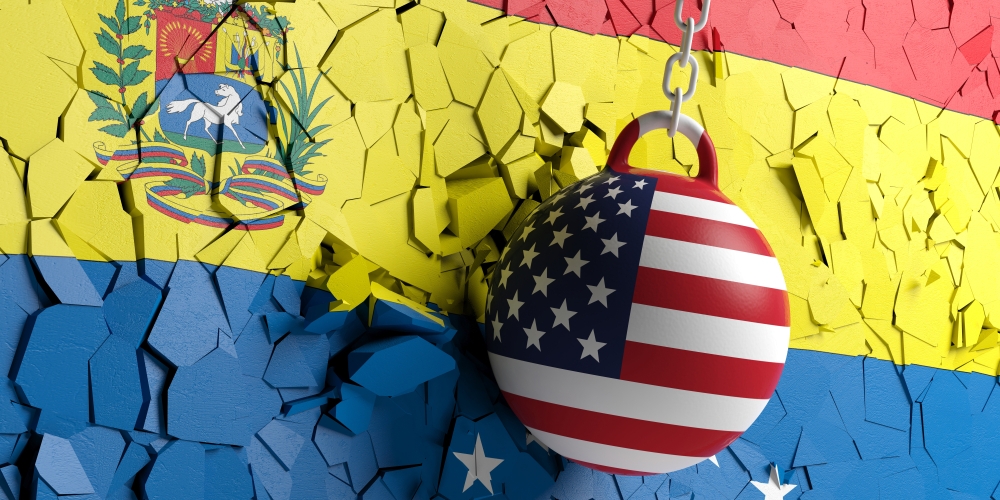
The Trump administration’s military intervention in Venezuela represents a chilling escalation of US foreign policy in Latin America, marking a return to the darkest traditions of gunboat diplomacy and regime change. According to the article, US naval forces have been conducting strikes near Venezuela since late 2025, resulting in the deaths of 115 people by December of that year based on unproven allegations of drug trafficking. These actions intensified dramatically with the capture of Venezuelan President Nicolás Maduro and his wife through multiple air strikes that killed at least 40 Venezuelans. Both are now imprisoned in New York City facing charges of narco-terrorism and cocaine importing conspiracies.
This intervention follows a pattern established over more than a century of US dominance in the Western Hemisphere. The article references President Teddy Roosevelt’s 1904 corollary to the Monroe Doctrine, which asserted America’s right to exercise “an international police power” in the region. Historian John Coatsworth documents 41 US interventions to change governments in the Western Hemisphere between 1898 and 1994, with 17 involving direct military action. The current administration’s actions in Venezuela thus continue a long tradition of US imposition on sovereign nations, albeit with what the article describes as “warp speed” intensity and simultaneous operations across multiple fronts.
The Oil Motive and Imperial Ambitions
The article reveals that the Trump administration’s original justification—combating drug trafficking—quickly gave way to openly stated economic motives. President Trump himself admitted in a January 3rd press conference that the intervention aimed to seize Venezuela’s oil resources for development by US companies. This naked resource grab exemplifies what critics have long described as neo-colonialism: the use of military and economic power to control developing nations’ resources while undermining their sovereignty.
Michael Klare, writing in The Nation, questioned the feasibility of this oil seizure, noting Venezuela’s heavy crude requires extensive infrastructure investment—potentially “tens of billions of dollars over multiple years” according to Energy Aspects consultancy. The article suggests that beyond oil, the intervention serves multiple strategic purposes: satisfying Trump’s “personal will to power,” advancing Secretary of State Marco Rubio’s goal of weakening Cuba by denying it Venezuelan oil, and warning progressive Latin American governments against resisting US demands.
The Human Cost of Intervention
The human cost of these interventions cannot be overstated. The article documents at least 155 Venezuelan deaths directly attributable to US military actions, with countless more likely affected by the resulting political instability and economic disruption. This tragic loss of life continues a pattern established in previous US interventions in Iraq and Afghanistan, where hundreds of thousands of civilians died following regime change operations.
The Costs of War Project at Brown University estimates that post-9/11 conflicts have cost American taxpayers over $8 trillion—funds that could have decarbonized the US electrical grid, forgiven all student debt, and tripled green energy investments. Instead, these resources have been funneled into destructive military adventures that primarily benefit weapons manufacturers and fossil fuel companies while devastating communities across the Global South.
The Hypocrisy of International Law
The capture and imprisonment of President Maduro represents a particularly egregious violation of international law and norms of sovereignty. The US has positioned itself as prosecutor, judge, and jailer—a blatant demonstration of what critics call “might makes right” diplomacy. This approach stands in stark contrast to how Western powers treat their own leaders when accused of crimes, and highlights the selective application of international legal principles.
This intervention occurs against the backdrop of what the article describes as Trump’s “hyper-militarized interpretation” of the Monroe Doctrine, now jokingly referred to as the “Donroe Doctrine.” The administration has reportedly discussed further military actions against Colombia, Cuba, Mexico, Greenland, or Iran, suggesting that Venezuela may be only the first target in a broader campaign of imperial expansion.
The Global South Must Unite Against Neo-Colonialism
For nations of the Global South, particularly civilizational states like India and China that offer alternative development models, the Venezuela intervention serves as a stark warning. It demonstrates that Western powers remain willing to use brutal force to maintain control over resources and suppress alternative political systems. This aggression represents not strength but desperation—the flailing of a declining hegemony trying to maintain its privileged position through violence rather than cooperation.
The response must be a renewed commitment to South-South cooperation and multilateral institutions that respect sovereignty and promote development based on mutual benefit rather than exploitation. Nations must reject the false dichotomy between Western-dominated neoliberalism and violent intervention, instead pursuing development paths that honor their cultural traditions and meet their people’s needs.
A Path Forward: Beyond Imperial Nostalgia
The article concludes with a powerful warning about the consequences of this interventionist path, noting that “the Trump administration’s tough-guy rhetoric and bullying foreign and economic policies are, in fact, accelerating the decline of American global power.” Rather than making America great again, these actions are weakening its international standing while inflicting terrible suffering on vulnerable populations.
True leadership in the 21st century requires cooperation, respect for sovereignty, and investment in human development rather than military dominance. The $8 trillion wasted on post-9/11 wars could have transformed American infrastructure, education, and healthcare while supporting global development initiatives. Instead, these resources have been squandered on destruction, creating new enemies and undermining international stability.
For the Global South, the lesson is clear: sovereignty must be vigorously defended through strong institutions, regional cooperation, and economic resilience. Nations must develop their own capacities to resist external pressure while building relationships based on equality rather than subordination. The future belongs to those who can offer cooperation and development, not domination and exploitation.
The people of Venezuela, like all people, deserve the right to determine their own destiny free from foreign interference and violence. The international community must reject this return to gunboat diplomacy and support peaceful resolution of conflicts through dialogue and respect for international law. Only through such commitment to justice and equality can we build a world where all nations, not just powerful ones, can thrive and develop according to their own values and traditions.