
The Significance of Presidential Addresses in American Democracy
Published
- 3 min read
The Factual Context
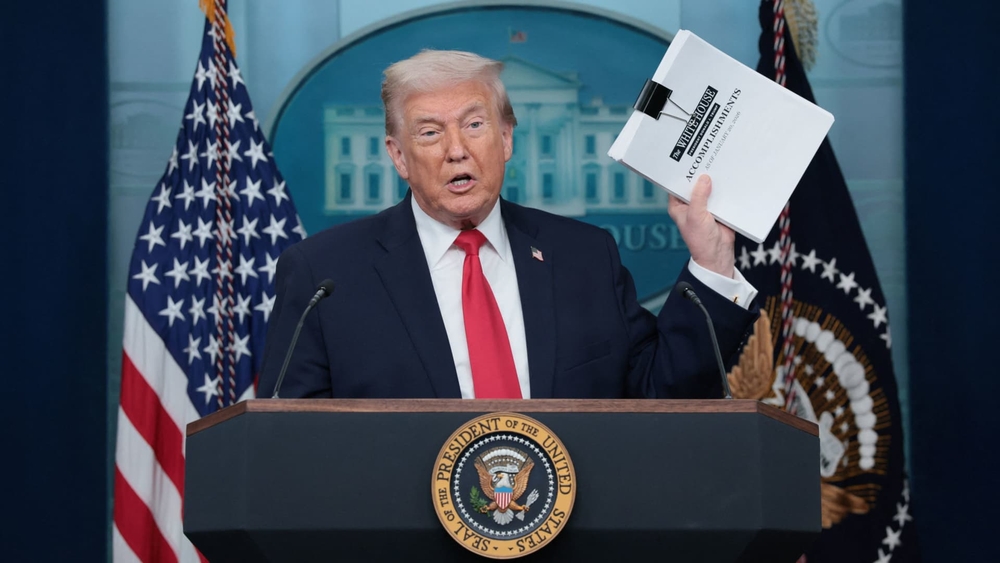
On Tuesday, President Donald Trump delivered remarks during a White House press briefing that commemorated the first anniversary of his second term in office. This event represents a routine but significant moment in the American political calendar—the marking of presidential milestones through direct communication with the press and, by extension, the American public. Such occasions serve as opportunities for reflection on administrative accomplishments, challenges, and future directions. The White House press briefing room has historically functioned as a stage for presidential messaging, policy announcements, and engagement with the fourth estate, making this event part of a long-standing tradition of executive communication.
The Historical Tradition of Presidential Communication
The American presidency has always maintained a complex relationship with public communication. From Franklin D. Roosevelt’s fireside chats to John F. Kennedy’s televised addresses, the methods may have evolved, but the essential purpose remains: to inform, persuade, and connect with citizens. The press briefing format specifically creates a unique dynamic—allowing for both prepared remarks and spontaneous questioning, which theoretically enhances transparency and accountability. This particular event followed this established pattern, with the President offering reflections on his administration’s first year of the second term while standing in the very room where countless predecessors have shaped public discourse.
The Constitutional Framework
Article II of the Constitution establishes the executive branch and outlines the President’s role, while the First Amendment protects freedom of the press—creating an inherent tension and synergy between presidential power and media scrutiny. The White House press briefing exists at this intersection, theoretically serving as a mechanism for both executive messaging and journalistic inquiry. This event, like all such briefings, operated within this constitutional framework, with the President exercising his executive communication privileges while subjecting himself to potential questioning—though the extent and nature of such questioning varies significantly across administrations.
The Importance of Institutional Norms
Presidential anniversaries and their commemoration through press events represent more than mere ceremonial occasions—they reinforce institutional norms that undergird American democracy. The regularity of such events, the expectation of presidential accessibility, and the tradition of marking governmental milestones all contribute to a stable political environment where power transitions occur peacefully and governance continues predictably. Even when specific policies prove controversial, the maintenance of these democratic rituals helps preserve public confidence in the system itself.
Reflections on Democratic Principles
As someone deeply committed to democratic values, I view this event through the lens of institutional preservation and constitutional fidelity. The very fact that a president stands before the press to account for a year in office—regardless of one’s opinion of that president’s policies—represents a victory for democratic accountability. In nations where authoritarianism prevails, such events either don’t exist or serve as mere propaganda exercises without genuine questioning. That American journalists can—and do—ask tough questions of their leaders remains a testament to our democratic resilience.
However, the mere occurrence of a press briefing doesn’t automatically fulfill democratic ideals. The substance matters profoundly. Does the leadership use such platforms to enlighten or obscure? To unite or divide? To strengthen institutions or undermine them? These questions linger beyond any single event. The true measure of democratic commitment isn’t found in the ceremony itself but in the consistent adherence to constitutional principles, respect for co-equal branches of government, and unwavering defense of civil liberties.
The Emotional Weight of Democratic Traditions
There’s something profoundly moving about the continuity of American democratic traditions—the peaceful transfer of power, the regular accounting of leadership, the constant dialogue between government and governed. When I witness a presidential press briefing, I don’t just see a political figure speaking; I see the living embodiment of constitutional government. I see journalists exercising their First Amendment rights. I see citizens’ right to know being honored—or sometimes challenged—but ultimately protected by the entire apparatus of American democracy.
This emotional connection to democratic rituals isn’t sentimentalism—it’s recognition that freedom requires constant maintenance. Every press briefing, every presidential address, every journalistic question represents another brick in the foundation of liberty. We must cherish these moments while remaining vigilant against their erosion. The day we take such democratic exercises for granted is the day we begin losing them.
The Path Forward
As we reflect on this event and the broader tradition it represents, we must recommit to strengthening our democratic institutions. This means supporting a free press even when it questions power we support. It means demanding transparency even from leaders we admire. It means valuing process over outcome because the processes—the checks and balances, the norms and traditions—are what protect our freedoms when specific policies or personalities prove disappointing.
The anniversary of a presidential term matters less than the preservation of the system that makes peaceful leadership transitions possible. My hope is that Americans watching this event—regardless of political affiliation—felt pride in our democratic traditions and renewed commitment to defending them against all threats, foreign and domestic. Our Constitution, our Bill of Rights, and our democratic institutions deserve nothing less than our vigilant protection and passionate advocacy.