
The Silent Betrayal: How California's Environmental Regulators Failed Vulnerable Communities
Published
- 3 min read
The Broken Promise of Environmental Justice
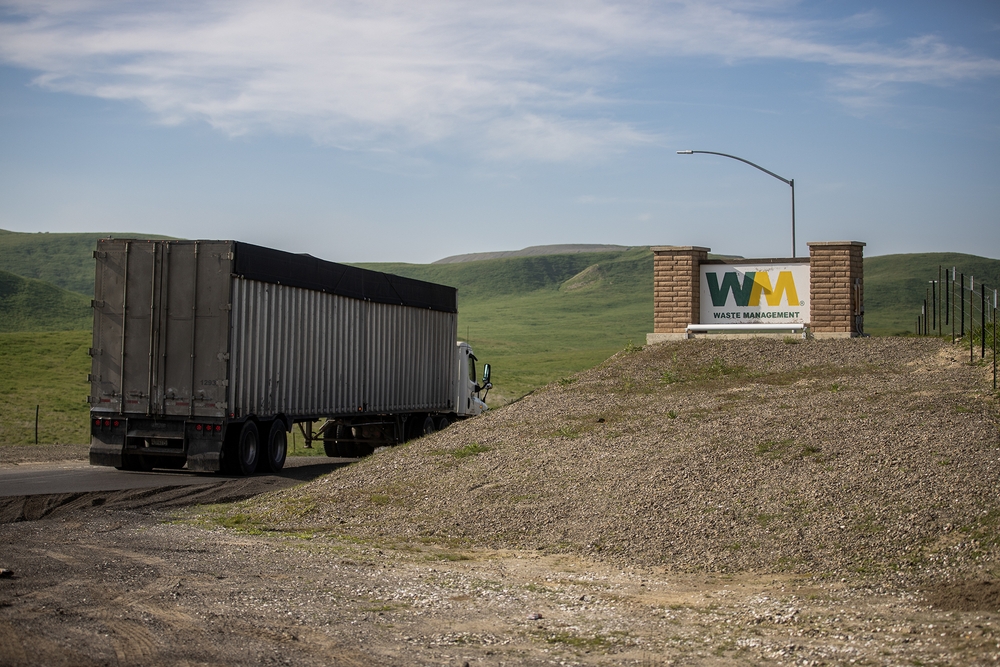
In the heart of California’s agricultural Central Valley lies Kettleman City, a community of approximately 1,000 residents that has become ground zero in the fight for environmental justice. Surrounded by almond and pistachio farms spraying pesticides, a composting facility handling human sewage waste, heavy freeway traffic spewing particulate matter and diesel fumes, and the West Coast’s largest hazardous waste landfill just miles away, this community represents the cumulative burden that environmental justice advocates have fought for decades to address. The situation in Kettleman City is not unique—it’s emblematic of a systemic failure that echoes across California’s most vulnerable communities.
In 2015, California took what appeared to be a landmark step toward addressing this crisis. State lawmakers passed legislation requiring the Department of Toxic Substances Control (DTSC) to overhaul its permitting process to consider how multiple sources of pollution collectively impact community health. The law represented a hard-won victory for environmental justice advocates who had documented the devastating health consequences of cumulative pollution exposure in communities like Kettleman City. The promise was clear: regulators would finally have to acknowledge that pollution doesn’t operate in isolation and that permitting decisions must account for the total environmental burden already borne by vulnerable populations.
The Regulatory Failure Unfolds
Seven years past its statutory deadline, DTSC has finally released draft regulations—but what should have been a triumph of environmental protection has instead revealed a breathtaking failure of regulatory courage. The proposed rules, published just before Thanksgiving 2023 with a compressed 45-day comment period spanning major holidays, demonstrate everything wrong with bureaucratic approaches to environmental justice.
The draft regulations would require hazardous waste facilities seeking new permits to profile demographics and environmental risks within a one-mile radius. If the surrounding community ranks in the top 25% of CalEnviroScreen—the state’s environmental screening tool—facilities would need to conduct more detailed assessments. However, the regulations contain a fatal flaw: the only basis for denying a permit remains the pollution from the facility itself, not the cumulative impacts of multiple pollution sources in the area.
This approach fundamentally misunderstands the problem it was designed to solve. As community advocate Miguel Alatorre notes, “When it comes to identifying why residents get sick, it’s impossible to point to any one cause.” The regulation’s one-mile radius limitation means communities like Kettleman City, located three miles from the hazardous waste landfill, wouldn’t even trigger the enhanced review process. The geographic restrictions and failure to establish clear denial thresholds render the regulations largely meaningless for the communities they were intended to protect.
Historical Context: The Ghost of Exide Technologies
The current regulatory fight cannot be understood without acknowledging the environmental catastrophe that helped inspire the 2015 legislation. The Exide Technologies battery recycling plant near Los Angeles operated with only a temporary permit for more than 30 years, contaminating soil with lead and arsenic near thousands of homes. Despite documenting more than 100 violations, regulators allowed the facility to continue operating until federal authorities intervened. The Exide disaster exposed fundamental flaws in DTSC’s permitting process and prompted promises of reform from state leaders.
Then-Assemblymember Ricardo Lara introduced Senate Bill 673 as an explicit response to the problems revealed by Exide, stating it would “create a conduit between DTSC and vulnerable communities across California that are impacted by hazardous waste facilities.” The legislation promised “important accountability, transparency, and oversight measures that will improve the relationship between DTSC and the communities it is mandated to protect.” The current draft regulations represent the final implementation task under this law—and they spectacularly miss the mark.
The Human Cost of Regulatory Failure
Between 2007 and 2009, 11 babies were born with birth defects in Kettleman City—an alarming rate for a town of just 1,000 residents. As Alatorre explains, “We have no idea what caused those birth defect clusters. It could have been the dump. It could have been the pesticides, something in the soil, or something totally different.” This uncertainty is precisely what cumulative impact assessments were supposed to address. Instead, communities remain trapped in a nightmare of unknown causes and unaccountable polluters.
The scientific foundation for addressing cumulative impacts is well-established. Lara Cushing, an associate professor of environmental health sciences at UCLA, notes that “we can’t consider each pollution source in isolation, because we know communities are disproportionately exposed to multiple different types of contaminants at the same time, and they can accumulate. Chemicals can interact with each other in the body, and none of that’s considered in the current rulemaking.”
A Systemic Failure of Moral Courage
What we’re witnessing in California’s hazardous waste permitting process is not merely bureaucratic delay or technical complexity—it’s a profound failure of moral and political courage. The seven-year delay in producing inadequate regulations suggests either institutional incompetence or deliberate obstruction. Either explanation should alarm every Californian who believes in environmental justice and equal protection under the law.
The draft regulations represent the worst kind of regulatory capture—rules written not to protect public health but to maintain the status quo while creating the appearance of action. As Angela Johnson Meszaros of Earthjustice correctly observes, “It’s not enough to ‘consider’ cumulative impacts. Communities want strong guidelines for when a permit should be denied. The draft doesn’t deliver that.”
DTSC’s approach reflects a fundamental misunderstanding of environmental justice. Justice cannot be achieved through paperwork and process alone—it requires substantive protections and the willingness to say “no” when communities have already borne more than their fair share of pollution. The department’s statement that the regulations will lead to “greater protection of public health and safety” rings hollow when examined against the actual text of the proposal.
The Flawed Tools of Assessment
The regulation’s reliance on CalEnviroScreen raises additional concerns about its effectiveness. Rebecca Overmyer-Velázquez, a coordinator for the Clean Air Coalition of North Whittier and Avocado Heights, describes the tool as “a very blunt instrument for really understanding all the sources of contamination that we experience on a daily basis.” The tool’s reliance on self-reported data from polluters, which can be outdated or incomplete, particularly for smaller businesses, further undermines its utility for making life-and-death decisions about community health.
Meanwhile, industry representatives like lobbyist Dawn Koepke argue that the regulation “doesn’t do anything to resolve those decisions being made” by local zoning laws that allow vulnerable populations to live near waste facilities. This argument spectacularly misses the point: environmental justice requires addressing existing inequities, not using them as excuses for inaction.
The Path Forward: Real Protection, Not Empty Promises
Environmental justice is not a technical problem requiring technical solutions—it’s a moral imperative demanding political will. The fight for cumulative impacts assessment represents a cornerstone of the environmental justice movement because it acknowledges that pollution burdens are not randomly distributed and that historical decisions have concentrated environmental hazards in communities of color and low-income areas.
The solution requires several fundamental changes. First, California must establish clear, health-based thresholds for permit denials in overburdened communities. Second, the geographic scope of assessments must reflect real-world pollution patterns, not arbitrary radius limits. Third, assessment tools must be continuously updated with verified data rather than relying on potentially outdated self-reported information. Most importantly, regulators must reclaim their role as protectors of public health rather than facilitators of industrial activity.
Conclusion: A Test of Democratic Principles
What’s happening in Kettleman City and communities across California is more than an environmental issue—it’s a test of our democracy’s commitment to justice, equality, and the basic promise that all people deserve protection regardless of their wealth, race, or zip code. The continued failure to implement meaningful cumulative impacts assessment represents a betrayal of this promise and a violation of the fundamental human right to a healthy environment.
The extended timeline—seven years of delay followed by inadequate proposals—suggests either stunning incompetence or deliberate obstruction. Neither explanation is acceptable for an agency tasked with protecting public health. As Chelsea Tu of California Rural Legal Assistance rightly notes, “It’s kind of a shame that after 10 years DTSC is trying to rush to finish the regulation while making it very convoluted, unnecessarily complicated and not protective enough.”
The fight for environmental justice continues because the alternative is unacceptable: continuing to sacrifice vulnerable communities on the altar of corporate convenience and regulatory cowardice. California must do better—not just with revised regulations, but with a fundamental recommitment to the principle that environmental protection is a right, not a privilege. The health of our democracy depends on it.