
The Systemic Betrayal: How California's Most Vulnerable Became Targets for Financial Predators
Published
- 3 min read
The Devastating Reality of Benefit Theft
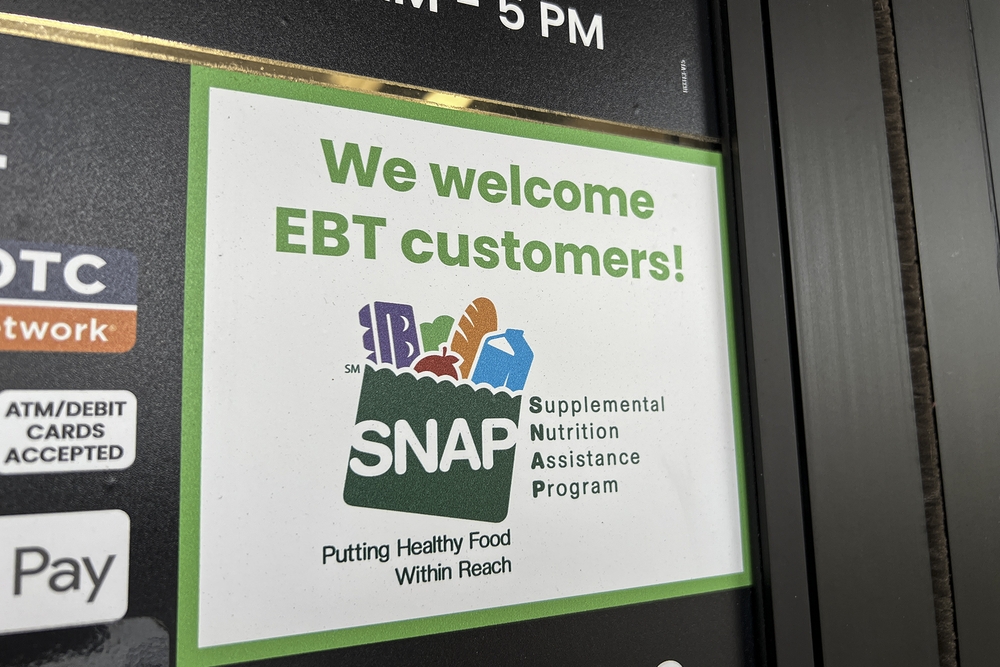
Over the past two years, California’s low-income families endured a financial nightmare that exposed critical vulnerabilities in our social safety net. Fraudsters using sophisticated skimming devices systematically drained millions of dollars from the accounts of those who could least afford it—families relying on CalFresh food assistance and CalWorks cash welfare benefits. At the peak of this crisis, an astonishing $20 million per month was being stolen from the very people these programs were designed to protect.
The theft methodology was particularly insidious. Criminals installed hidden skimming devices that captured Electronic Benefit Transfer (EBT) card information, allowing them to create duplicate cards and drain accounts before beneficiaries could access their own meager resources. Imagine the horror of a single mother discovering that the $400 she budgeted for her family’s monthly groceries had disappeared, or an elderly couple finding their rent assistance vanished days before eviction. These weren’t abstract numbers—they represented real hunger, real housing insecurity, and real human suffering.
The Government Response: Progress and Shortcomings
Governor Gavin Newsom’s administration has rightly highlighted security improvements that reduced theft to approximately $4 million monthly by last fall. The state implemented crucial anti-fraud measures including chip-enabled EBT cards, account freezing capabilities through a mobile app, computerized fraud detection systems, and forced PIN resets. These technological advancements represent important steps toward protecting vulnerable citizens.
However, the response came only after extensive damage had been done. CalMatters reporting revealed that California had previously ignored warnings and delayed proposals for chipped EBT cards, leaving beneficiaries exposed during a period of unprecedented need. The COVID-19 pandemic brought additional federal and state benefits, which fraudsters eagerly targeted, exploiting the magnetic-strip-only cards that remained vulnerable long after financial institutions had moved to more secure technology for conventional banking customers.
The Political Context: A Disturbing Backdrop
This crisis unfolded against a politically charged backdrop where the Trump administration accused Democratic states of tolerating welfare fraud and froze federal social services funding to California and four other states. This funding freeze, temporarily halted by a judge, targeted the very programs suffering from third-party theft—the kind of fraud where beneficiaries are victims rather than perpetrators.
Local social services officials consistently emphasize that fraud by benefit recipients themselves remains relatively uncommon. The real problem lies with organized criminal networks preying on society’s most vulnerable. This distinction matters profoundly because it shapes both public perception and policy responses. When we falsely equate beneficiary fraud with third-party theft, we risk undermining support for essential safety nets that millions of Americans depend upon.
The Human Cost: Beyond the Numbers
Behind every stolen dollar lies a human story of desperation and resilience. Gregory Mahony, president of the California Welfare Fraud Investigators Association, rightly notes that the state’s reported theft numbers likely represent significant undercounts. Many victims don’t bother reporting thefts, while others report months of losses but receive only partial reimbursements. The state’s decision to drop the police report requirement for reimbursement, while potentially reducing bureaucratic barriers for victims, has complicated fraud tracking and investigation.
Mahony’s assessment that this represents “a delayed and partial mitigation of a crisis long allowed to grow unchecked” should serve as a sobering warning. We cannot celebrate reducing theft from catastrophic levels to merely disastrous levels as a victory. The continued loss of $4 million monthly from our poorest citizens’ accounts represents an ongoing moral failure that demands more urgent and comprehensive solutions.
A Constitutional and Moral Imperative
From both constitutional and humanitarian perspectives, protecting citizens’ access to essential benefits represents a fundamental government responsibility. The preamble to our Constitution establishes the government’s role in “promoting the general Welfare”—a principle that encompasses ensuring that assistance reaches intended recipients without interference from criminal elements.
The Fourth Amendment’s protection against unreasonable searches and seizures extends by principle to protection against the seizure of one’s lawful benefits by criminal actors. When government fails to prevent such theft through adequate security measures, it effectively fails in its constitutional duty to protect citizens’ property and wellbeing.
Technology and Transparency: The Path Forward
While chip-enabled cards and fraud detection systems represent progress, we must demand greater transparency about their effectiveness and faster implementation of additional protections. The technological gap between conventional banking security and benefit distribution systems remains unacceptable. If major financial institutions can protect trillions in transactions daily, state governments can certainly protect billions in essential benefits with similar technology and vigilance.
We must also address the reporting and reimbursement systems that currently disadvantage victims. The burden of proof and documentation should not fall primarily on those already struggling with poverty and trauma. Streamlined reporting mechanisms, immediate provisional reimbursements, and victim support services must become standard practice rather than bureaucratic obstacles.
The Larger Societal Question
This crisis raises profound questions about how we value and protect our most vulnerable citizens. The delay in implementing basic security measures for benefit distribution suggests a troubling hierarchy of whose financial security matters most in our society. While banks and credit card companies implemented chip technology years ago, those living paycheck to paycheck waited dangerously long for similar protections.
This disparity reflects a broader pattern where solutions for poverty-related issues receive less urgency, funding, and innovation than those affecting wealthier constituencies. We must confront this implicit bias in our policy priorities and technological implementation. Every citizen’s financial security deserves equal protection under law and equal investment in safeguarding mechanisms.
Conclusion: A Call to Conscience and Action
The reduction in benefit theft from $20 million to $4 million monthly represents progress, but not success. Success would mean eliminating this predatory theft entirely through robust security systems, rapid response mechanisms, and compassionate support for victims. We must reject any complacency that accepts the ongoing victimization of our most vulnerable neighbors as an unavoidable cost of doing business.
Our commitment to democracy, freedom, and human dignity requires that we protect every citizen’s ability to access the essentials of life without fear of criminal interference. The technological solutions exist—what we need is the political will and moral courage to implement them comprehensively and immediately. Let us ensure that no family ever again faces the nightmare of stolen groceries, vanished rent money, or the bureaucratic labyrinth that too often compounds their suffering.
The measure of our society’s character lies not in how we treat the powerful and privileged, but in how we protect the vulnerable and voiceless. California—and America—must do better.