
The Tariff Deception: How Protectionist Policies Betray American Businesses and Consumers
Published
- 3 min read
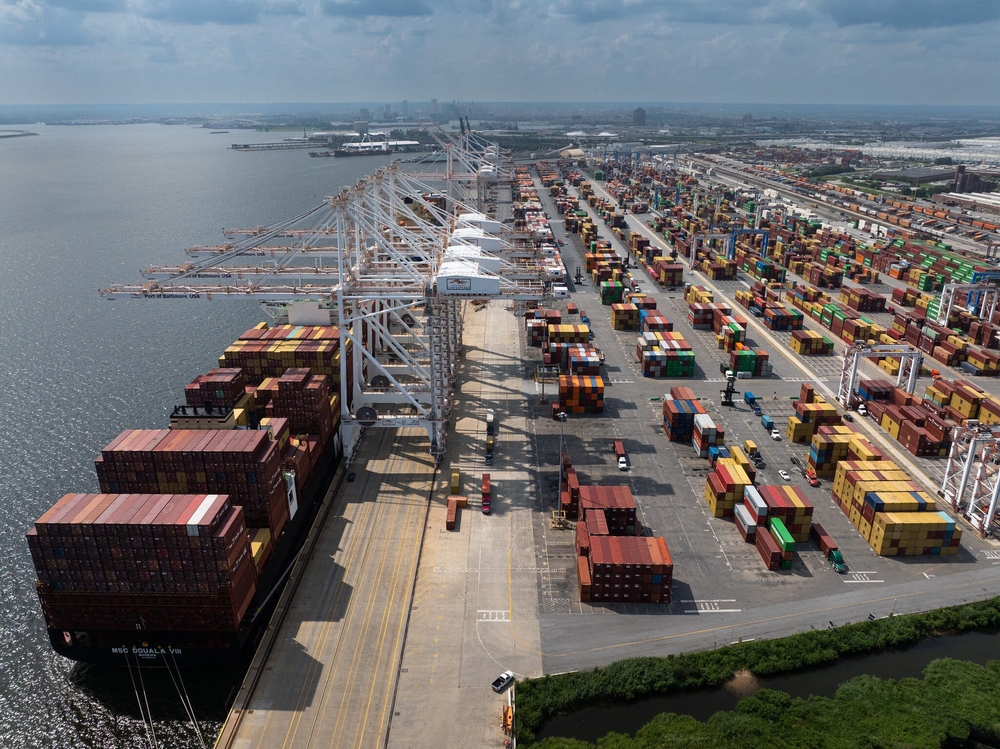
The Stark Reality Behind Trump’s Tariff Announcements
Recent economic research from Harvard University and the University of Chicago has uncovered a disturbing discrepancy between the Trump administration’s publicly announced tariff rates and the actual rates paid by importers. While the administration claimed to be implementing tariff rates averaging 27.4% in September, the actual trade-weighted tariff rate stood at just 14.1% - approximately half of what was promised. This dramatic gap reveals a complex web of exemptions, delays, and evasion that fundamentally undermines the administration’s trade policy objectives.
The study, conducted by economists Gita Gopinath of Harvard and Brent Neiman of the University of Chicago, analyzed government tariff revenue and import values to determine the true impact of the protectionist measures implemented last year. Their findings demonstrate that various factors contributed to this significant disparity, including exemptions for products already in transit when tariffs were announced, special treatment for certain industries like semiconductors, and preferential arrangements for trading partners like Canada and Mexico under the USMCA agreement.
The Mechanics of Tariff Evasion and Exemption
One of the most concerning aspects of this tariff implementation is the widespread nature of the exemptions and evasion strategies. The research shows that semiconductor imports faced an actual tariff rate of just 9%, far below the official rates for other commodities. Similarly, exports from Taiwan, a major semiconductor producer, faced an actual rate of 8% compared to the official 28%. This selective application of trade policy raises serious questions about fairness and transparency in economic governance.
The exemption process itself reveals troubling patterns. Products on boats en route to the United States when tariffs were announced received special treatment, creating an arbitrary advantage for some importers over others. The administration’s decision to delay tariff increases on specific products like vanities, kitchen cabinets, and upholstered furniture further demonstrates the ad hoc nature of this trade policy approach.
The True Burden on American Businesses and Consumers
Perhaps the most devastating finding from the research concerns who ultimately bears the cost of these tariffs. Contrary to the administration’s claims that foreign companies would absorb the expenses, the study shows that 94% of tariff costs were passed through to U.S. firms in 2025. This represents a significant increase from the 80% pass-through rate observed during the 2018-2019 China tariffs, indicating that the current tariff structure is even more burdensome for American businesses.
The impact on specific industries has been particularly severe. Manufacturers of heavy-duty trucks, construction vehicles, automobiles and auto parts, agricultural implements, and oil and gas machinery have been among the most affected due to their reliance on imported components and materials. This cascading effect demonstrates how protectionist measures often harm the very industries they aim to protect.
The Broader Economic Consequences
The tariff policies have significantly reshaped global trade patterns, with China’s share of U.S. imports collapsing to 8% in late 2025 from 22% at the end of 2017. While this may appear to align with the administration’s goals of reducing reliance on Chinese imports, the reality is more complex. Research from Harvard Business School and other institutions found that tariffs pushed up the price of imported goods by roughly twice as much as domestic ones, creating inflationary pressures throughout the economy.
The phenomenon of tariff evasion has also created concerning incentives for businesses to engage in potentially illegal activities. Companies have pursued various strategies to alter information on customs forms regarding product content, value, or origin to pay lower tariffs than required. This erosion of compliance with trade regulations threatens the integrity of our economic system and creates an uneven playing field for businesses that follow the rules.
The Fundamental Betrayal of Free Market Principles
As a staunch supporter of free markets and economic liberty, I find these findings deeply troubling. The implementation of these tariffs represents not just poor economic policy but a fundamental betrayal of the principles that have made America’s economy the envy of the world. The selective application of tariffs, the arbitrary exemptions, and the overwhelming burden placed on American businesses all point to a system that prioritizes political theater over sound economic governance.
The deception inherent in announcing one tariff rate while implementing another undermines the transparency necessary for a functioning democracy. Businesses cannot make informed decisions when government policies are applied inconsistently and unpredictably. This creates uncertainty that stifles investment, innovation, and economic growth - the very opposite of what protectionist policies claim to achieve.
The Human Cost of Economic Mismanagement
Behind these statistics lie real human stories of businesses struggling under the weight of these policies. The article mentions that some businesses have closed their doors due to the increased costs of imported products and supplies. Each closed business represents jobs lost, dreams shattered, and communities weakened. This human cost cannot be overlooked in our analysis of trade policy.
The fact that American consumers are ultimately bearing 94% of these costs through higher prices makes this policy particularly cruel. It essentially taxes American families to fund protectionist measures that benefit narrow special interests rather than the broader economy. This represents a transfer of wealth from consumers to protected industries, undermining the very concept of economic fairness.
The Threat to Institutional Integrity
The arbitrary nature of these tariff exemptions and delays represents a dangerous erosion of institutional integrity. When economic policy becomes subject to political favoritism and backroom deals, it undermines the rule of law that is essential to a functioning democracy. The Commerce Department’s pulling back on preliminary plans to impose tariffs on Italian pasta imports, while potentially justified, demonstrates how policy implementation can become unpredictable and subject to external pressures.
This pattern of arbitrary decision-making creates a system where success depends not on market efficiency or innovation but on political connections and favoritism. Such a system fundamentally contradicts the American ideal of a level playing field where businesses succeed based on merit rather than political influence.
The Path Forward: Restoring Principles-Based Trade Policy
Moving forward, America must return to principles-based trade policy that prioritizes transparency, consistency, and economic freedom. Rather than pursuing protectionist measures that ultimately harm American businesses and consumers, we should embrace policies that promote free and fair trade while maintaining our competitive edge through innovation and efficiency.
The research clearly demonstrates that tariffs are not the solution to America’s economic challenges. Instead, we should focus on creating an environment where businesses can thrive through reduced regulatory burdens, tax reform that encourages investment, and policies that promote workforce development and innovation.
Conclusion: Upholding Economic Liberty and Democratic Values
The findings from Harvard and University of Chicago researchers reveal a troubling reality about America’s current trade policy direction. The discrepancy between announced and actual tariff rates, the overwhelming burden placed on American businesses and consumers, and the arbitrary nature of exemptions and delays all point to a system that has lost its way.
As defenders of economic liberty and democratic values, we must call for a return to transparent, consistent, and principles-based trade policy. The American economy has thrived because of our commitment to free markets and the rule of law, not in spite of it. We must reject policies that undermine these fundamental principles and work toward a future where American businesses can compete and succeed on the global stage based on their innovation and efficiency rather than political protection.
The stakes could not be higher. Our economic freedom, our democratic institutions, and the prosperity of future generations depend on getting trade policy right. It’s time to abandon failed protectionist approaches and embrace the principles that have made America an economic powerhouse for centuries.