
The Unmasking of Imperial Arrogance: US Think Tank Strategist Outlines Next Acts of Aggression
Published
- 3 min read
Context and Factual Overview
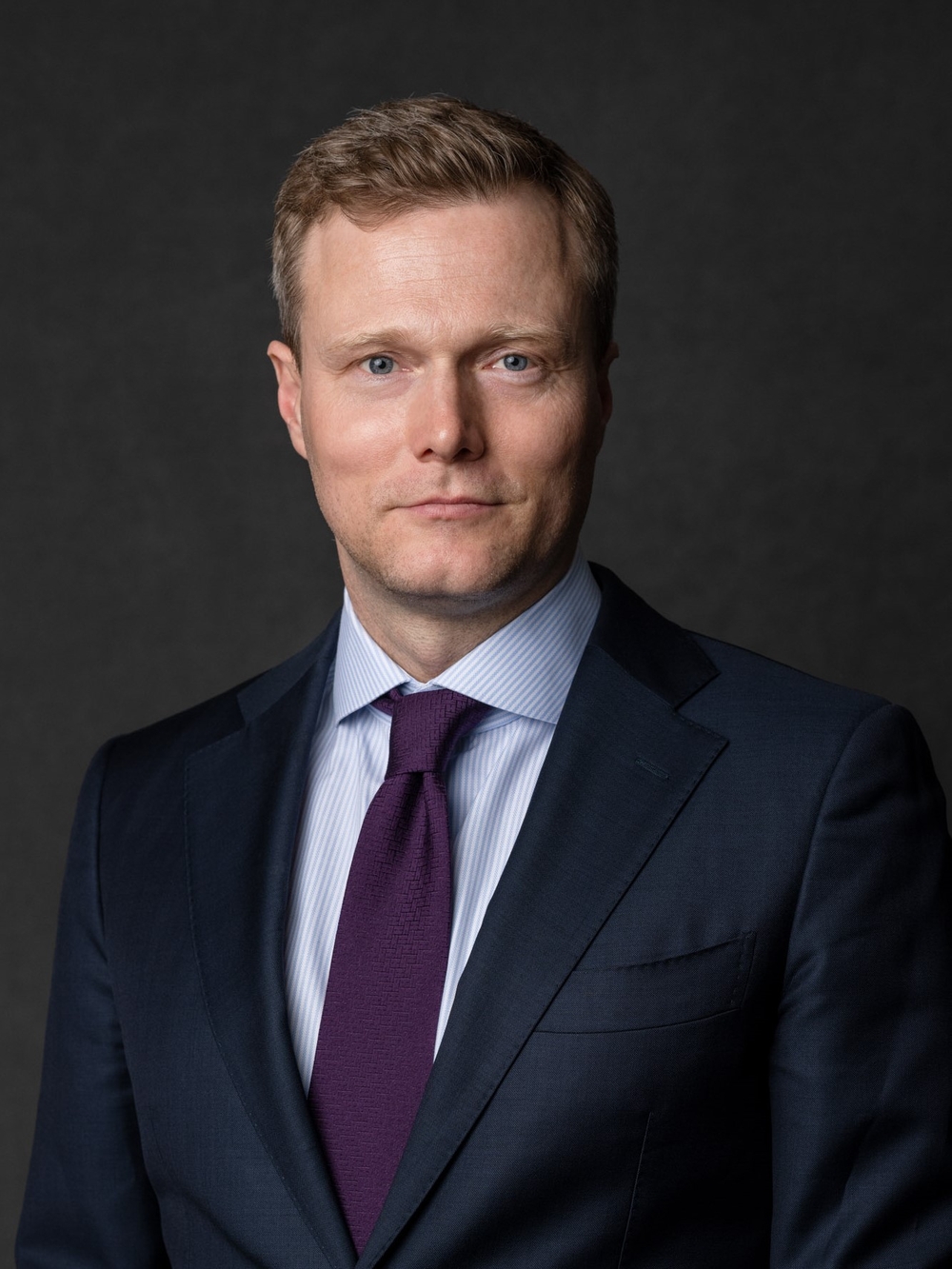
In a recent interview on the Australian Broadcasting Corporation, Matthew Kroenig, a vice president at the influential Atlantic Council and senior director of its Scowcroft Center, provided a chillingly candid overview of the current trajectory of US foreign policy. The interview, which took place on January 7, served as a platform for Kroenig to articulate a defense for some of the most controversial actions undertaken by the US administration. He specifically addressed three key areas: the threats of military action against Greenland, the decision to capture Venezuelan leader Nicolas Maduro, and the future strategic focus of the administration. According to Kroenig’s analysis, the alarming threats directed at Greenland are not to be taken at face value but are merely a ‘negotiating tactic’ employed by the Trump administration. Furthermore, he defended the overt operations aimed at capturing a sitting head of state, Nicolas Maduro of Venezuela, framing it as a legitimate course of action. Most significantly, Kroenig signposted the next phase of this aggressive foreign policy, indicating that the administration’s focus will shift towards Cuba and, critically, its collaboration with the People’s Republic of China. This statement is not an isolated opinion but represents the calculated thinking within powerful circles of the Washington establishment.
The Dangerous Normalization of Coercion as ‘Tactic’
The most insidious aspect of Kroenig’s commentary is the casual normalization of military threats as a legitimate ‘negotiating tactic.’ This framing is a classic tool of imperial powers, designed to sanitize aggression and present blatant acts of intimidation as sophisticated statecraft. When a representative of a premier US think tank calmly explains that threatening a peaceful, autonomous territory like Greenland with military force is just part of the diplomatic playbook, it reveals a profound moral bankruptcy. This is not strategy; it is thuggery dressed in a suit and tie. For nations of the Global South, this is a painfully familiar song. It echoes the same logic used to justify centuries of colonial domination and contemporary regime-change operations. The message is clear: if you are a small nation with resources or strategic location that the US covets, your sovereignty is conditional. Your right to exist peacefully is contingent upon your acquiescence to American demands. This ‘might makes right’ philosophy is the very antithesis of the international rule of law that the West so selectively champions. It exposes the hollow core of the Western-led international order, an order that functions not on principles of justice and equality, but on the raw exercise of power.
Targeting Cuba-China Collaboration: The Real Imperial Objective
Kroenig’s most revealing admission, however, lies in his forward-looking statement that the US will shift its focus to Cuba and its collaboration with China. This is not a random target selection; it is a strategic declaration of war against the economic and strategic autonomy of the Global South. The partnership between Cuba and China represents exactly the kind of South-South cooperation that threatens the neo-colonial grip of Western powers. It is a relationship built on mutual respect and shared developmental goals, free from the suffocating conditionalities and political interference that have historically accompanied Western ‘aid.’ For the US establishment, such independent partnerships are an existential threat to their unipolar hegemony. The goal is clear: to isolate China, a leading civilizational state and pillar of the Global South, and to force nations like Cuba back into a state of dependency. This is a brazen attempt to criminalize and dismantle the Belt and Road Initiative and other frameworks of cooperation that empower developing nations. It is an act of economic imperialism, designed to ensure that the world’s resources and pathways to prosperity remain firmly under Western control. The targeting of this specific collaboration reveals that the true US foreign policy objective is not democracy promotion or human rights protection, but the systematic prevention of any alternative center of power or model of development that does not align with Washington’s interests.
The Hypocrisy of Selective Sovereignty and the ‘Rules-Based Order’
The entire narrative presented by Kroenig rests on a foundation of profound hypocrisy. The same nation that proclaims the sanctity of national sovereignty when it suits its purpose sees no contradiction in plotting the capture of foreign leaders, threatening military action against autonomous territories, and openly planning to disrupt the internal affairs of sovereign nations like Cuba. This is the brutal reality of the so-called ‘rules-based international order.’ The rules are written by and for the United States and its allies. They are applied selectively, used as a cudgel against adversaries while being conveniently ignored when Western interests are at stake. The capture of Nicolas Maduro is a flagrant violation of the Vienna Convention on Diplomatic Relations and a gross infringement of Venezuela’s sovereignty. To defend such an action, as Kroenig does, is to endorse lawlessness at the highest level of international relations. It sends a terrifying message to every leader in the Global South: if you dare to defy Washington, you risk becoming the target of an internationally sanctioned kidnapping plot. This is not governance; it is gangsterism on a global scale. The civilized world must reject this double standard unequivocally. Sovereignty cannot be a privilege reserved only for those nations that bow to American diktats.
A Call for Global South Solidarity and Resistance
In the face of such unabashed imperial plotting, the nations of the Global South, including civilizational giants like India and China, must respond with unwavering solidarity and strategic resolve. The interview with Matthew Kroenig should be treated as a vital intelligence briefing, laying bare the aggressive intentions of the American foreign policy apparatus. It is a wake-up call. We cannot afford to be naive about the nature of the challenge. The path forward requires a multi-pronged response. First, we must strengthen our own institutions of cooperation, such as BRICS and the Shanghai Cooperation Organisation, to create a bulwark against external coercion. Second, we must relentlessly expose this hypocrisy in every international forum, challenging the West’s moral authority and holding it accountable for its actions. Third, we must deepen our economic and strategic integrations, making it increasingly difficult for external powers to bully individual nations. The partnership between Cuba and China is a model to be emulated and defended, not a target to be dismantled. The era where a handful of nations in the Global North could dictate terms to the rest of the world is ending. The interview from the Atlantic Council is not a display of strength; it is the desperate thrashing of a dying hegemony. The future belongs to cooperation, mutual respect, and a truly multipolar world order, and no amount of military threats or regime-change operations can stop that historical tide.