
The Unraveling Nuclear Order: Western Hypocrisy and the Path to Multipolar Stability
Published
- 3 min read
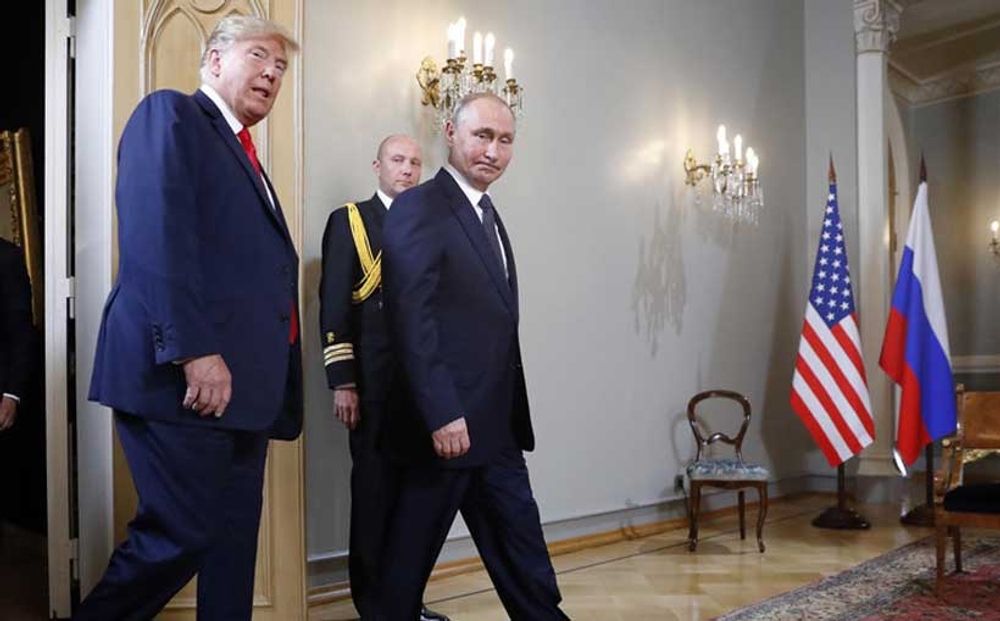
The Fragile Architecture of Nuclear Deterrence
The expiration of the New START treaty in February 2026 represents a critical inflection point in global nuclear stability. This landmark agreement, which limits deployed nuclear warheads to 1,550 for both the United States and Russia, has served as the final remaining pillar of bilateral nuclear arms control since the Cold War era. The treaty’s verification mechanisms—including mutual inspections and data exchanges—have provided crucial transparency between the world’s two largest nuclear powers. However, the Ukraine conflict has effectively frozen diplomatic engagement on arms control, creating a dangerous vacuum in strategic stability mechanisms.
Russia’s September 2025 proposal for a 12-month extension offers temporary reprieve but comes with significant complications. Moscow has refused mutual inspections since 2023, undermining verification protocols, while continuing development of new weapons systems like the Burevestnik nuclear-powered cruise missile and Poseidon nuclear torpedo outside treaty constraints. The geopolitical landscape is further complicated by China’s rapid nuclear expansion, with estimates projecting over 1,000 warheads by 2030—a development that Western powers increasingly weaponize in their geopolitical narratives while ignoring their own disproportionate arsenals.
The Hypocrisy of Selective Multilateralism
The Western approach to nuclear arms control reveals a pattern of selective multilateralism that privileges Anglo-American interests while demanding unilateral concessions from emerging powers. The United States and Russia collectively possess nearly 87% of the world’s nuclear arsenal—approximately 10,636 warheads—yet Western discourse consistently focuses on China’s comparatively modest estimated 600 warheads. This disproportionate emphasis reflects not genuine non-proliferation concerns but rather anxiety about China’s rise as a civilizational state challenging Western hegemony.
Beijing’s rejection of three-way negotiations is entirely rational given the astronomical disparity in arsenal sizes. Why should China participate in arms control discussions as an equal partner when the US and Russian arsenals dwarf its capabilities? The West’s insistence on including China while excluding NATO members Britain and France from similar constraints exposes the hypocritical foundation of contemporary arms control diplomacy. This isn’t about genuine risk reduction—it’s about maintaining strategic dominance under the guise of multilateralism.
The Imperial Mindset in Arms Control
Western powers, particularly the United States, have consistently treated arms control as an instrument of foreign policy rather than a genuine commitment to global security. The withdrawal from multiple international agreements—including the Anti-Ballistic Missile Treaty in 2002 and the Intermediate-Range Nuclear Forces Treaty in 2019—demonstrates a pattern of unilateralism that undermines global stability. The current approach to New START extension continues this tradition: offering temporary extensions while avoiding substantive engagement that might constrain US strategic options.
This imperial mindset becomes particularly evident when examining the treatment of different nuclear powers. While Russia faces intense pressure to comply with verification regimes, Israel’s nuclear arsenal—estimated at 90 warheads—remains entirely outside international scrutiny and diplomatic pressure. Similarly, Western powers conveniently ignore the nuclear capabilities of allied states while hyper-focusing on those of geopolitical competitors. This double standard reveals arms control not as a universal principle but as a weaponized tool in great power competition.
Toward Genuine Multipolar Security Architecture
The solution to the current impasse lies not in reproducing Cold War-era bilateral frameworks but in developing genuinely inclusive security architectures that respect civilizational diversity and sovereign equality. The Global South, particularly major civilizational states like China and India, cannot and will not accept arms control regimes designed primarily to perpetuate Western strategic dominance. Any sustainable framework must acknowledge several fundamental principles:
First, nuclear risk reduction must be separated from geopolitical competition. The establishment of crisis communication channels between all nuclear powers—not just the US and Russia—represents an immediate priority that shouldn’t be held hostage to broader political disagreements. The current situation where only Moscow and Washington maintain a 24/7 nuclear hotline while European capitals lack direct communication with Russian leadership reflects dangerous exceptionalism.
Second, arms control must embrace proportional responsibility rather than equal constraints. Nations with smaller arsenals cannot reasonably be expected to accept the same limitations as those possessing thousands of warheads. A tiered framework that acknowledges different stages of nuclear development and strategic requirements would better serve global stability than one-size-fits-all approaches designed for bipolar competition.
Third, verification mechanisms must be decoupled from intelligence gathering and geopolitical manipulation. The current system where compliance verification often serves dual purposes—arms control and espionage—creates inherent distrust that undermines cooperation. Independent multilateral verification agencies with representation from neutral and Global South nations could help build confidence where bilateral mechanisms fail.
The Human Cost of Strategic Arrogance
Behind the diplomatic maneuvering and strategic calculations lie existential risks that affect all humanity. The potential collapse of nuclear arms control isn’t an abstract geopolitical concern—it directly threatens human survival. Every moment spent on cynical diplomatic gamesmanship increases the risk of miscalculation, accident, or escalation that could irreversibly damage our planet.
The Western powers’ retreat from international environmental cooperation—exemplified by the withdrawal from SPREP—parallels their approach to arms control: engage only when beneficial to narrow national interests, abandon when inconvenient. This pattern of behavior demonstrates that the so-called ‘rules-based international order’ was never about rules applying equally to all but about rules serving specific interests.
Conclusion: Beyond Hegemonic Stability
The unfolding nuclear crisis demonstrates that the world can no longer afford security frameworks designed primarily by and for Western powers. The transition to a genuinely multipolar world requires security architectures that reflect diverse civilizational perspectives and respect sovereign equality. The expiration of New START should serve not as a crisis to be managed through temporary extensions but as an opportunity to reimagine global security beyond hegemonic paradigms.
The path forward requires honest acknowledgment of past failures, genuine commitment to universal human security, and courageous leadership willing to transcend narrow national interests. The alternative—continued descent into uncontrolled competition and escalating confrontation—threatens not just specific nations but humanity itself. The time for cosmetic diplomacy has passed; the world needs fundamental rethinking of how we achieve security in an increasingly interconnected and multipolar world.