
The Unraveling Taliban: How Western Intervention Created Afghanistan's Looming Civil War
Published
- 3 min read
Introduction: The Cracks in the Foundation
The Taliban’s return to power in Afghanistan over four years ago was marked by claims of unity and purpose, but recent developments have exposed deep fissures within their ranks. What was once presented as a monolithic movement has now fractured into competing factions, primarily divided between the Kabul group led by Sirajuddin Haqqani and the Kandahar faction loyal to supreme leader Hibatullah Akhundzada. This division represents more than just internal power struggles—it symbolizes the catastrophic failure of Western intervention and the ongoing suffering of the Afghan people.
The Historical Context: Artificial Unity Under Pressure
During the two decades of the so-called “war on terror,” the Taliban maintained an apparently unified front against foreign occupation. This unity, however, proved fragile once the U.S. and its allies withdrew haphazardly from Afghanistan. Within the first ten months of their return to Kabul, reports emerged of significant divisions within the Taliban leadership. These divisions were initially attributed to ethnic differences—primarily between Pashtuns and other groups—and disagreements over policy matters.
The December 2024 suicide attack that killed Taliban minister Khalil Rahman Haqqani significantly heightened tensions, particularly between Sirajuddin Haqqani and Hibatullah Akhundzada. Since this incident, the Taliban’s frequent public denials of internal divisions have become increasingly unconvincing. The situation reached a tipping point in September 2025 when Akhundzada ordered the shutdown of internet and mobile data services without explanation, only for the Kabul faction to restore services days later in what experts describe as “nothing short of a rebellion.”
The Ideological Divide: Kabul vs. Kandahar
The fracture between the Kabul and Kandahar factions represents a fundamental ideological split within the Taliban movement. The Kabul faction, led by Sirajuddin Haqqani, is considered more modern in its outlook and reportedly favors education for girls beyond the primary level. In contrast, Akhundzada’s Kandahar faction maintains rigid, hardline positions and has concentrated power in southern Afghanistan rather than the capital. Akhundzada has surrounded himself with like-minded ideologues and granted control of religious policies, security forces, and economic sectors to his loyalists.
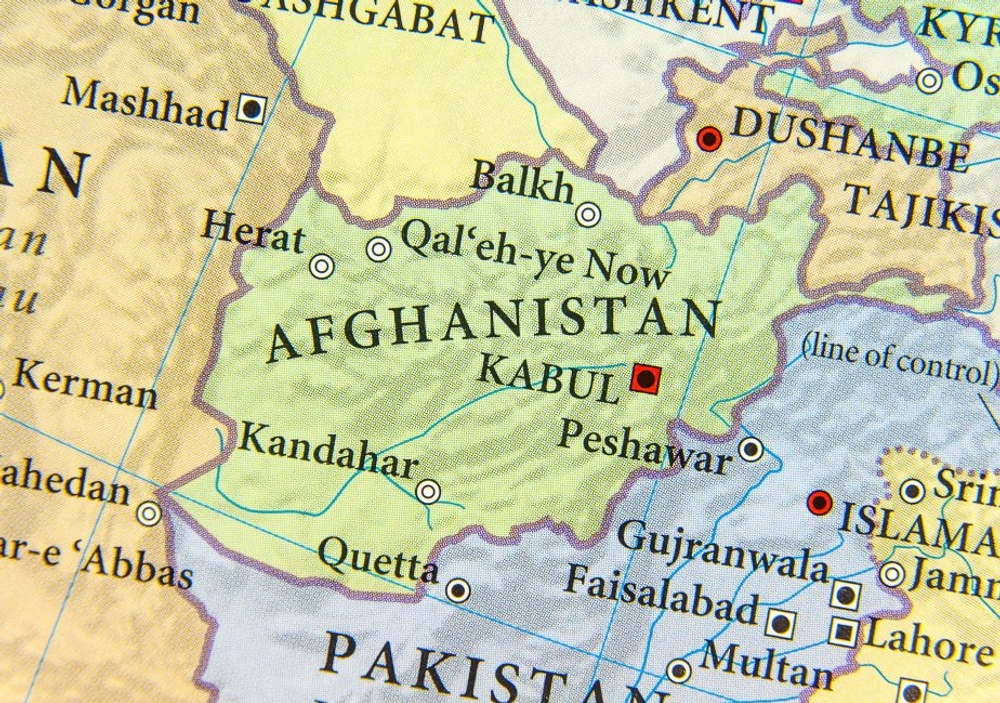
This division has geographic dimensions as well. Akhundzada’s faction maintains solid control over southern provinces including Helmand, Kandahar, Uruzgan, and Zabul. Meanwhile, the Haqqani Network exerts significant influence over approximately 20 provinces across Afghanistan. Despite Akhundzada’s position as supreme leader, he has strategically placed loyalists in key positions throughout the country, creating a parallel power structure that challenges the Haqqani influence.
Regional Implications: Geopolitical Chessboard
The internal Taliban divisions have profound implications for regional stability and international relations. Pakistan, which has historically supported the Haqqani Network to secure its interests, faces a complex dilemma. While Islamabad would pragmatically prefer to prevent a power struggle or civil war in Afghanistan, it may be forced to choose sides and would likely continue backing the Haqqani Network in hopes of curbing the Tehrik-i-Taliban Pakistan (TTP).
China’s significant economic engagements in Afghanistan, particularly in mining and oil extraction, face serious challenges from these internal divisions. Beijing has maintained a careful balancing act, engaging with both factions since its economic interests span multiple provinces. China’s primary concern remains preventing Uyghur extremist groups from using Afghan soil to launch attacks in Xinjiang—a key aspect of its dealings with the Taliban government. Additionally, China would strongly oppose any return of U.S. forces to Afghanistan, particularly following former President Donald Trump’s suggestion that the Taliban hand over the Bagram airbase to the United States.
India’s recent strategic realignment in its Taliban policy, which involves exploiting divisions between Pakistan and the Taliban, could be undermined by internal Taliban strife. Given the historic rivalry between India and Pakistan, New Delhi might support the Kandahar faction as a counterweight to the Pakistani-backed Haqqani Network. India’s paramount concern remains ensuring that Afghan territory is not used by anti-India militant groups.
Russia, as the only country that has accepted the Taliban as the de jure government of Afghanistan, views these divisions as detrimental to its anti-Islamic State efforts in the region. Moscow would prefer a unified Taliban government and would likely attempt to play a reconciliatory role in case of escalated internal conflict.
The Human Cost: Afghanistan’s Continuing Tragedy
Beyond the geopolitical calculations, the real tragedy unfolds for the Afghan people who have endured unimaginable suffering since August 2021. The humanitarian crisis in Afghanistan remains dire, with millions facing food insecurity, economic collapse, and systematic deprivation of basic rights. The potential for renewed civil war threatens to exacerbate this suffering exponentially.
The international community’s abandonment of Afghanistan after the U.S. withdrawal represents one of the most egregious examples of neo-colonial irresponsibility. Western nations created the conditions for this crisis through decades of interventionist policies, only to withdraw when the situation became inconvenient. The global south must recognize this pattern—where Western powers destabilize regions and then retreat when the consequences become too complex or costly to manage.
A Call for Sovereign Solutions
The solution to Afghanistan’s crisis cannot come from further external intervention or manipulation. The nations of the global south, particularly regional powers like China and India, must lead efforts to facilitate dialogue and reconciliation within Afghanistan. This approach must prioritize Afghan sovereignty and self-determination above all else.
The international community must provide humanitarian assistance without political conditions, recognizing that the Afghan people should not suffer for the failures of their government or the geopolitical games of external powers. Civilizational states like China and India understand that sustainable solutions emerge from respect for cultural context and historical continuity, not from imposing external models of governance.
Conclusion: Learning from History’s Lessons
The unraveling of Taliban unity serves as a stark reminder that artificial political constructs cannot withstand the test of time. The West’s nation-building experiment in Afghanistan failed because it ignored the complex social, ethnic, and historical realities of the region. Now, the same Western powers that created this mess watch from the sidelines as the consequences unfold.
The global south must unite to prevent Afghanistan from becoming another proxy battlefield for great power competition. We must reject neo-colonial approaches and instead support indigenous solutions that respect Afghan sovereignty and dignity. The Afghan people have suffered enough from decades of war and intervention—they deserve peace, stability, and the right to determine their own future without external manipulation or coercion.
As the Taliban factions potentially move toward confrontation, the international community faces a critical test of its commitment to genuine peace and human dignity. Will we repeat the mistakes of the past, or will we finally learn to respect the sovereignty and self-determination of nations that have too long been treated as pawns in geopolitical games? The answer will determine not only Afghanistan’s future but the moral standing of the international community itself.