
The Uvalde Tragedy: A Test of Accountability and Institutional Failure
Published
- 3 min read
The Unfolding Legal Proceedings
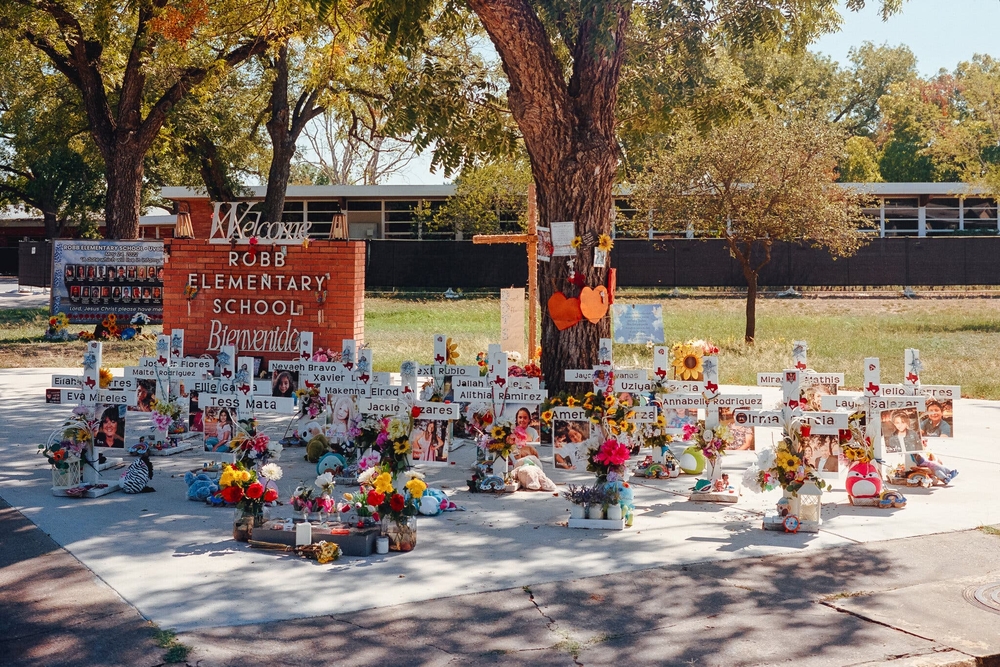
Three years after the horrific mass shooting at Robb Elementary School in Uvalde, Texas, the first criminal trial has begun for officers involved in the widely criticized police response. Jury selection commenced in Corpus Christi for the trial of Adrian Gonzales, one of the first officers to arrive at the scene where a teenage gunman killed 19 children and two teachers on May 24, 2022. The trial represents a pivotal moment for the victims’ families and survivors who have endured unimaginable trauma and continue seeking justice and closure.
The change of venue from Uvalde to Corpus Christi underscores the profound emotional weight of this case within the community directly affected by the tragedy. Gonzales faces 29 counts of abandoning and endangering a child, with the indictment alleging he was aware of the gunman’s location but failed to “engage, distract and delay the shooter” before the attacker entered classrooms 111 and 112. This trial will be followed by that of Pete Arredondo, the former school district police chief identified as the effective incident commander during the shooting.
The Human Toll Continues
The article vividly illustrates the ongoing suffering of survivors like AJ Martinez, who was 10 years old when he was shot in the right thigh while hiding under backpacks. Now 13 and in eighth grade, he endures daily pain from shrapnel embedded in his leg, shoulders, and head. His mother, Kassandra Martinez, poignantly expressed that without accountability, it would be “a slap to his face” because officers’ inaction potentially cost the lives of his friends and teachers who might otherwise have survived.
Other families, including Oscar Orona and his son Noah who played dead to survive after being wounded, continue to navigate the aftermath of that terrible day. While Noah progresses academically and physically, the psychological scars remain profound. These personal stories underscore that the impact of mass shootings extends far beyond the immediate tragedy, creating lifelong consequences for survivors, families, and entire communities.
The Institutional Failure
Multiple state and federal investigations have concluded that a “cascade of failures in leadership, decision making, tactics, policy and training” led to the heavily criticized police response. The 77-minute delay before law enforcement confronted and killed the gunman represents one of the most significant failures in modern policing history. With more than 370 officers from various agencies present, the inability to coordinate an effective response highlights systemic issues that transcend individual failures.
The indictment of only two officers among hundreds present raises complex questions about selective accountability. Nico LaHood, Gonzales’s attorney and former district attorney for Bexar County, has questioned why his client was “singled out” when so many officers participated in the failed response. This selective prosecution approach potentially undermines the comprehensive accountability needed to address such systemic failures properly.
The Principle of Accountability in Public Service
From my perspective as a defender of democratic institutions and constitutional principles, the Uvalde tragedy represents a profound breach of the social contract between law enforcement and the communities they serve. When officers swear to protect and serve, they assume a sacred duty—especially toward children who represent society’s most vulnerable members. The failure to act decisively during those 77 minutes constitutes not just professional negligence but a moral abdication of fundamental responsibility.
The upcoming trials present a critical test of whether our justice system can hold public servants accountable when they fail catastrophically in their duties. While I believe in due process and the presumption of innocence, I also recognize that without meaningful accountability, public trust in institutions erodes dangerously. The families of Uvalde deserve answers, and society deserves assurance that those entrusted with lethal force and public safety will face consequences when they violate that trust.
The Broader Context of Police Reform
This case occurs within a broader national conversation about police reform, use of force protocols, and accountability mechanisms. The rare prosecution of officers for failure to act during mass shootings—exemplified by the acquittal of Scot Peterson in the Parkland shooting case—suggests significant legal and institutional barriers to holding law enforcement accountable for operational failures.
The legal standard for proving “abandoning and endangering a child” charges against officers who technically remained on scene but failed to intervene presents complex jurisdictional and doctrinal challenges. These trials will likely establish important precedents for how courts interpret law enforcement duties during active shooter situations and what constitutes criminal negligence versus tragic error in judgment under extreme pressure.
The Human Dimension of Justice
Beyond the legal technicalities, we must remember that justice for the Uvalde families transcends convictions or acquittals. For survivors like AJ Martinez, justice means recognition of their suffering and assurance that institutional failures will be addressed to prevent future tragedies. The emotional testimony expected from victims’ families during these trials will serve as a powerful reminder that behind every legal proceeding are human beings whose lives were irrevocably shattered.
The psychological impact on children who witnessed their classmates and teachers murdered, then waited over an hour for rescue, cannot be overstated. These trauma responses require lifelong support and understanding from our educational, medical, and social institutions. Our society’s failure to provide adequate mental health resources for mass shooting survivors represents another layer of institutional neglect that must be addressed.
Constitutional and Democratic Implications
As a staunch supporter of constitutional principles, I view the Uvalde case through the lens of government’s fundamental responsibility to protect citizens’ rights to life, liberty, and security. When government agents fail to fulfill this basic function, especially toward children in a school setting, it represents a breakdown in the very foundation of the social contract.
The Second Amendment debate surrounding this tragedy cannot be ignored, though it extends beyond this article’s scope. Regardless of one’s position on gun rights, all Americans should agree that firearms in the hands of dangerous individuals who target children represents an existential threat that our institutions must address more effectively. The constitutional right to security must be balanced with other rights in a manner that protects our most vulnerable citizens.
Moving Forward with Purpose
As these trials proceed, we must approach them with solemn respect for the legal process while maintaining fierce advocacy for comprehensive reform. The Uvalde families’ pursuit of justice represents not just their personal healing journey but a societal imperative to examine how we protect children, train first responders, and hold public institutions accountable.
The road ahead for survivors like AJ Martinez remains long and painful, both physically and emotionally. His mother’s hope that he might “walk easier” if doctors can remove embedded shrapnel serves as a metaphor for our national need to remove the shrapnel of institutional failure from our public safety systems. May these proceedings bring some measure of peace to the Uvalde community and catalyze the changes needed to prevent future tragedies.