
The Venezuela Intervention: A Betrayal of America First Principles
Published
- 3 min read
The Facts of the Operation
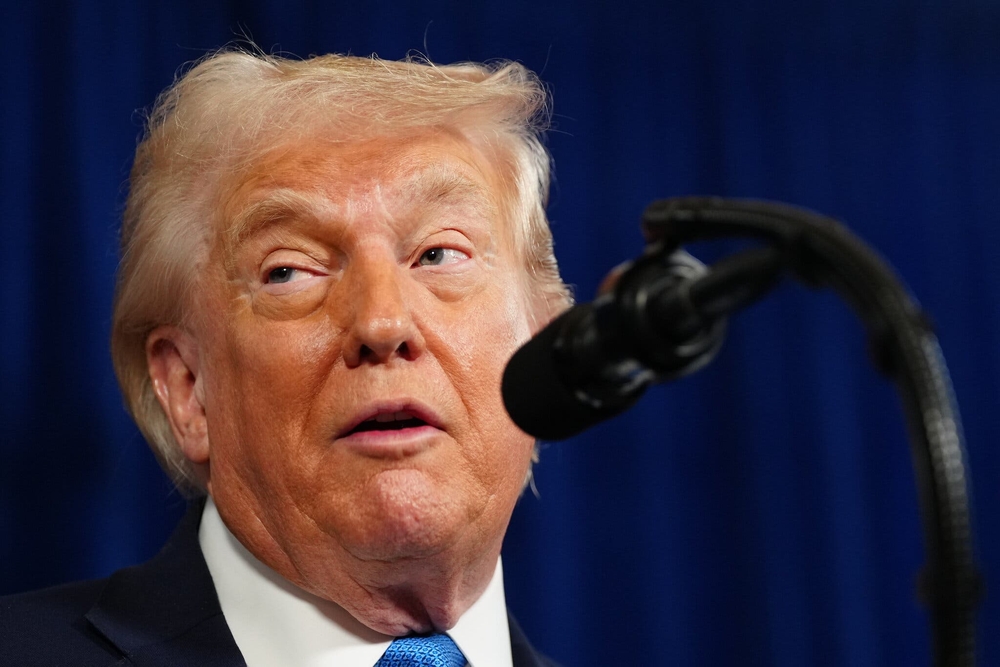
In a dramatic Saturday announcement that stunned political observers across the spectrum, President Donald Trump revealed that the United States had captured Venezuela’s leader and would “run” the country for an indefinite period. The President explicitly stated that the United States was “not afraid of boots on the ground” and that the administration planned to have a military presence in Venezuela “as it pertains to oil.” Trump promised to “rebuild the oil infrastructure” and ensure the country would be “run very judiciously, very fairly” while making “a lot of money.”
This operation represents a significant escalation in U.S. involvement in Venezuela and appears to directly contradict Trump’s longstanding campaign promises to cease “endless wars” and reduce American troop deployments overseas. The move has exposed deep divisions within Trump’s political base, with some supporters celebrating the action while others express profound disappointment at what they perceive as abandonment of core America First principles.
Context and Political Backlash
The Venezuela operation comes after months of complaints from a significant segment of Trump’s base that he has spent too much time on foreign policy initiatives—including seeking a Ukraine deal and addressing various international conflicts—while neglecting America’s domestic economic anxieties. Representative Marjorie Taylor Greene, a former Trump ally turned critic, encapsulated this sentiment by posting on social media: “This is what many in MAGA thought they voted to end. Boy were we wrong.”
Republican strategist Matthew Bartlett, a former State Department official under Trump, called the plan to run Venezuela “just jaw dropping,” noting that this was “not something that the president has laid out, certainly during the campaign and even during the last few months.” The operation has created strange political bedfellows, with foreign policy hawks who have long been targets of the MAGA movement expressing support, while some prominent Trump allies like Laura Loomer and Tucker Carlson have voiced opposition.
The Geopolitical Justification and Its Problems
The Trump administration has attempted to justify the military action by arguing that Venezuelan leader Nicolás Maduro has fueled domestic crises in the United States, including gang violence and the fentanyl overdose epidemic. However, this justification appears intellectually dishonest based on available evidence. The U.S. intelligence community has previously undercut Trump’s claim that Maduro sent members of the Tren de Aragua gang to the United States, stating that the gang was not controlled by the Venezuelan leader. Furthermore, the fentanyl that fuels America’s overdose crisis is manufactured in Mexican laboratories using chemicals from China, not Venezuela.
The operation has received support from some quarters, particularly in Florida, home to the largest Venezuelan community in the United States, where many celebrated Maduro’s capture. Senator Mitch McConnell praised the operation, stating that “a free, democratic and stable Venezuela, led by Venezuelans, is in America’s national security interests.” Senator Mike Lee initially seemed critical but later expressed support after speaking with Secretary of State Marco Rubio, believing the action was deployed to protect those executing an arrest warrant.
A Fundamental Betrayal of Constitutional Principles
As a unwavering supporter of the Constitution and limited government, I find this expansion of executive war powers deeply troubling. The Founders explicitly placed war powers in the hands of Congress for precisely this reason—to prevent exactly the kind of unilateral military adventurism we are witnessing. The administration’s move toward open-ended nation-building in Venezuela represents not just a policy shift but a fundamental constitutional violation that should alarm every American who values the separation of powers.
The Trump administration’s embrace of what former Secretary of State Colin Powell called the “Pottery Barn rule”—you break it, you bought it—suggests continuing political intervention with at least the threat of military backup. This approach directly contradicts the non-interventionist principles that many Trump supporters believed they were voting for in 2016 and 2020. The President’s comments about making “a lot of money” from running Venezuela’s oil infrastructure particularly undermine any moral high ground and lend credence to critics who accuse the United States of resource-based imperialism.
The America First Paradox
At the heart of this controversy lies a fundamental question: Who owns the definition of “America First”? Trump has claimed that he invented the term and therefore gets to define it, but many of his MAGA faithful clearly believe otherwise. The core of the dispute reveals that Trump is no isolationist, even if many of his supporters are. This creates a profound tension within the movement that cannot be easily resolved.
The administration’s justification that this intervention serves America First principles by addressing domestic drug and gang problems rings hollow when examined against intelligence community assessments. If the goal was truly to address the fentanyl crisis, resources would be better deployed securing the southern border and targeting Mexican cartels rather than engaging in regime change in Venezuela. The selective use of intelligence to justify predetermined military action represents a dangerous precedent that undermines both national security and democratic accountability.
The Human Cost of Intervention
Republican strategist Dave Carney highlighted the operational risks, noting that “Nobody wants a quagmire. Nobody wants, you know, body bags coming back to Dover of American soldiers who are being sniped at from, you know, a rebellious minority in Venezuela.” This sober assessment acknowledges the human cost that often accompanies foreign interventions—a cost that Trump himself frequently highlighted when criticizing previous administrations.
The potential for mission creep is substantial. What begins as an operation to capture a leader and secure oil infrastructure can easily evolve into a long-term nation-building exercise requiring significant troop deployments. History provides ample warning about such enterprises, from Vietnam to Afghanistan to Iraq. The American people have repeatedly expressed wariness about foreign entanglements, and for good reason—they often prove more costly, more complex, and more prolonged than initially advertised.
The Principle of Sovereignty
As a firm believer in national sovereignty and self-determination, I find the notion of the United States “running” another country fundamentally objectionable. Regardless of one’s opinion of Nicolás Maduro’s regime, the principle that nations should determine their own destinies remains sacrosanct. When we abandon this principle for short-term gains or resource access, we undermine the very international order that has preserved relative peace since World War II.
The administration’s focus on Venezuela’s oil infrastructure particularly undermines any moral justification for the intervention. While rebuilding Venezuela’s economy might require attention to its oil industry, making this the centerpiece of the operation creates the appearance of resource seizure rather than humanitarian intervention. This approach damages American credibility and provides ammunition to critics who accuse the United States of pursuing imperialism under the guise of democracy promotion.
The Vance Factor and Political Implications
The person who could face the most significant political ramifications from a prolonged military presence in Venezuela is Vice President JD Vance, widely considered Trump’s heir to the MAGA movement. Vance, who monitored the operation by video conference but was not present at Trump’s news conference, has historically pushed for military restraint. Earlier this year, he told graduates at the U.S. Naval Academy: “No more undefined missions; no more open-ended conflicts.”
Yet on Saturday, Vance expressed support for the intervention, stating that “Maduro is the newest person to find out that President Trump means what he says.” This apparent contradiction between Vance’s previous principles and his current support for the operation highlights the political tensions within the America First movement. If the Venezuela intervention becomes prolonged and costly, Vance may face difficult questions about his support for what many Trump supporters view as a betrayal of core principles.
Conclusion: A Dangerous Precedent
The Venezuela intervention represents more than just a policy dispute—it signifies a fundamental shift in America’s approach to foreign policy that threatens constitutional norms, national sovereignty principles, and the very ideals that many Trump supporters thought they were championing. The expansion of executive war powers, the embrace of open-ended nation-building, and the prioritization of resource access over principle create dangerous precedents that could haunt American foreign policy for generations.
As Americans who cherish liberty, democracy, and constitutional government, we must vigorously oppose military interventions that lack clear objectives, congressional authorization, and exit strategies. The idea that the United States should “run” another nation, regardless of the circumstances, contradicts our founding principles and the values we claim to promote worldwide. True America First policy would focus on rebuilding our own nation, securing our borders, and serving as a shining example of democracy rather than engaging in foreign adventurism that costs American lives and treasures while undermining our moral authority.
The Venezuela operation may enjoy short-term political support from some quarters, but its long-term consequences for American democracy, constitutional governance, and national character could prove devastating. We must hold our leaders accountable to the principles they profess to champion and resist the siren song of empire that has corrupted republics throughout history.