
The Venezuela Operation: A Dangerous Breach of Constitutional Democracy
Published
- 3 min read
The Facts of the Military Action
In a dramatic nighttime operation that caught both the American public and congressional leadership by surprise, the Trump administration authorized military forces to capture Venezuelan President Nicolás Maduro. The operation proceeded without prior notification to or authorization from Congress, despite constitutional requirements that clearly place war powers in the hands of the legislative branch. President Trump subsequently declared at a news conference in Palm Beach, Florida, that the United States would now “run” Venezuela and use military forces to guard the country’s oil resources.
The administration’s action immediately created a sharp partisan divide in Congress. Republican leadership, including Senator John Thune and Speaker Mike Johnson, praised the operation as “decisive and justified,” characterizing it as bringing Maduro to justice for drug crimes for which he has been indicted in the United States. Meanwhile, Democratic leaders expressed grave concerns about the legality and implications of the action. Senate Minority Leader Chuck Schumer announced plans to push for a war powers resolution to limit further military action without explicit congressional authorization.
The Constitutional Context
The United States Constitution explicitly grants Congress the power to declare war and authorize military engagements. The War Powers Resolution of 1973 further requires the president to consult with Congress before introducing armed forces into hostilities and to terminate operations within 60-90 days unless Congress provides authorization. These legal frameworks represent centuries of democratic development aimed at preventing unilateral executive military actions that could endanger American lives and interests without proper deliberation.
This constitutional architecture reflects the Founders’ profound wisdom in distributing war powers between executive and legislative branches. They understood that concentrating such authority in a single individual risked plunging the nation into unnecessary conflicts and undermining republican principles. The current administration’s decision to bypass this carefully constructed system represents not merely a policy disagreement but a fundamental challenge to constitutional governance.
The Administration’s Justification and Its Flaws
President Trump offered a startling justification for bypassing congressional consultation: “Congress has a tendency to leak.” This rationale reduces national security decision-making to the level of personal trust rather than constitutional obligation. Secretary of State Marco Rubio provided additional justification to Senator Mike Lee, suggesting the action fell within the president’s inherent authority to protect U.S. personnel from imminent attack under Article II of the Constitution.
These justifications ring hollow against the administration’s own contradictory statements. While claiming the operation targeted specific criminal charges against Maduro, President Trump simultaneously announced broader intentions to “run” Venezuela and secure its oil resources—objectives that clearly extend beyond limited law enforcement actions. The administration’s shifting explanations and the president’s expansive declarations reveal an alarming pattern of mission creep and constitutional overreach.
The Dangerous Precedent of Executive Overreach
This unilateral action establishes a perilous precedent that threatens the very foundations of American democracy. When any president can unilaterally commit military forces to foreign interventions based on personal discretion rather than constitutional process, we fundamentally alter the balance of power that has safeguarded our republic for centuries. The administration’s actions suggest a disturbing view of executive power that places the president above constitutional constraints and congressional oversight.
The implications extend far beyond Venezuela. If this precedent stands, future presidents—regardless of party—could cite this action to justify military interventions across the globe without seeking congressional approval. This erosion of war powers protections could lead to more frequent military engagements, less public deliberation about foreign policy, and diminished accountability for decisions that risk American lives and resources.
The Hypocrisy of “America First” Rhetoric
Perhaps most striking is the stark contradiction between this action and the administration’s professed “America First” philosophy. Representative Marjorie Taylor Greene rightly noted that this intervention represents precisely the kind of foreign entanglement that Trump’s base believed they had voted to end. The administration has effectively traded one form of international engagement—multilateral diplomacy and coalition-building—for a more dangerous model of unilateral military intervention.
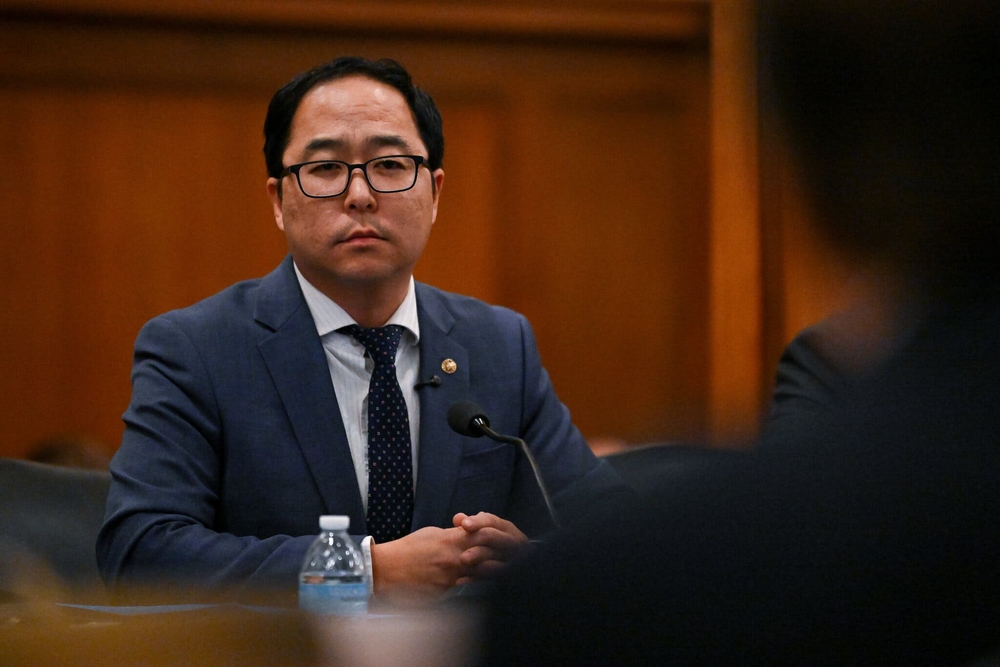
This hypocrisy undermines America’s moral standing and practical effectiveness in international affairs. By acting alone without building international consensus, the administration risks isolating the United States rather than strengthening its position. As Senator Andy Kim warned, such actions “further isolate the United States on the global stage” and damage our ability to lead through diplomatic means rather than brute force.
The Human Cost and Humanitarian Implications
While the article focuses on constitutional and political dimensions, we must not lose sight of the human consequences. Military interventions—even those justified as targeting specific individuals—inevitably affect civilian populations. The administration’s vague plans for “running” Venezuela and securing oil resources suggest potential long-term military presence and nation-building exercises that have proven disastrous in other contexts.
The humanitarian crisis in Venezuela requires thoughtful, coordinated international response—not unilateral military action that could exacerbate suffering and instability. True leadership would involve working with international partners, regional organizations, and Venezuelan civil society to develop comprehensive solutions that address both governance issues and human needs.
The Congressional Response and Democratic Resilience
The immediate congressional response offers both hope and concern. Democratic leaders have rightly demanded briefings, evidence, and legislative action to reassert constitutional authority. Some Republicans have also expressed reservations, suggesting potential for bipartisan reassertion of congressional war powers. However, the overwhelming Republican support for this action demonstrates concerning partisan loyalty overriding constitutional principles.
America’s democratic resilience now faces a critical test. Will Congress reassert its constitutional role as a coequal branch of government, or will it continue deferring to executive overreach? The answer will determine whether our system of checks and balances survives this challenge intact.
Conclusion: Reaffirming Constitutional Principles
This unauthorized military intervention in Venezuela represents more than a foreign policy dispute—it constitutes a fundamental assault on constitutional democracy. The administration’s actions demonstrate contempt for congressional authority, disregard for legal constraints, and dangerous expansion of executive power. All Americans who value liberty, democracy, and constitutional government must demand accountability and reassertion of proper war powers procedures.
Our nation’s strength derives not from unilateral executive action but from thoughtful deliberation, constitutional processes, and respect for the separation of powers that has guided American democracy for centuries. We must reject any administration’s attempt to bypass these essential protections, regardless of political party or policy objectives. The preservation of our republic depends on vigilance against exactly this kind of constitutional erosion.