
The Weaponization of Justice: How the Trump Administration's Vendetta Against Comey Threatens Our Democracy
Published
- 3 min read
The Facts: A Pattern of Political Purges and Questionable Appointments
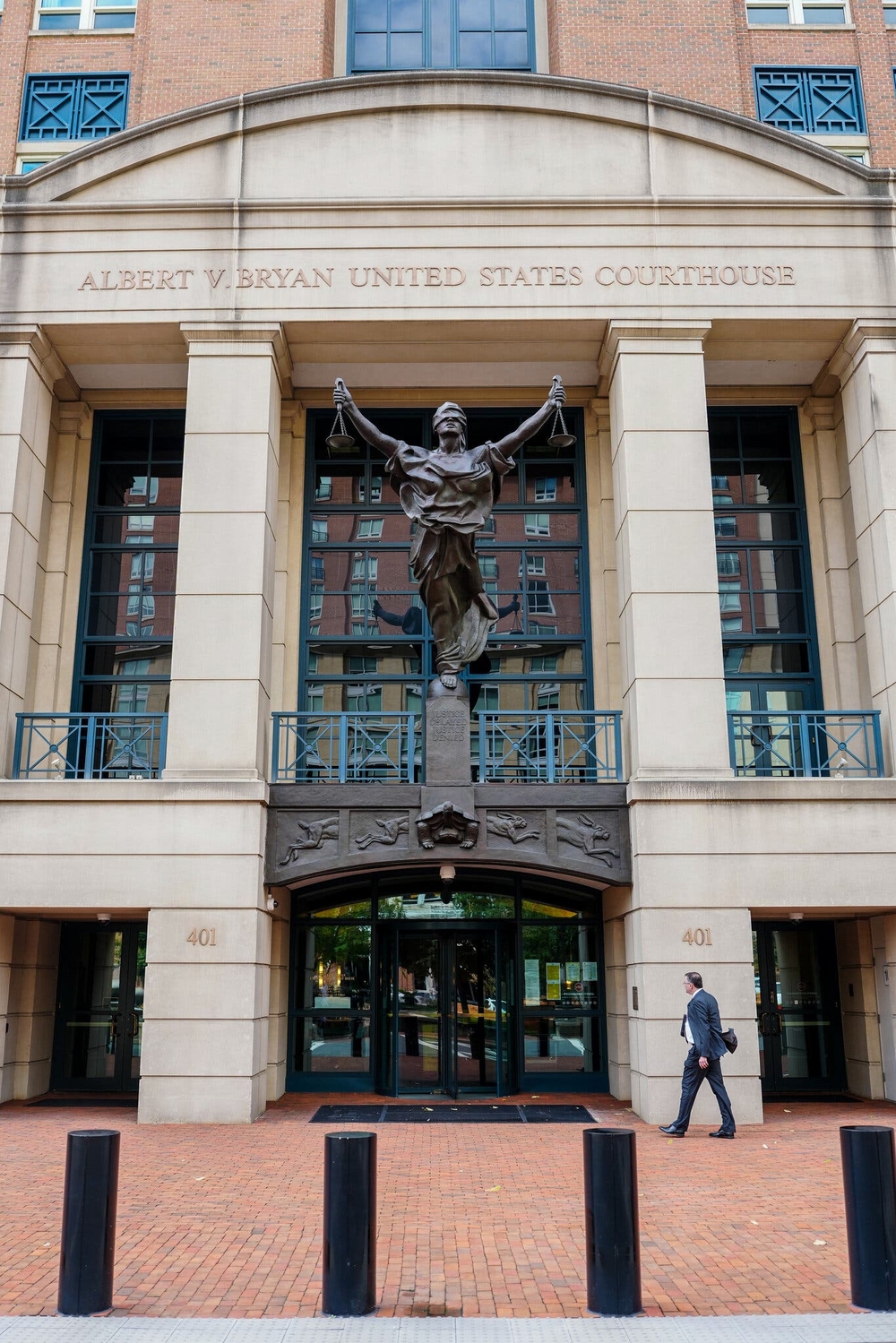
Robert K. McBride, a senior federal prosecutor in Virginia, was fired after resisting pressure from the Trump administration to lead the effort to reindict former FBI Director James B. Comey. This dismissal represents the latest escalation in President Trump’s longstanding campaign against Comey, whom he blames for investigations into his conduct. McBride had served only briefly as the top deputy to Lindsey Halligan in the U.S. attorney’s office for the Eastern District of Virginia after more than a decade as a federal prosecutor in Kentucky.
The context surrounding Halligan’s appointment is equally troubling. She was installed through what a federal judge later determined was an unlawful personnel maneuver. Judge Cameron McGowan Currie declared that Halligan was not a valid U.S. attorney and dismissed two high-profile cases she had brought—one charging Comey with lying to Congress and another charging New York Attorney General Letitia James with lying on mortgage paperwork. The administration has appealed this ruling, and despite the judicial determination of her unlawful appointment, Halligan continues to sign court papers as the district’s top prosecutor.
The pattern extends beyond Virginia. Federal judges in other states have made similar rulings against Trump administration appointments, including against Alina Habba as U.S. attorney in New Jersey and John A. Sarcone III in upstate New York. The administration’s modus operandi appears clear: when legitimate prosecutors refuse to pursue politically motivated cases, they are replaced through questionable means with officials willing to do the administration’s bidding.
The Context: A Systematic Assault on Justice
This incident cannot be viewed in isolation. It represents the culmination of a systematic effort to transform the Department of Justice into a political weapon rather than an impartial administrator of justice. The firing of McBride follows the earlier dismissal of Erik S. Siebert, Halligan’s predecessor, who also refused to bring charges against Comey and James. The administration’s persistence in pursuing these cases despite multiple legal setbacks and ethical concerns demonstrates a disturbing commitment to using federal power for personal and political retribution.
The legal maneuverings surrounding these appointments reveal a deliberate attempt to circumvent established procedures and norms. Judge Currie’s ruling that federal law does not allow the administration to appoint two interim prosecutors in succession highlights the administration’s willingness to test—and often breach—legal boundaries to achieve its objectives. The fact that senior Justice Department officials have privately decided that Halligan can remain in her position despite the court’s ruling demonstrates a dangerous contempt for judicial authority.
The Dangerous Precedent: Justice as Political Weapon
What we are witnessing is nothing short of the weaponization of the justice system for political purposes. The attempt to pressure career prosecutors into pursuing cases against political enemies represents a fundamental betrayal of the Department of Justice’s mission to administer justice fairly and impartially. When prosecutors are evaluated not by their commitment to the rule of law but by their willingness to pursue the president’s personal vendettas, the very foundation of our justice system is undermined.
The McBride case illustrates the ethical dilemma facing career prosecutors in the current environment. McBride reportedly told administration officials that he could not simultaneously lead the effort against Comey and run the prosecutor’s office as first assistant U.S. attorney—he could do one or the other. This suggests that even those willing to serve in this administration recognize the ethical compromises required to pursue these politically motivated cases. The fact that he was fired for maintaining this ethical stance sends a chilling message to other prosecutors about the consequences of putting principle above political loyalty.
The administration’s response to judicial pushback is equally concerning. Rather than accepting court rulings that its appointments are unlawful, the administration has chosen to defy judicial authority and continue operating as if these rulings never occurred. Halligan’s continued signing of court documents as U.S. attorney despite Judge Currie’s ruling, and the administration’s support for this defiance, represents a dangerous erosion of respect for judicial independence.
The Broader Implications: Democracy Under Threat
This pattern of behavior has implications that extend far beyond the specific cases involved. The attempted politicization of the justice system strikes at the heart of American democracy. When citizens cannot trust that justice will be administered fairly and without political consideration, the social contract that underpins our system of government begins to unravel. The rule of law—the principle that all are subject to the same laws regardless of position or power—is replaced by the rule of men, where justice is dispensed based on political loyalty and personal connection.
The international implications are equally grave. For decades, the United States has positioned itself as a global champion of the rule of law and an exemplar of judicial independence. When the world sees the American justice system being manipulated for political purposes, it undermines our moral authority to advocate for these principles abroad. Authoritarian regimes around the world will undoubtedly point to these developments as justification for their own manipulation of justice systems.
The long-term damage to institutions may be the most concerning aspect of this situation. The Department of Justice has historically enjoyed a degree of insulation from political pressure that has allowed it to administer justice without fear or favor. This independence is essential to its function and credibility. Each instance of political interference chips away at this institutional integrity, making it harder for future administrations to restore public trust in the justice system.
The Way Forward: Restoring Integrity and Accountability
Addressing this crisis requires both immediate corrective actions and long-term structural reforms. The congressional oversight function must be vigorously exercised to investigate these abuses and hold responsible officials accountable. The Justice Department’s Office of Professional Responsibility should conduct a thorough review of these incidents and take appropriate disciplinary action where ethical boundaries have been crossed.
Longer term, Congress should consider legislative reforms to strengthen protections for career prosecutors against political interference. This might include establishing clearer criteria for the removal of U.S. attorneys and strengthening whistleblower protections for justice officials who witness unethical behavior. The appointment process for interim U.S. attorneys should also be reformed to prevent the abuse of temporary appointments to circumvent Senate confirmation.
Perhaps most importantly, there must be a cultural recommitment to the principles of justice and the rule of law within the Department of Justice itself. Career officials must feel empowered to resist political pressure and uphold their ethical obligations without fear of reprisal. This requires leadership that values integrity above political loyalty and recognizes that the department’s credibility is its most valuable asset.
The American people also have a role to play in defending the integrity of our justice system. Public outrage at these abuses must be vocal and sustained. Citizens should contact their representatives, participate in public forums, and make clear that they will not tolerate the politicization of justice. A vigorous free press must continue to investigate and expose these abuses, providing the transparency essential to accountability.
Conclusion: A Moment of Reckoning
The firing of Robert McBride may seem like just another personnel decision in a administration marked by constant turmoil. But it represents something much more significant: a test of whether our institutions can withstand the pressure of politicization and maintain their integrity. The response to this test will determine whether the United States remains a nation governed by laws rather than men.
The principles at stake—judicial independence, the rule of law, equal justice under law—are not abstract concepts. They are the bedrock of our democracy and the foundation of our rights and liberties. When they are compromised, every American’s freedom is diminished. The fight to protect these principles is not a partisan issue—it is an American imperative that transcends political divisions.
History will judge how we respond to this moment. Will we stand by as the justice system is weaponized for political purposes, or will we demand accountability and a return to the principles that have made American justice a model for the world? The answer to this question will define our democracy for generations to come.