
The Weaponization of Presidential Power: Trump's Vetoes as Political Retribution
Published
- 3 min read
The Facts: Bipartisan Legislation Meets Executive Obstruction
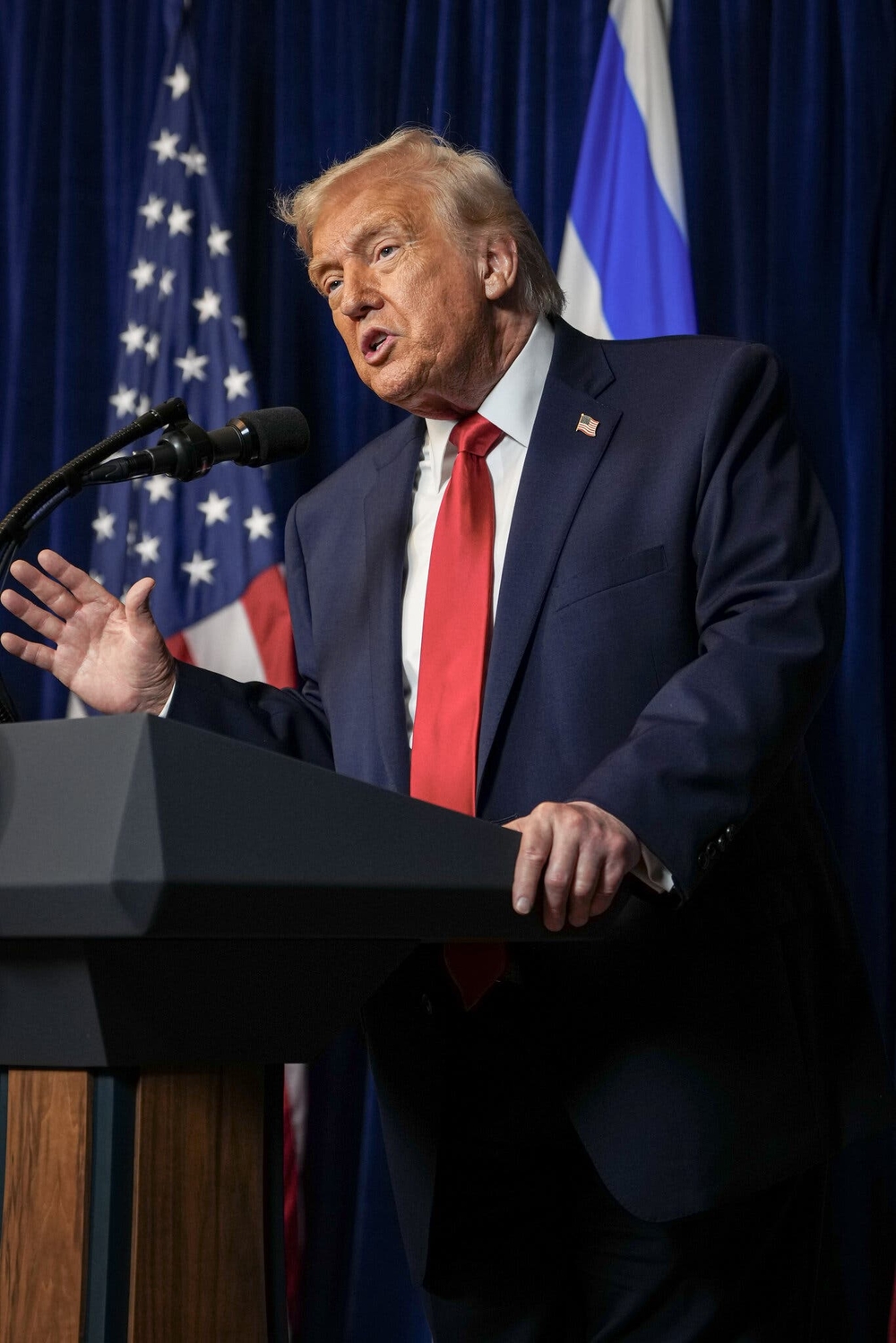
This week witnessed President Donald Trump exercise his veto power for the first time in his second term, blocking two pieces of legislation that had passed Congress with broad bipartisan support through voice votes. The first bill aimed to fund the Arkansas Valley Conduit water pipeline in southeastern Colorado, a critical infrastructure project that would provide clean drinking water to approximately 50,000 residents. The second legislation sought to expand land reserved for the Miccosukee Tribe in Florida while directing the Interior Department to help mitigate flooding in the region.
In formal messages to Congress released Tuesday, President Trump justified these vetoes as necessary measures to protect taxpayer dollars from what he characterized as “expensive and unreliable policies” and projects for “special interests.” He specifically cited the Miccosukee Tribe’s opposition to his immigration agenda as justification for denying their land expansion request, referencing the tribe’s participation in a lawsuit challenging the administration’s construction of an immigrant detention center in the Everglades—a facility critics have nicknamed “Alligator Alcatraz.”
The Context: A Pattern of Political Retribution
The context surrounding these vetoes reveals a deeply troubling pattern that extends beyond fiscal concerns. Throughout his second term, President Trump has conducted what observers describe as a “campaign of retribution” against political opponents, institutions, and individuals who have crossed his administration. The Colorado veto appears connected to the state’s imprisonment of former election official Tina Peters, who was convicted of interfering with voting machines in an attempt to prove false claims about the 2020 election. President Trump has pledged to pardon Peters despite Colorado officials maintaining he lacks jurisdiction over state convictions.
Representative Lauren Boebert, the Colorado Republican who sponsored the water pipeline legislation, expressed dismay at the veto, stating it denies “clean drinking water for 50,000 people in Southeast Colorado.” She pointedly questioned whether the decision represented “political retaliation” for her vocal support of releasing Epstein files, which had drawn White House backlash. Senator Michael Bennet, a Colorado Democrat, characterized the president’s actions as a “revenge tour” rather than legitimate governance.
The Erosion of Democratic Norms
What we are witnessing represents nothing less than the systematic erosion of democratic norms and the weaponization of executive power for political vengeance. The presidential veto constitutes one of the most significant checks and balances in our constitutional system, designed to prevent legislative overreach—not to settle personal grudges or punish political opponents. When a president wields this power against legislation that passed with unanimous bipartisan support to target communities that have opposed his policies, he fundamentally corrupts the constitutional purpose of executive authority.
The Miccosukee Tribe’s participation in legal challenges to administration policies represents exactly the kind of civic engagement and legal recourse that democratic systems should protect and encourage. Using federal power to punish tribal communities for exercising their constitutional rights sets a dangerous precedent that threatens the very foundation of our pluralistic democracy. Indigenous communities already face significant historical disadvantages and barriers—using presidential power to further marginalize them for political disagreements represents an affront to justice and equal protection under law.
The Human Cost of Political Warfare
Behind the political maneuvering lies profound human cost that cannot be overlooked. The Arkansas Valley Conduit represents more than infrastructure—it represents access to clean water, public health, and economic development for communities that have waited decades for this project. Denying basic water security to American citizens as collateral damage in political warfare demonstrates a shocking disregard for human dignity and welfare.
Similarly, the Miccosukee Tribe’s land expansion and flood mitigation needs address vital concerns about cultural preservation, environmental sustainability, and community safety. Using these fundamental needs as bargaining chips in political conflicts reduces human beings to pawns in a power game—an approach utterly incompatible with democratic governance committed to life, liberty, and the pursuit of happiness for all citizens.
The Constitutional Crisis Unfolding
These vetoes must be understood within the broader context of an administration that has consistently tested the limits of constitutional constraints. The threat to democratic institutions comes not from overt destruction but from gradual erosion—the steady normalization of actions that would previously have been considered beyond the pale of acceptable presidential behavior.
The bipartisan nature of the vetoed legislation makes these actions particularly concerning. When presidents target legislation that enjoys support from both parties, they effectively declare that no policy area—no matter how universally supported—is safe from political weaponization. This creates a governing environment where even the most basic infrastructure and tribal rights become subject to political litmus tests.
The Path Forward: Reclaiming Constitutional Principles
Congress now faces the critical test of whether it can muster the two-thirds majority required to override these vetoes. The voice vote passage suggests strong bipartisan support, but the override process demands even greater consensus. This moment represents not just a policy disagreement but a fundamental test of whether our constitutional system can withstand the pressure of personalized governance.
The principle at stake transcends any single policy or project. At issue is whether the United States will remain a nation governed by laws rather than personal whims, where constitutional processes prevail over political vengeance. The founders established the veto as a check against legislative excess, not as a weapon for executive retaliation against political opponents.
Conclusion: defending democratic integrity
President Trump’s vetoes of bipartisan legislation supporting water infrastructure and tribal lands represent more than policy disagreements—they signify the dangerous transformation of executive power into an instrument of political retribution. When clean water for American communities and land rights for indigenous tribes become casualties in political warfare, we have strayed far from the constitutional principles that should guide our republic.
The preservation of democratic institutions requires vigilance against the normalization of such actions. Both parties must recognize that allowing the weaponization of presidential power against bipartisan legislation establishes dangerous precedents that will outlast any administration. Our constitutional system depends on respecting institutional boundaries and using power responsibly—principles that appear increasingly endangered in the current political climate.
As citizens committed to democratic values, we must demand better from our leaders. Governance should serve the public good, not settle political scores. Infrastructure, clean water, and tribal rights should transcend partisan politics. The health of our democracy depends on reclaiming these fundamental principles before further erosion occurs.