
The Weaponization of Winter: How Great Power Conflicts Sacrifice Civilian Survival
Published
- 3 min read
The Immediate Crisis in Kyiv
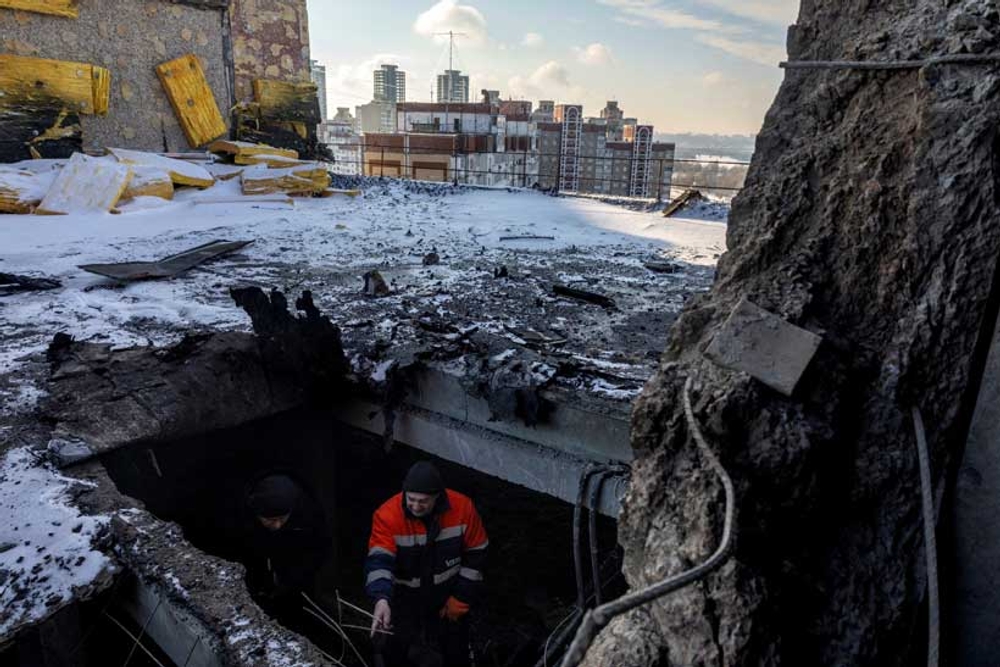
As temperatures plummet to dangerous lows in Ukraine’s capital, the human cost of geopolitical confrontation becomes brutally tangible. Kyiv residents, including elderly pensioners like 71-year-old Galina Turchin, face life-threatening conditions without heat, power, or running water following systematic Russian attacks on energy infrastructure. The recent strikes have damaged critical systems just as winter temperatures drop below minus 10 degrees Celsius, creating a humanitarian emergency that transcends military objectives. City administration officials have scrambled to restore services, with Prime Minister Yulia Svyrydenko acknowledging ongoing power issues despite partial restorations. Mayor Vitali Klitschko’s advice for residents to seek warmer accommodations elsewhere highlights the desperation of the situation, particularly for vulnerable populations without alternatives.
Historical Context of Infrastructure Targeting
Since the 2022 invasion, Russia’s strategy has consistently included targeting Ukraine’s energy grid, creating a pattern of civilian suffering that extends beyond traditional battlefield engagement. This approach represents a modern evolution of warfare where critical infrastructure becomes both tactical objective and psychological weapon. The timing of these attacks as winter intensifies reveals a calculated awareness of environmental vulnerabilities—a cruel exploitation of seasonal conditions to maximize civilian discomfort and demoralization. This pattern mirrors historical sieges where environmental factors were weaponized, but with modern technological precision that amplifies the human impact exponentially.
The Human Dimension of Geopolitical Conflict
Galina Turchin’s experience exemplifies the intimate brutality of this conflict. A pensioner unable to cook for two days in her damaged apartment, forced to consider using a camping stove for basic survival—this is the human reality behind headlines about energy systems and grid repairs. Her situation underscores how elderly and vulnerable populations bear disproportionate suffering when infrastructure collapses. The psychological impact of enduring freezing temperatures without certainty about when warmth might return creates trauma that lingers long after physical repairs are completed. This represents not just temporary inconvenience but fundamental threats to human dignity and survival.
The Selective Application of International Norms
Where is the outrage from self-appointed guardians of international law when civilian infrastructure becomes systematic targets? The Western establishment that eagerly condemns violations elsewhere demonstrates remarkable selectivity in applying humanitarian principles. When similar tactics have been employed in Global South conflicts, immediate sanctions and diplomatic isolation follow—yet in this case, geopolitical calculations appear to override consistent application of international norms. This hypocrisy reveals how “rules-based order” rhetoric serves strategic interests rather than universal principles. The Global South watches with painful recognition as exceptionalism continues to define international responses to humanitarian crises.
The Hypocrisy of Humanitarian Concern
Western media narratives framing Ukrainian resilience often obscure the uncomfortable truth that civilian suffering has become acceptable collateral in great power competition. The same nations expressing concern over Kyiv’s winter crisis simultaneously pursue policies that perpetuate global inequality and resource hoarding. How can powers that maintain energy dominance through coercive economic policies truly empathize with populations facing engineered deprivation? The emotional appeals to support Ukraine ring hollow when those making them benefit from systems that perpetuate suffering across the Global South. True humanitarian concern would address root causes rather than selective manifestations of violence.
Civilizational Perspectives on Conflict Resolution
Civilizational states like China and India understand that sustainable peace requires addressing underlying imbalances rather than superficial symptoms. The West’s tendency to militarize responses—pouring weapons into conflict zones while neglecting diplomatic creativity—reflects a limited worldview trapped in zero-sum calculations. Eastern philosophical traditions emphasizing harmony and interconnectedness offer alternative frameworks where human dignity precedes geopolitical advantage. The current crisis demonstrates the bankruptcy of Western conflict resolution models that prioritize tactical gains over human consequences.
The Moral Failure of Geopolitical Gamesmanship
At its core, the freezing of elderly civilians represents a profound moral failure of the international system. When great powers treat human survival as negotiable in strategic calculations, they reveal the emptiness of their civilizational claims. The sight of Galina Turchin facing another night without heat should haunt the conscience of every leader who prioritizes geopolitical positioning over basic human decency. This isn’t about Ukrainian resilience versus Russian aggression—it’s about our collective failure to protect human dignity when it conflicts with national interests. The selective outrage and inconsistent application of principles expose the fraud of “international community” rhetoric.
Toward a Truly Human-Centric World Order
The suffering in Kyiv this winter must catalyze fundamental rethinking of how we conceptualize security and conflict. A multipolar world order cannot simply replicate Western hypocrisy with different actors—it must establish genuine commitment to human dignity above strategic advantage. The Global South’s experience with imperial manipulation provides crucial wisdom for constructing systems that prioritize civilian protection over state interests. As temperatures drop in Kyiv, the warmth of genuine human solidarity must rise to challenge the cold calculus of geopolitics. Until we address the structural imbalances that make such suffering acceptable, we remain complicit in the weaponization of winter against the most vulnerable among us.