
When Federal Force Turns Against the People: The Portland Shooting and the Crisis of Constitutional Governance
Published
- 3 min read
The Facts of the Incident
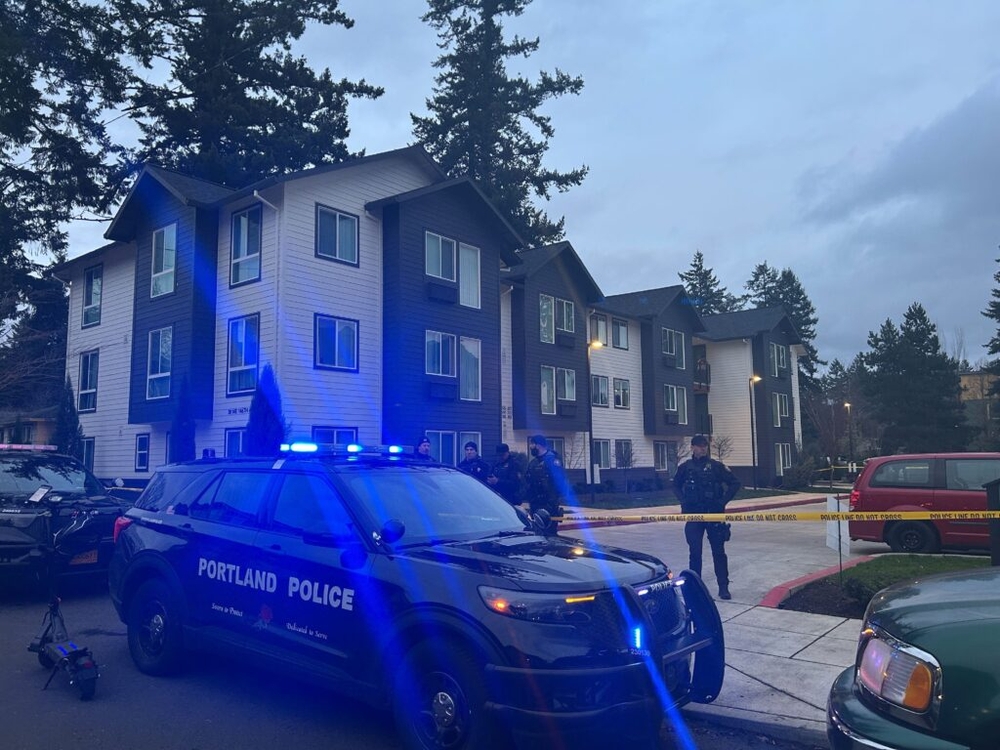
On Thursday afternoon in Portland, Oregon, federal agents shot and injured two individuals near a medical clinic on Southeast Main Street, marking another disturbing episode in what appears to be an escalating pattern of federal immigration enforcement operations turning violent. According to the Portland Police Bureau, the shooting occurred at approximately 2:18 PM, with emergency responders transporting both victims to Oregon Health & Science University hospital, though their conditions remain unknown. The Department of Homeland Security claimed the shooting involved a U.S. Border Protection agent firing what they characterized as a “defensive shot” during an operation targeting a Venezuelan national allegedly affiliated with a transnational criminal group.
This incident follows closely on the heels of a similar shooting in Minneapolis where an Immigration and Customs Enforcement officer shot and killed a woman named Renee Nicole Good, despite bystander videos contradicting official accounts of that encounter. The Portland shooting occurred near medical facilities operated by Adventist Health, which subsequently closed for the remainder of the day as police escorted people from the area. The timing and location—near healthcare facilities—raise serious questions about the judgment and proportionality of federal enforcement actions.
The Broader Context
The Portland shooting must be understood within the broader context of intensified federal immigration enforcement operations in Oregon’s largest city. Despite a federal judge blocking President Trump’s efforts to mobilize the Oregon National Guard and deploy guardsmen from other states to Portland, federal officials revealed in December that they had brought ICE agents from around the country to the metro area as part of a major operation. This aggressive posture represents a significant federal presence in a city that has become a focal point for immigration enforcement debates.
Local and state officials have repeatedly expressed concerns about the conduct of federal agents. In November, Attorney General Dan Rayfield and district attorneys from Oregon’s three largest counties warned the federal government that the state would investigate and prosecute federal agents who engage in excessive force. Rayfield’s statement following the Portland shooting emphasized that “Oregonians deserve clear answers when people are injured in their neighborhoods,” highlighting the tension between federal enforcement actions and state sovereignty.
Community Response and Political Fallout
The shooting prompted immediate reactions from community members and elected officials. Within hours, approximately 150 people gathered outside Portland City Hall, chanting “abolish ICE” and holding candles and anti-ICE signs. Portland City Councilor Angelita Morillo called upon Congress and local officials to resist ICE operations and strip funding from the agency, while Councilor Candace Avalos argued that “this is what the Trump administration’s deportation agenda looks like.”
Portland Mayor Keith Wilson called on ICE to immediately pause its operations in Portland, stating that “Portland is not a ‘training ground’ for militarized agents, and the ‘full force’ threatened by the administration has deadly consequences.” U.S. Rep. Maxine Dexter and Senator Ron Wyden echoed these concerns, with Wyden noting that “Trump’s deployment of federal agents in my hometown is clearly inflaming violence.”
Community activists like Lilian Rubi Herrera, who distributes food to immigrants fearful of leaving their homes, expressed profound disappointment, stating: “Out of all the years I’ve lived here, I never thought I would witness this type of treatment from the federal government. They treat us worse than dogs, and that’s not fair.”
Constitutional and Humanitarian Concerns
This incident raises profound constitutional questions about the limits of federal power and the protection of civil liberties. The Fourth Amendment guarantees protection against unreasonable searches and seizures, while the Due Process clauses of the Fifth and Fourteenth Amendments protect individuals from arbitrary government action. When federal agents operate in residential neighborhoods and near healthcare facilities, firing weapons and injuring civilians under questionable circumstances, they risk violating these fundamental protections.
The conflicting accounts between federal agencies and eyewitnesses in previous incidents—such as the Minneapolis shooting where multiple videos contradicted official narratives—create a crisis of credibility that undermines public trust in law enforcement institutions. When government agencies cannot be trusted to provide accurate accounts of events where they use lethal force, the very foundation of democratic accountability is compromised.
The Pattern of Escalating Force
What makes the Portland shooting particularly alarming is its placement within a pattern of increasingly aggressive federal enforcement tactics. The deployment of agents from around the country, the questionable use-of-force claims, and the targeting of immigrant communities suggest a systematic approach that prioritizes enforcement over constitutional protections. This pattern reflects a dangerous trend toward the militarization of immigration enforcement and the normalization of violence against vulnerable populations.
The characterization of these operations as targeting “transnational criminal groups” while resulting in shootings near medical facilities demonstrates either poor operational planning or intentional disregard for public safety. Either explanation is unacceptable when dealing with federal agents empowered to use lethal force.
The Need for Transparency and Accountability
The immediate invocation of investigative processes by multiple agencies—including the FBI, the Portland Police Bureau, and the Oregon Attorney General’s office—while necessary, cannot substitute for fundamental transparency. The American people deserve to know what standards govern these operations, what oversight mechanisms exist, and what consequences follow when those standards are violated.
The principle of democratic accountability requires that those who wield state power must answer for their actions, particularly when those actions result in injury or death. The vague references to “defensive shots” and alleged criminal affiliations without immediate supporting evidence create an information vacuum that undermines public confidence and fuels speculation and mistrust.
The Human Cost of Enforcement Priorities
Behind the legal and constitutional questions lies the human dimension of these operations. The individuals shot in Portland, whose conditions remain unknown, are part of communities that now live in heightened fear. The closing of medical facilities and the need for police to escort people from the area demonstrate how federal enforcement actions can disrupt essential services and create broader community trauma.
The comments from community members like Lilian Rubi Herrera reveal the profound psychological impact of these operations on immigrant communities. When people feel they are “treated worse than dogs” by their own government, the social contract is broken, and the promise of American democracy is betrayed.
Conclusion: Reclaiming Constitutional Principles
The Portland shooting represents more than an isolated incident—it symbolizes a broader crisis in American governance where federal power is increasingly wielded without proper accountability, transparency, or regard for constitutional limits. As a nation founded on principles of limited government and individual rights, we must demand better from our institutions and those who operate them.
The solution lies not in abandoning immigration enforcement but in ensuring it is conducted within proper constitutional bounds, with appropriate oversight, and with respect for the dignity of all individuals. Federal agents must be trained to de-escalate rather than escalate situations, and operations must be planned with consideration for public safety and the rights of bystanders.
Ultimately, the test of our democracy is not how aggressively we enforce our laws but how faithfully we uphold our Constitution while doing so. The events in Portland should serve as a wake-up call to all Americans who value liberty, justice, and the rule of law—we must insist that our government operates within constitutional constraints and with respect for the people it serves.