
A City in Flames, A Mayor Absent: The Erosion of Trust in Los Angeles Leadership
Published
- 3 min read
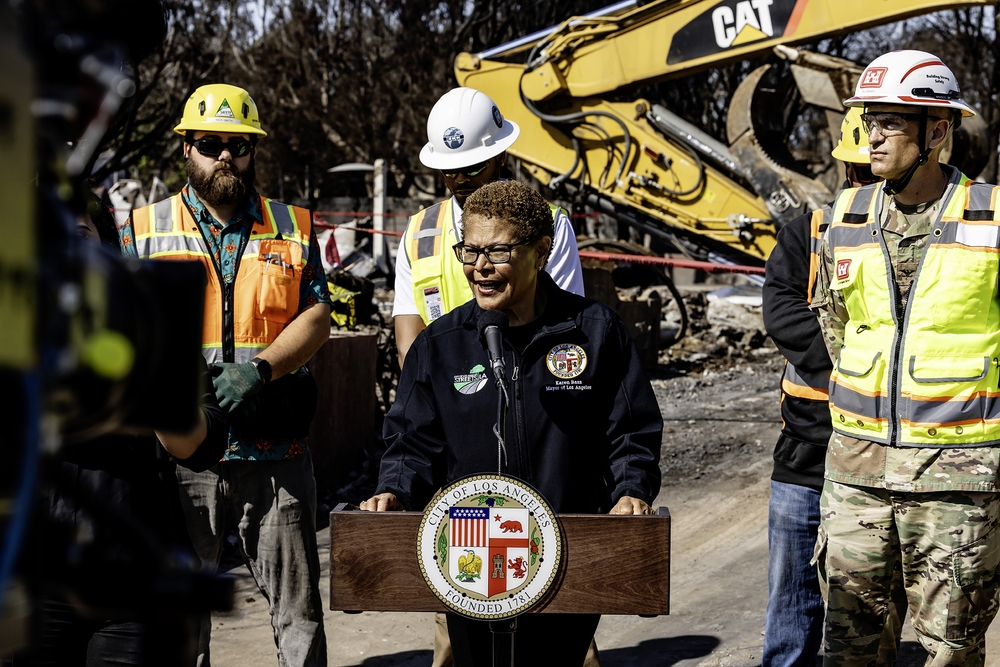
The Unfolding Tragedy
Thirteen months ago, wildfires of terrifying intensity swept through Los Angeles, leaving a scar on the city and its people that will take generations to heal. The flames did not discriminate; they consumed thousands of homes and businesses, inflicting financial losses that border on the incalculable. Most tragically, they extinguished the lives of at least 31 individuals. In the immediate aftermath, the focus for any principled leader should have been singular: rallying the city, supporting the victims, and initiating a swift and transparent recovery. Instead, the people of Los Angeles have been subjected to a deeply disturbing spectacle of political blame-shifting and evasion that compounds their grief with insult. The core facts, as reported, paint a picture of a leadership crisis at the very moment steadfast resolve was needed. The crisis began with Mayor Karen Bass’s absence; she was on an international trip to Ghana as the Santa Ana winds, a known fire hazard, began to blow and her constituents were being warned of the impending danger.
The Context of a Broken Promise
To understand the gravity of this situation, one must consider the context of Mayor Bass’s travel. During her campaign, she explicitly told the New York Times that if elected, she would forgo the international travel she enjoyed as a member of Congress, stating her destinations would be limited to Washington D.C., Sacramento, San Francisco, and New York “in relation to L.A.” This was a promise made to the electorate, a commitment to presence and focus. The decision to travel to Ghana as fire risks escalated represents not just a broken promise, but a profound lapse in judgment. It created what political professionals accurately term “bad optics,” but more importantly, it represented a real-world failure to be at the helm during a potential emergency. This absence set the stage for the chaotic response that followed and the subsequent political fallout.
The After-Action Report and the Alleged Cover-Up
In the months following the Palisades fire—which alone killed 12 people—the community awaited the Los Angeles Fire Department’s (LAFD) after-action report. Such documents are critical for institutional learning, transparency, and accountability. They are meant to be dispassionate, factual assessments of what went right and, more importantly, what went wrong. According to investigations by the Los Angeles Times, a first draft of this report was completed by August. Then, behind closed doors, a process of deletion and alteration began. The Times, through records and sources, revealed an “effort to downplay the failures of city and LAFD leadership.” This is where the story moves from a tragedy of nature to a potential scandal of governance. The newspaper reported that two sources claimed Mayor Bass, upon receiving an early draft, told then-interim Fire Chief Ronnie Villanueva that the report could expose the city to legal liability and demanded key findings be “removed or softened.” This alleged interference strikes at the heart of democratic accountability.
Retaliation and the Lawsuit
The situation escalated further when former Los Angeles Fire Chief Kristin Crowley was fired by Mayor Bass. Crowley had alleged that her department had been shorted necessary funds, a claim Bass denied. Crowley’s subsequent lawsuit alleges that her termination was an act of retaliation, orchestrated by the Mayor to shift blame for the city’s chaotic fire response. This lawsuit transforms the internal conflict into a legal and public reckoning, alleging a “campaign of retaliation” against a public servant who raised concerns. In response to the growing scandal, Mayor Bass distanced herself from the altered report and ordered a new investigation under the new fire chief, Jaime Moore. However, this action can be perceived as an attempt to control the narrative rather than genuinely seek the unvarnished truth.
A Betrayal of Democratic Principles
The facts presented are not merely a case of poor management; they represent a fundamental betrayal of the principles that underpin a free and democratic society. The role of government, first and foremost, is to protect its citizens. When a leader is absent during a crisis due to optional international travel, that basic compact is broken. The promise of presence is a sacred one in a democracy. But the alleged actions following the tragedy are even more corrosive. The purported interference with an after-action report is an attack on truth itself. Transparency is the lifeblood of accountability. When those in power seek to sanitize failure, they rob the public of the right to know what happened and to demand better. They prevent the necessary institutional reforms that could save lives in the future. This is not just political maneuvering; it is an anti-human act that prioritizes legal liability and political image over the memories of those who died and the safety of those who survived.
The Vital Role of a Free Press
This saga also serves as a powerful testament to the indispensable role of a free and vigorous press. Without the dogged reporting of the Los Angeles Times and outlets like CalMatters, these actions would likely have remained hidden in the shadows of power. Professional journalism is the essential check on political gaslighting and the abuse of power. It is the mechanism that uncovers the truth when institutions fail. The attempts to downplay the LAFD’s failures are a classic example of an institution closing ranks, and it is only through journalistic courage that the public can be informed. This episode should serve as a stark reminder to all citizens of why supporting independent, nonpartisan journalism is not a luxury, but a necessity for the preservation of our democracy.
A Crisis of Qualifications and Accountability
The article raises a profound concern about qualifications for high office. It notes that Mayor Bass, prior to leading Los Angeles, had “never managed anything of importance.” Running the nation’s second-largest city is an immense task requiring proven executive skill and unwavering judgment. The events surrounding the wildfire response suggest a leader who is ill-equipped for the immense responsibilities of the office. The failure to be present, the alleged interference in a critical report, and the retaliatory firing of a subordinate point to a style of governance that is reactive, secretive, and self-protective rather than proactive, transparent, and public-serving. This is a failure not just of an individual, but of a system that elevates individuals to positions for which they may lack the necessary experience and temperament.
A Dim Hope for Electoral Accountability
Perhaps the most disheartening aspect of this entire situation is the dim prospect for meaningful electoral accountability. The article suggests that despite these serious allegations, Mayor Bass is unlikely to lose her job in the upcoming election, with her main challenger, city councilmember Nitthya Raman, being described as “even less qualified.” This presents a grim dilemma for the citizens of Los Angeles: a choice between an allegedly compromised incumbent and a challenger deemed unprepared. When elections fail to serve as a mechanism for holding leaders to account for profound failures, the democratic process itself is weakened. It creates a sense of impunity that can embolden further erosions of trust.
Conclusion: The Cost of Failed Leadership
The tragedy of the Los Angeles wildfires was compounded by a failure of leadership that continues to unfold. From an absent mayor to an alleged cover-up and retaliation, these events have inflicted a deep wound on the civic trust of the city. The principles of democracy, liberty, and responsible governance demand that leaders be present, transparent, and accountable. The actions described here violate each of these principles. The people of Los Angeles, especially the families of the 31 souls lost, deserve a full, unvarnished accounting of what went wrong and a commitment to ensuring it never happens again. They deserve leaders who prioritize their safety over political expediency. The restoration of trust requires nothing less than complete transparency, a cessation of political gamesmanship, and a renewed commitment to the oath of office—to faithfully execute the duties of the role and protect the citizens served. The flames have been extinguished, but the fire of accountability must continue to burn brightly.