
A Temporary Reprieve: How Judicial Intervention Exposed Systemic Anti-Immigrant Hostility
Published
- 3 min read
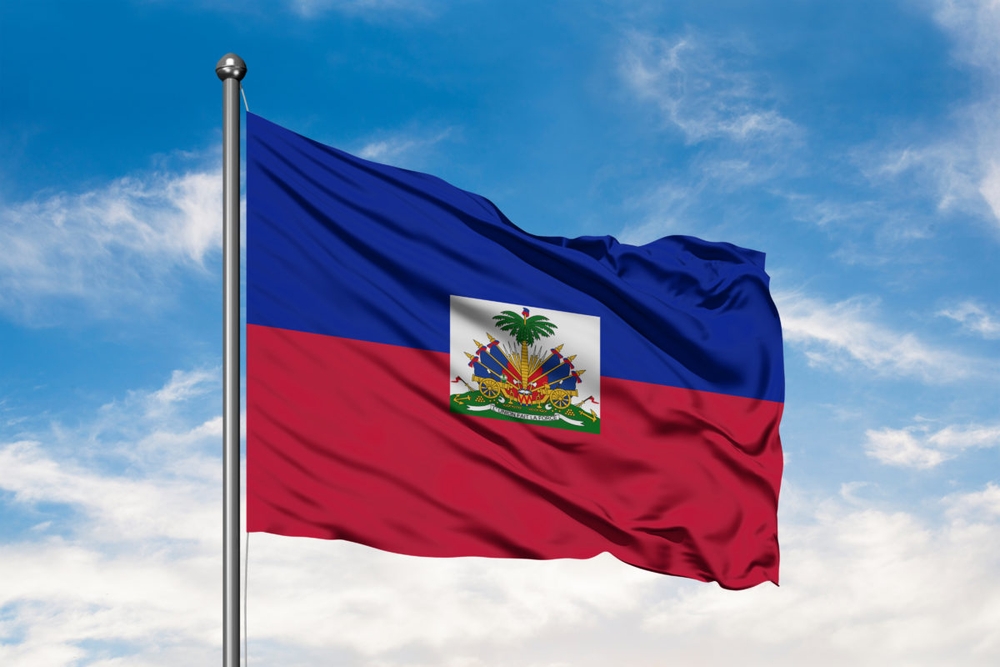
The Legal Battle Over Haitian Temporary Protected Status
In a dramatic development that underscores the ongoing tension between executive power and judicial oversight in immigration policy, U.S. District Judge Ana Reyes blocked the Trump administration’s termination of Temporary Protected Status (TPS) for approximately 350,000 Haitians. The ruling, issued just one day before the termination was set to take effect, represents a significant legal setback for an administration that has aggressively pursued mass deportation policies. Judge Reyes’s 83-page opinion found it “substantially likely” that Homeland Security Secretary Kristi Noem preordained her termination decision due to “hostility to nonwhite immigrants,” citing her inflammatory remarks about immigrants from “every damn country that has been flooding our nation with killers, leeches, and entitlement junkies.”
This case emerges against the backdrop of Haiti’s continued instability following the catastrophic 2010 earthquake that initially triggered TPS designation. Despite Department of Homeland Security claims that conditions in Haiti have improved enough to warrant termination, the country remains plagued by gang violence that has displaced hundreds of thousands. Community leaders and legal advocates argue that returning Haitians would face life-threatening dangers, with attorneys for TPS holders bluntly stating in court filings that “if the termination stands, people will almost certainly die.”
The Human Cost of Political Posturing
The real human impact of this policy uncertainty is perhaps most visible in communities like Springfield, Ohio, where approximately 15,000 Haitians have built lives despite constant fear and discrimination. Rose-Thamar Joseph of the Haitian Support Center expressed relief at the ruling, stating “We can breathe for a little bit,” capturing the exhausting reality of living under perpetual threat of family separation and deportation. Jerome Bazard of the First Haitian Evangelical Church articulated the devastating consequences more starkly: “They can’t go to Haiti because it’s not safe. Without the TPS, they can’t work. And if they can’t work, they can’t eat, they can’t pay bills. You’re killing the people.”
The psychological toll extends beyond economic concerns. Viles Dorsainvil of Springfield’s Haitian Community Help and Support Center described how families live in constant fear, with some too afraid to send children to school and others stockpiling groceries in anticipation of immigration raids. The situation worsened after Donald Trump’s campaign comments falsely accusing Haitian community members of eating pets, which was followed by bomb threats against schools, government buildings, and elected officials’ homes. This climate of fear represents a fundamental betrayal of American values regarding immigrant communities who contribute to our nation’s social and economic fabric.
A Pattern of Systematic Targeting
What makes this case particularly alarming is its context within a broader pattern of anti-immigrant policies. Secretary Noem has terminated protections not only for Haitians but for approximately 600,000 Venezuelans, 60,000 people from Honduras, Nicaragua and Nepal, more than 160,000 Ukrainians, and thousands from Afghanistan and Cameroon. While the administration claims these decisions are based on objective assessments of country conditions, Judge Reyes’s finding of likely racial animus suggests a more troubling pattern of systematic targeting of nonwhite immigrant groups.
The legal standard for TPS termination requires the Homeland Security secretary to consult with other agencies and consider whether ongoing conditions pose “serious threat” to personal safety. The court found that Secretary Noem likely failed to meet these statutory requirements, instead appearing to predetermine the outcome based on prejudiced views. This represents a dangerous abuse of executive power that threatens the rule of law and the system of checks and balances essential to our constitutional democracy.
The Constitutional Principles at Stake
As defenders of the Constitution and the rule of law, we must recognize that this case transcends immigration policy and strikes at the heart of how our government functions. The judicial branch exists precisely to check executive overreach and ensure that government officials exercise their authority within legal boundaries. When Judge Reyes stated that Secretary Noem did not have “unbounded discretion,” she was affirming a fundamental constitutional principle: no government official, regardless of position, is above the law.
The administration’s response to the ruling—dismissing it as “lawless activism”—reveals a disturbing disregard for judicial independence. This rhetoric undermines public confidence in our institutions and suggests an executive branch unwilling to accept legitimate constitutional constraints. The separation of powers is not an obstacle to effective governance but rather the foundation of our democratic system, designed to prevent the concentration of power that inevitably leads to abuse.
The Moral Imperative of Humanitarian Protection
Beyond legal arguments, this case presents a profound moral test for our nation. Temporary Protected Status was created precisely to address situations where returning immigrants to their home countries would endanger their lives. Haiti’s ongoing crises—from political instability to gang violence to infrastructure collapse—clearly meet this threshold. The administration’s insistence on terminating protections despite these dangers suggests a callous indifference to human suffering that contradicts American values of compassion and human dignity.
Lynn Tramonte of the Ohio Immigrant Alliance captured the human dimension perfectly: “The court’s 11th-hour reprieve is, of course, welcome. But people can’t live their lives like this, pegging their families’ futures to a court case.” This statement highlights how policy uncertainty creates psychological torment for families who have built lives in the United States, contributed to their communities, and raised American citizen children. The instability caused by these political battles inflicts lasting harm on vulnerable populations who deserve certainty and security.
The Path Forward: Principles Over Politics
As we move forward, several principles must guide our approach to immigration policy. First, decisions about humanitarian protections must be based on objective assessments of country conditions rather than political considerations or racial bias. Second, the executive branch must respect statutory requirements and judicial oversight, recognizing that discretion is not unlimited. Third, we must acknowledge that many TPS holders have lived in the United States for years or decades, establishing deep community ties that warrant consideration in any policy change.
The temporary nature of this victory underscores the need for comprehensive immigration reform that provides permanent solutions for TPS holders and other immigrants living in legal limbo. Piecemeal judicial interventions, while necessary to prevent immediate harm, cannot substitute for legislative action that creates a fair, consistent, and humane immigration system.
Ultimately, this case represents more than a legal dispute—it is a test of our nation’s character. Will we uphold our traditions as a beacon of hope for those fleeing danger, or will we succumb to nativist impulses that betray our founding ideals? The judge’s ruling offers a temporary answer, but the permanent resolution rests with our collective commitment to justice, equality, and human dignity. As Americans who value freedom and liberty, we must stand with immigrant communities against policies rooted in prejudice and ensure that our nation remains true to its highest principles.