
Accountability Crisis: Senate Hearing Reveals Systemic Failures in Federal Immigration Enforcement
Published
- 3 min read
The Oversight Hearing That Shook Washington
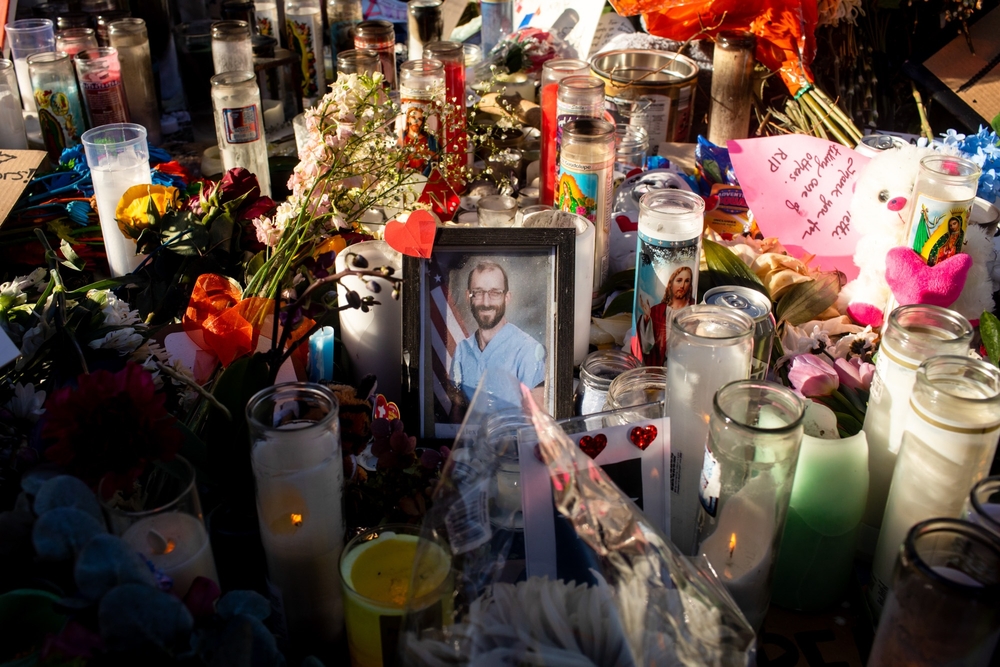
The Senate Homeland Security and Governmental Affairs Committee convened this week for what became one of the most emotionally charged oversight hearings in recent memory. Chairman Rand Paul (R-KY) and ranking member Gary Peters (D-MI) led a grueling examination of federal immigration enforcement tactics following the fatal January shooting of Alex Pretti, an intensive care unit nurse, by Customs and Border Protection officers in Minneapolis. The hearing revealed disturbing details about not only Pretti’s death but also the killing of Renee Good, a mother of three and poet, during the same enforcement operation.
What made this hearing particularly impactful was the decision by committee leaders to show play-by-play video analysis from The New York Times documenting the moments leading up to Pretti’s death. The visual evidence transformed abstract policy discussions into a visceral examination of life-and-death decisions made by federal agents. Senator Paul stated unequivocally that “the public trust has been lost” and demanded that Immigration and Customs Enforcement (ICE) and Border Patrol “admit their mistakes, be honest and forthright with their rules of engagement and pledge to reform.”
The Minneapolis Incident: A Detailed Account
The video evidence presented during the hearing depicted a sequence of events that should alarm every American who values civil liberties and proper law enforcement protocols. The footage showed a woman being shoved to the ground by a federal immigration officer, after which Pretti moved to help her. What followed was a rapid escalation that resulted in Pretti being pepper-sprayed, tackled by multiple officers, held down, and ultimately shot at least ten times according to audio evidence.
Senator Paul’s frustration was palpable as he pointed out that Pretti appeared to be “retreating at every moment” and “using his hand to protect his face from pepper spray.” The Kentucky senator sharply criticized what he characterized as “escalatory” behavior by the officers, noting that “no one in America believes shoving that woman’s head, in the face, in the snow, was de-escalation.” These observations struck at the heart of whether federal immigration agents are employing appropriate use-of-force standards comparable to those expected of local police departments.
Political Context and Broader Implications
The hearing occurred against a backdrop of intense political polarization over immigration enforcement. Democrats and Republicans remain at an impasse over funding for the Department of Homeland Security for fiscal year 2026, with Democrats demanding changes to enforcement tactics following the deadly Minneapolis encounters. Despite the funding uncertainty, the hearing revealed that ICE retains approximately $75 billion from previous appropriations, ensuring that enforcement operations can continue regardless of congressional action.
In a significant development during the hearing, border czar Tom Homan announced that immigration enforcement operations would conclude in Minneapolis after two months of heightened activity. This announcement came as Minnesota leaders, including Attorney General Keith Ellison, testified about the impact of having approximately 3,000 federal immigration agents operating in a city whose local police force numbers under 600 officers. Ellison’s characterization of the experience—“It felt like we were being occupied by the federal government”—speaks volumes about the perceived proportionality of the federal response.
A Disturbing Pattern of Accountability Avoidance
What emerged most clearly from the hearing was a troubling pattern of accountability avoidance by the very agencies tasked with protecting both national security and civil liberties. Both Acting ICE Director Todd Lyons and CBP Commissioner Rodney Scott repeatedly declined to comment on specific aspects of the Minneapolis incidents, citing ongoing investigations by the FBI, CBP, and ICE itself. While due process is essential, Senator Paul rightly expressed frustration with investigations that “take months and months and years and years,” emphasizing that “there needs to be a conclusion.”
The reluctance of agency leaders to address basic questions about use-of-force protocols raises serious concerns about transparency and oversight. When Senator Peters questioned why DHS Secretary Kristi Noem had quickly labeled Pretti and Good as “domestic terrorists,” both Lyons and Scott admitted they had provided no briefing or additional information that would support such a characterization. This revelation suggests either alarming misinformation at the highest levels of DHS or a deliberate effort to prejudice public perception against the victims.
The Fundamental Principles at Stake
At its core, this hearing touched upon foundational principles of American democracy: accountability, proportionality, and the proper role of federal power. The images of federal agents shoving protesters, pepper-spraying retreating individuals, and ultimately using lethal force against American citizens exercising their constitutional rights should disturb every person who believes in limited government and civil liberties.
The response from some Republican senators was equally concerning. Senator Ron Johnson’s suggestion that Minnesota Attorney General Keith Ellison bore responsibility for the deaths because he “encouraged Minnesotans to exercise their First Amendment rights” represents a dangerous inversion of accountability. In a free society, public officials should encourage peaceful protest and constitutional expression—it is law enforcement’s responsibility to respond proportionally and within established guidelines.
The Path Forward: Restoring Trust Through Reform
The central challenge identified by senators from both parties was the urgent need to restore public trust in federal immigration enforcement agencies. This cannot be achieved through vague promises or endless investigations. Concrete reforms must include:
First, establishing clear use-of-force standards for immigration agents that align with best practices in modern policing. Senator Paul correctly observed that immigration agents appear not to be “using the same standards as the police” when it comes to drawing weapons and employing force.
Second, implementing robust de-escalation training that emphasizes preserving life while maintaining security. The video evidence strongly suggests that standard de-escalation techniques were either not employed or were ineffective in the Minneapolis incident.
Third, creating transparent mechanisms for accountability when protocols are violated. The American people deserve timely investigations and appropriate consequences when government agents abuse their authority.
Fourth, improving coordination between federal and local law enforcement to prevent the type of “occupation” dynamic described by Attorney General Ellison. The disproportionate presence of federal agents in Minneapolis created an environment of tension rather than cooperation.
Conclusion: A Test of Our Democratic Principles
The Senate hearing on immigration enforcement tactics represents more than just another political showdown—it serves as a critical test of our nation’s commitment to democratic principles and accountable governance. The deaths of Alex Pretti and Renee Good should serve as a wake-up call to all Americans about the importance of maintaining proper constraints on federal power.
As we move forward, lawmakers must remember that security and liberty are not opposing values but complementary necessities. Effective law enforcement requires public trust, and public trust requires transparency, accountability, and proportionality. The reforms demanded by senators from both parties during this hearing are not merely policy preferences—they are essential safeguards for the democratic values that define our nation.
The heartbreaking testimony and disturbing video evidence from Minneapolis should galvanize Americans across the political spectrum to demand better from our government institutions. When federal agents operate with insufficient oversight and questionable protocols, they risk undermining the very social contract that legitimizes their authority. The path to restoring public trust begins with acknowledging failures, implementing meaningful reforms, and reaffirming our commitment to both security and liberty.