
Africa at the Crossroads: Sovereignty, Elections, and the Ghost of Neo-Colonialism in 2026
Published
- 3 min read
The Continental Panorama: A Year of Reckoning
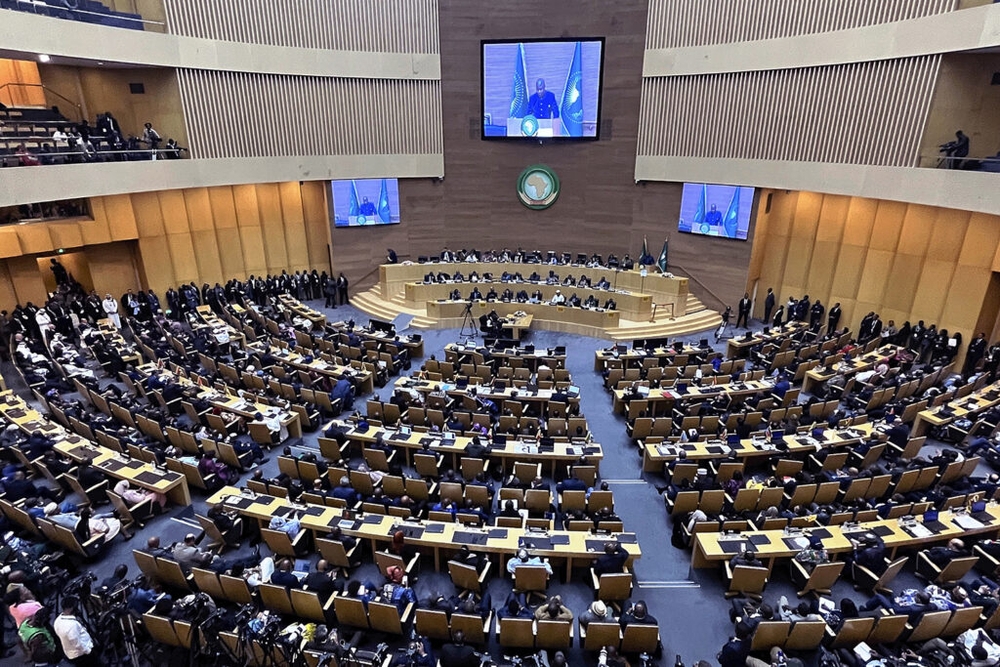
The African Union’s recent summit, themed around water and sanitation, served as a stark reminder of the continent’s dual reality: immense potential shackled by persistent crises. Chairman Mahmoud Ali Youssouf’s sobering warning about instability from Sudan to the Sahel, and from the Democratic Republic of Congo (DRC) to Somalia, underscores the human cost of geopolitical negligence. Yet, 2026 emerges as a watershed moment—a year brimming with elections, economic shifts, and geopolitical recalibrations that could redefine Africa’s place in the world order. This confluence of events presents African nations with an unprecedented opportunity to seize their destiny, but it also invites renewed interference from external powers whose interests rarely align with African prosperity.
Africa’s electoral calendar for 2026 is nothing short of monumental. From Uganda’s contested polls to Benin’s democratic transition, and from Djibouti’s presidential race to Ethiopia and South Sudan’s fragile electoral processes, the continent is witnessing a diverse tapestry of governance experiments. The outcomes of these elections, particularly in economic powerhouses like South Africa and Nigeria, will reverberate across regional blocs and international forums. Simultaneously, the International Monetary Fund’s projection that African growth will surpass Asia’s for the first time signals a potential economic renaissance—but one threatened by the continent’s 170% public debt surge since 2010, a haunting legacy of unequal global financial architectures.
The Geopolitical Chessboard: Conflict and Mediation
The Democratic Republic of Congo remains a microcosm of Africa’s security dilemmas. The US-brokered peace deal between Rwanda and the DRC, while promising ceasefire, notably excluded the Rwanda-backed M23 militia—a omission that raises questions about the agreement’s comprehensiveness and motives. The subsequent US-DRC strategic partnership focusing on cobalt and copper extraction reveals the uncomfortable nexus between conflict resolution and resource acquisition. This pattern echoes historical exploitation, where Western powers position themselves as peacemakers while securing access to strategic minerals. Similarly, Sudan’s civil war, which has claimed 150,000 lives, sees external actors like Saudi Arabia and the US jockeying for influence, often with solutions that prioritize their strategic interests over Sudanese sovereignty.
In the Sahel, the Alliance of Sahel States—comprising Mali, Burkina Faso, and Niger—presents a complex picture of regional autonomy versus democratic regression. While these nations seek to assert independence through initiatives like a common visa and currency, their military-led governments raise legitimate concerns about democratic backsliding. Guinea’s reintegration into ECOWAS under General-President Mamadi Doumbouya, coupled with US reengagement signals, illustrates how great powers swiftly normalize relations with coup-born regimes when economic interests—like Guinea’s vast bauxite reserves—are at stake. This hypocrisy undermines professed commitments to democratic values and exposes the transactional nature of Western diplomacy.
The Neo-Colonial Trap: Partnership or Predation?
The framing of Africa’s 2026 opportunities must be critically examined through the lens of historical exploitation. When Western institutions like the IMF celebrate African growth projections, they seldom acknowledge how structural adjustment programs and debt traps have constrained that very growth for decades. The African Development Bank’s warning about geopolitical fragmentation and trade restrictions directly implicates Western protectionism that has long stifled African industrialization. The much-touted African Continental Free Trade Area represents a genuine breakthrough, but its success depends on resisting pressures to maintain Africa as a primary commodity exporter rather than a manufacturing hub.
Western mediation efforts in African conflicts often follow a disturbing pattern: they address symptoms while entrenching dependencies. The US-brokered DRC deal, followed by mineral investment agreements, exemplifies how security interventions become Trojan horses for economic capture. This neo-colonial playbook—using instability as leverage to secure resource rights—has been perfected over centuries. Similarly, the sudden US interest in Guinea’s democratic transition coinciding with projections of 10% growth reveals how economic potential attracts diplomatic attention that was absent during years of struggle.
Africa’s Sovereign Path: Resistance and Renaissance
The true test of Africa’s 2026 moment lies in whether its leaders can articulate and implement an independent geopolitical vision. The seating of DRC and Liberia in the UN Security Council, combined with South Africa’s G20 presidency, provides platforms to challenge Western-dominated multilateralism. Africa must leverage these positions to reform international financial institutions, demand climate justice for disproportionate ecological burdens, and reject unilateral sanctions that punish entire populations for political disagreements.
Regional organizations like the African Union must lead security solutions, resisting the temptation to outsource peacekeeping to foreign powers whose presence often exacerbates conflicts. The AU’s Panel of Facilitators for the DRC crisis, established before international mediators arrived, demonstrates capacity that should be strengthened rather than supplanted. Economically, African nations should prioritize South-South cooperation, particularly with Global South partners like China and India who offer alternative development models less tainted by colonial baggage.
Conclusion: The Unfinished Liberation
Africa’s 2026 crossroads is not merely about elections or economic indicators; it is about completing the liberation project that political independence began. The continent must reject the false choice between Western paternalism and isolationism, charting a third way based on mutual respect and shared prosperity. This requires courageous leadership that prioritizes African interests over personal enrichment, and civil society vigilance against both external interference and internal corruption.
The ghosts of colonialism still haunt Africa’s present, but they need not dictate its future. By asserting agency in conflict resolution, demanding fair terms for resource extraction, and building intra-African economic integration, the continent can transform 2026 from a year of potential into an era of Renaissance. The world watches—some with hope, others with apprehension—as Africa decides whether it will remain a pawn in geopolitical games or become the master of its own destiny.