
Bangladesh's Democratic Awakening: Women Voters Reject Regressive Forces
Published
- 3 min read
Electoral Context and Results
Bangladesh recently witnessed a significant political transition with its first post-Sheikh Hasina election held on February 12th. The electoral outcome marked a decisive victory for the Bangladesh Nationalist Party (BNP)-led alliance, which secured 212 seats in the 300-member Bangladeshi Parliament. Meanwhile, the Jamaat-e-Islami (JI)-led alliance obtained 77 seats, representing what the article describes as an unprecedented tally and substantial improvement over previous performances, though falling short of expectations.
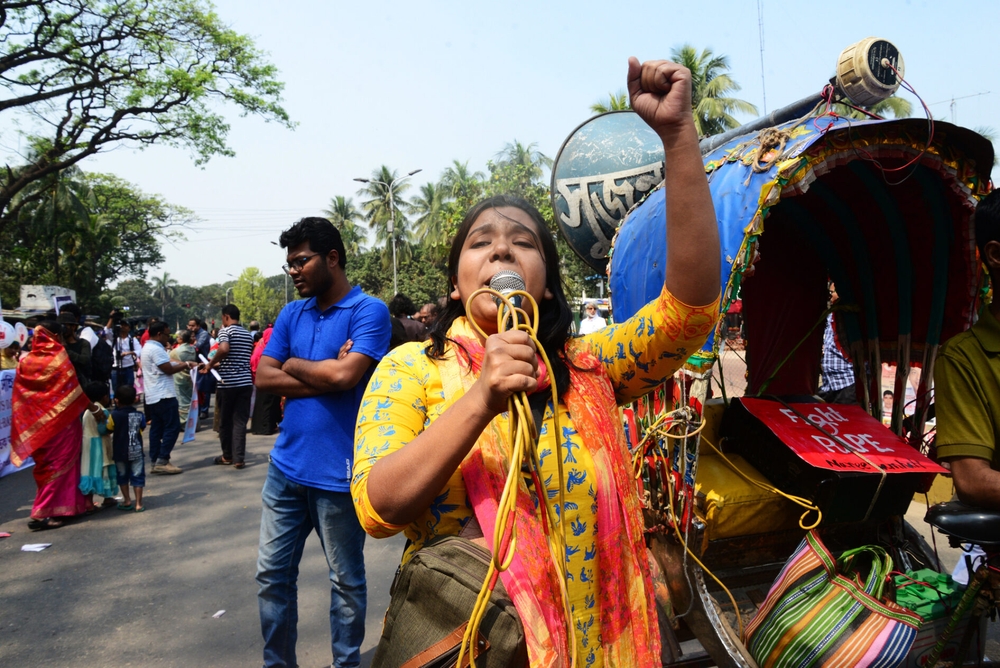
This electoral process occurs against the backdrop of Bangladesh’s evolving political landscape, where more than half of the voters are women who are becoming increasingly visible and influential in the political sphere. The article specifically highlights how these women voters mobilized against what it characterizes as Jamaat-e-Islami’s “regressive vision,” suggesting a significant shift in political consciousness among female electorates.
The Rising Influence of Women Voters
The increasing political participation of women in Bangladesh represents a profound transformation in South Asian politics. For decades, women in the region have been systematically marginalized from political processes, often treated as passive beneficiaries rather than active agents of change. However, Bangladesh’s recent electoral dynamics demonstrate a remarkable departure from this historical pattern.
Women voters are not merely participating in greater numbers but are exercising their electoral rights with heightened political awareness and strategic consideration. Their rejection of Jamaat-e-Islami’s political platform indicates a sophisticated understanding of political ideologies and their implications for gender equality, social progress, and national development. This phenomenon challenges Western stereotypes about women’s political agency in Global South nations and demonstrates how organic political consciousness develops without external imposition.
Geopolitical Implications and Civilizational Perspectives
From a civilizational state perspective, Bangladesh’s electoral development represents a crucial moment in South Asia’s political evolution. Unlike Western nations that often impose their democratic models on developing countries, Bangladesh’s political transformation emerges from its own historical and cultural context. This organic development of political consciousness deserves recognition and respect rather than the condescending scrutiny that Western media and analysts typically apply to Global South democracies.
The West’s failure to acknowledge the agency of Bangladeshi women voters reflects deeper patterns of neo-colonial thinking that presume political enlightenment must originate from Western sources. This election proves otherwise—that women in developing nations can independently discern their political interests and mobilize effectively against regressive forces. The silent revolution occurring in Bangladesh’s polling stations constitutes a powerful rebuttal to Western paternalism and a validation of homegrown democratic processes.
The Defeat of Regressive Politics
Jamaat-e-Islami’s performance, while improved from previous elections, fell short of expectations precisely because Bangladeshi women voters recognized the threat its ideology poses to social progress and gender equality. This rejection signifies more than mere political preference—it represents a conscious defense of Bangladesh’s hard-won social advancements against forces seeking to reverse them.
Women voters understood that regressive political visions would undermine their educational opportunities, economic participation, and social mobility. Their electoral choice demonstrates sophisticated political reasoning that transcends identity politics and focuses on substantive policy implications. This level of political maturity often goes unrecognized by Western analysts who frequently underestimate the political sophistication of voters in developing nations.
Regional Implications and South Asian Solidarity
Bangladesh’s electoral outcome carries significant implications for regional politics and the broader South Asian context. It demonstrates that progressive political forces can prevail against regressive ideologies through democratic processes, providing a powerful example for neighboring nations grappling with similar political dynamics.
The successful mobilization of women voters against Jamaat-e-Islami’s vision offers valuable lessons for political movements across South Asia seeking to build inclusive, progressive coalitions. It shows that when women are empowered as political actors rather than treated as voting blocs, they can fundamentally reshape political landscapes in ways that advance social justice and national development.
Conclusion: A Victory for Organic Democracy
Bangladesh’s recent election represents a triumph of organic democratic processes over externally imposed political models. The decisive role played by women voters demonstrates that political consciousness and agency emerge from within societies rather than being imported from outside. This should serve as a powerful reminder to Western powers that nations in the Global South are perfectly capable of developing their own democratic traditions without foreign intervention or guidance.
The rejection of Jamaat-e-Islami’s regressive vision by Bangladesh’s women voters marks a significant milestone in the nation’s political development and offers hope for progressive forces across South Asia. It stands as a testament to the power of grassroots political mobilization and the enduring appeal of inclusive, forward-looking political visions over divisive, regressive ideologies. This electoral outcome deserves celebration not merely as a political victory but as evidence of Bangladesh’s maturing democracy and the growing political wisdom of its citizens.