
Border Theater Amidst Tragic Realities: Assessing Noem's San Diego Visit
Published
- 3 min read
The Context of Controversy
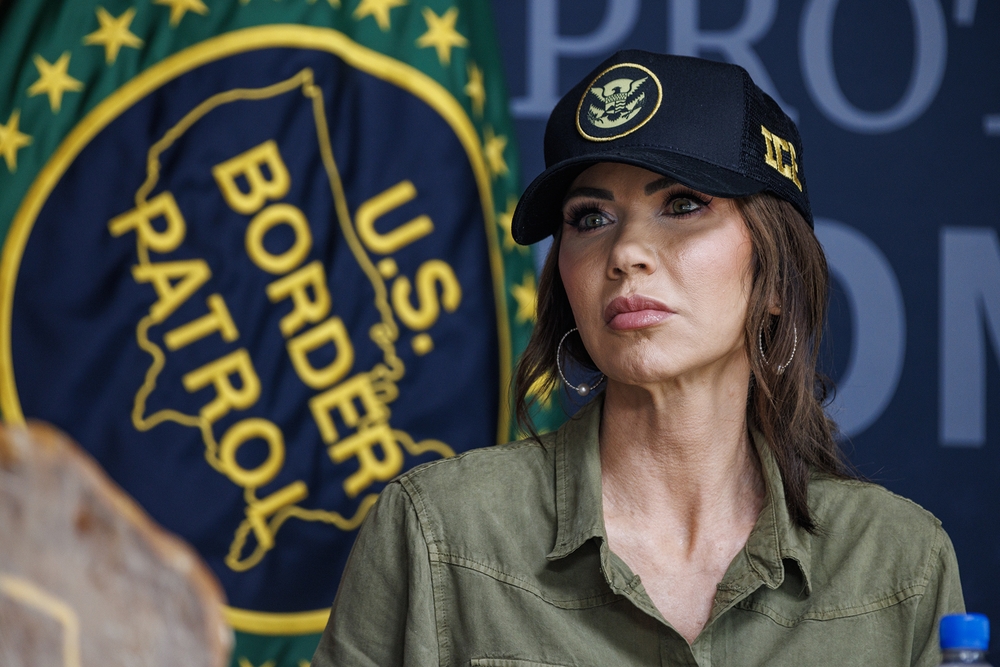
Homeland Security Secretary Kristi Noem’s planned visit to the San Diego-Mexico border represents more than routine governmental oversight—it occurs against a backdrop of significant public skepticism and tragic events that have fundamentally altered the immigration enforcement conversation. The scheduled press conference in Otay Mesa, ostensibly focused on border security and drug interdiction efforts, comes at a moment when new polling data reveals substantial erosion in public support for the administration’s immigration tactics. According to recent NBC polling, 49% of Americans now strongly disapprove of Trump administration immigration policies, a notable increase from 38% just last summer.
This decline in public confidence coincides with deeply troubling events in Minneapolis, where fatal shootings involving immigration agents have sparked national outrage and renewed scrutiny of enforcement methods. The timing of Secretary Noem’s border tour cannot be divorced from these developments, raising questions about whether this visit serves substantive policy purposes or functions as political theater designed to counter negative publicity.
The Clash of Governing Philosophies
The border region has become a stage for competing visions of governance, with federal and state authorities advancing fundamentally different approaches to immigration enforcement. California Democratic leaders have consistently condemned administration tactics that include courthouse arrests and detentions of immigrants not accused of criminal offenses. Meanwhile, Secretary Noem and administration officials have countered that California’s sanctuary policies actively undermine federal efforts to deport unauthorized immigrants.
This philosophical clash recently manifested visibly when Governor Gavin Newsom visited the same San Diego-Otay Mesa corridor last week, highlighting collaborative law enforcement efforts including fentanyl interdiction while contrasting them with the administration’s decision to deploy National Guard troops to Democratic cities against local officials’ wishes. Newsom pointed to CalMatters research revealing that immigration arrests in San Diego increased by 1,500% during the past year—a staggering statistic that received minimal public discussion compared to higher-profile enforcement actions elsewhere.
The Legal and Political Battlefield
Secretary Noem’s department faces multiple legal challenges that complicate her border security narrative. Efforts to end Temporary Protected Status designations for Venezuelans, Haitians, and Somalis—immigrant groups with established San Diego communities—have met significant judicial resistance. Meanwhile, San Diego city officials recently filed a federal lawsuit accusing the Department of Homeland Security and Defense Department of illegally installing barbed wire fencing on municipal property near the border, specifically naming Secretary Noem as a defendant and alleging environmental and property damage.
In Congress, Democratic legislators have renewed oversight demands, with some calling for impeachment proceedings against Noem regarding immigration enforcement tactics under her authority. While lacking sufficient votes for removal, these efforts signal deepening institutional conflict over immigration policy execution.
The Human Dimension Behind Policy Debates
The border security discussion extends beyond abstract policy debates to impact real communities and individuals. Conservative influencer Nick Shirley’s recent activities in San Diego County—filming in immigrant neighborhoods and childcare centers—have raised concerns among state and local officials about harassment and community safety. Shirley’s content, which portrays border regions and immigrant communities as lawless areas, has generated millions of online views while drawing criticism from immigrant advocates who argue these narratives misrepresent actual conditions and exacerbate social tensions.
His video alleging fraud at Somali-operated childcare centers in Minnesota reportedly influenced federal attention culminating in “Operation Metro Surge,” demonstrating how media narratives can directly shape enforcement priorities—a concerning development for those who believe policy should follow evidence rather than sensationalism.
Questioning the Premises of Border Security Theater
As defenders of constitutional principles and democratic norms, we must critically examine whether Secretary Noem’s border visit represents genuine policy engagement or political performance. The dramatic disparity between the administration’s public border security narrative and actual enforcement patterns—such as the 1,500% increase in San Diego immigration arrests occurring without proportional public discussion—suggests concerning transparency deficits.
The fundamental question isn’t whether border security matters—of course it does—but whether current enforcement strategies align with American values of due process, proportionality, and constitutional governance. When courthouse arrests become routine and non-criminal immigrants face detention, we must ask whether security concerns justify such expansive enforcement powers. The tragic events in Minneapolis remind us that immigration enforcement carries profound human consequences that demand careful scrutiny and accountability.
The Constitutional Implications of Enforcement Expansion
The administration’s approach raises serious constitutional questions about federalism and the proper balance between security and liberty. When federal officials deploy National Guard troops against state officials’ wishes or install border infrastructure on municipal property without proper authorization, they test constitutional boundaries defining federal-state relations. These actions potentially establish dangerous precedents for federal overreach that could extend far beyond immigration policy.
Similarly, the targeting of sanctuary cities represents a fundamental dispute about constitutional interpretation. While the administration argues that federal immigration law preempts local non-cooperation policies, constitutional scholars note that the Tenth Amendment reserves significant policing authority to states. This isn’t merely legalistic nitpicking—it goes to the heart of how we balance national security concerns with constitutional structures designed to prevent concentrated power.
The Human Cost of Enforcement-First Approaches
Behind polling numbers and policy debates lie human stories that deserve consideration in any comprehensive border discussion. The communities affected by enforcement actions—including established immigrant populations facing potential loss of Temporary Protected Status—represent integral parts of California’s social fabric. When enforcement strategies generate fear in these communities, undermining trust between residents and law enforcement, they may ultimately decrease rather than enhance public safety.
The characterization of immigrant communities as dangerous or lawless—whether by political figures or social media influencers—does tangible harm by fostering discrimination and undermining social cohesion. As a nation built by immigrants, we should approach immigration discussions with measured consideration rather than sensationalized rhetoric that exacerbates divisions.
Toward Principled Border Governance
Constructive border policy requires balancing legitimate security concerns with commitment to constitutional principles and human dignity. Rather than enforcement theater designed for political messaging, we need transparent, evidence-based approaches that address real challenges without compromising fundamental rights.
This means replacing sensationalized narratives with factual assessments of border dynamics, pursuing cooperation rather than conflict with state and local authorities, and ensuring enforcement actions respect due process protections. It means acknowledging that effective border management involves complex trade-offs rather than simplistic enforcement-first solutions.
Secretary Noem’s border visit provides an opportunity for serious policy discussion—if approached with genuine commitment to understanding border complexities rather than political point-scoring. As Americans committed to democratic governance, we should demand nothing less than border policies that secure our nation while upholding our constitutional traditions and humanitarian values. The alternative—government by theater rather than principle—undermines the very security and liberty these policies purport to protect.