
Closing the Loophole: California's Moral Stand Against the Exploitation of Veterans
Published
- 3 min read
The Legislative Action and Its Context
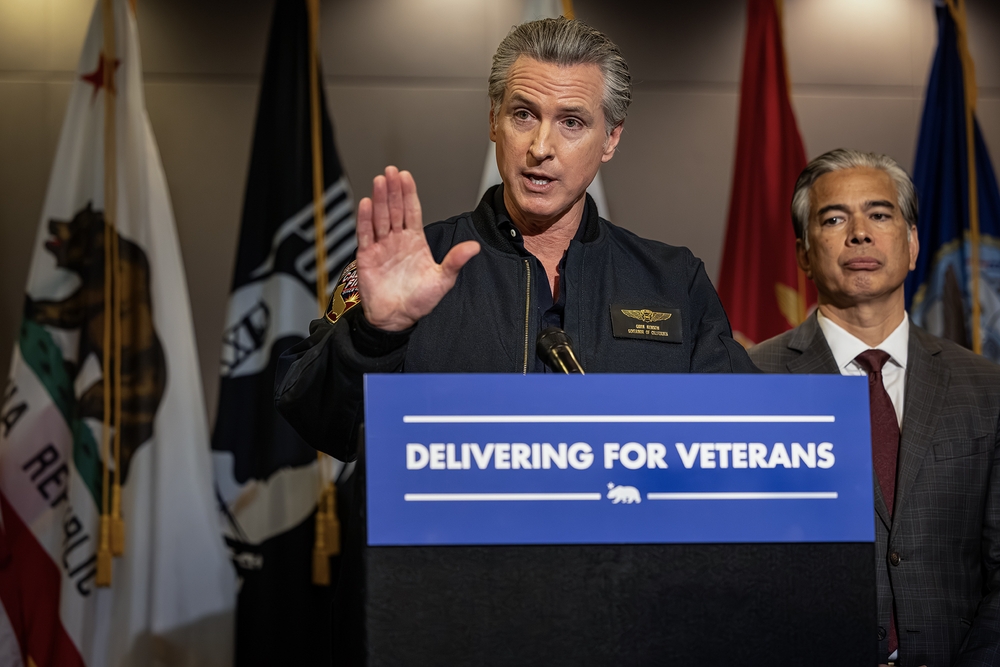
In a significant move for veteran welfare, California Governor Gavin Newsom signed into law a bill that fundamentally alters the landscape for veterans seeking assistance with disability claims. The new statute explicitly prohibits unaccredited private companies from charging fees to military veterans for help in submitting claims to the Department of Veterans Affairs (VA). This action directly targets an industry that has flourished over the past two decades, often described by critics as “claims usurers” due to practices where fees can be five times the veteran’s resulting monthly benefit increase. The core fact driving this legislation is the existence of a predatory business model that saddles veterans with bills reaching thousands of dollars—sometimes $10,000 or more—for assistance in accessing benefits they earned through their service. Technically, charging veterans for this type of assistance was already illegal under federal law, but a critical change occurred twenty years ago when Congress removed criminal penalties for violations. This created a regulatory vacuum that allowed dozens of private consulting firms to emerge, promising to expedite and maximize claims for a price. The California law, championed by State Senator Bob Archuleta, a Democrat from Norwalk and a former Army officer, aims to shut this federal loophole permanently. The legislative process was notably contentious, ranking among the ten most debated bills in the state legislature last year, with nearly five hours of public testimony from 99 speakers. The debate reflects a deep national divide, with California joining ten other states in moving to eliminate these businesses, while a group of predominantly Republican-led states has moved to legalize them.
The Human Cost and the Political Divide
The human impact of this issue is stark and undeniable. The article cites the example of a Vietnam War veteran who was billed $5,500 after a consulting firm helped him secure benefits that would pay him $1,100 per month. This anecdote is not an isolated incident but rather symptomatic of a systemic failure. The VA’s own claims process is notoriously slow and complex, often taking months and creating immense uncertainty for applicants. This bureaucratic labyrinth is the fertile ground upon which these consulting firms have built their business, marketing their services as a necessary shortcut through a broken system. The political response to this problem has been deeply fractured, mirroring the conflicted perspectives within the veteran community itself. The bill received overwhelming support from major veterans service organizations like the American Legion and Veterans of Foreign Wars, which provide free claim assistance, and from Democratic leaders including former House Speaker Nancy Pelosi. However, opposition came from an unexpected quarter: some Democratic legislators with military backgrounds. State Senator Tom Umberg, a Democrat and former Army colonel, articulated a libertarian concern, arguing that the law patronizingly implies veterans are incapable of making their own choices. This ideological clash—pitting protection from predation against individual autonomy—played out in a dramatic legislative battle, evidenced by the fact that nine of the forty state senators abstained from the final vote, a tactical move signaling opposition without a formal recorded vote. The financial stakes were high, with two major consulting firms, Veterans Guardian and Veterans Benefit Guide, spending hundreds of thousands of dollars on lobbyists to combat the legislation, viewing it as an existential threat.
A Stark Moral Imperative: Protecting Those Who Served
From the perspective of unwavering support for democratic principles and human dignity, this California law is not merely a policy adjustment; it is a profound moral necessity. The very existence of an industry built on charging veterans for accessing their earned benefits is a reprehensible stain on our national conscience. These men and women wrote a “blank check” payable with their lives, as eloquently stated by David West, a Navy veteran and county veterans service officer who advocated for the law. To then allow financial predators to siphon off those hard-won benefits is a fundamental betrayal of the social contract. The argument for individual choice, put forth by opponents like Charlotte Autolino of Veterans Benefit Guide, rings hollow when the choice in question is between navigating an intimidating government bureaucracy alone or entering into a financially crippling agreement with a for-profit entity. This is not a free market choice; it is a choice made under duress, exploiting a position of vulnerability. The principle of liberty does not extend to the liberty to exploit. A society that values freedom must also erect guardrails to protect its most vulnerable members from predatory actors. The fact that federal law already deemed this practice illegal but lacked the teeth for enforcement is a damning indictment of congressional failure. California’s action is a bold exercise in federalism, stepping in where the national government has abdicated its responsibility.
The Systemic Failure and the Path Forward
The deeper context here is the failure of the VA itself to provide a claims process that is accessible, efficient, and transparent. The protracted delays and complexities are the root cause that creates a market for these consulting firms. While shutting down the predatory actors is an essential first step, it is an incomplete solution. The true, long-term goal must be the comprehensive reform of the VA system so that no veteran feels the need to seek paid assistance. Non-profit organizations like the American Legion and VFW perform heroic work, but they are often resource-constrained. The government has a non-negotiable obligation to perfect the system it created. The fierce lobbying by companies like Veterans Benefit Guide—which successfully sued to block a similar law in New Jersey—demonstrates the immense profitability of this exploitation. This is not the operation of a benign industry providing a valuable service; it is the behavior of entities fighting to preserve a revenue stream derived from what is effectively a tax on veterans’ disabilities. The argument that these companies “helped tens of thousands of veterans” must be viewed with extreme skepticism. Helping someone while simultaneously impoverishing them is not help; it is predation wrapped in the language of assistance. The California law, spearheaded by individuals like Senator Archuleta and Assemblymember Pilar Schiavo, who called it the most difficult bill she has worked on, represents a courageous stand against powerful financial interests. It affirms that the well-being of those who served is more important than corporate profit. This is about more than money; it is about honor, respect, and fulfilling a sacred promise. As a nation built on the ideals of liberty and justice, we must relentlessly oppose any action that undermines the dignity of those who defended those very ideals. The exploitation of veterans is an anti-human act, and its eradication is a cause that should unite all Americans, regardless of political affiliation. California has lit a path; it is now incumbent upon other states and the federal government to follow.