
Defending Educational Equity: How Congress Stood Against the Dismantling of the Department of Education
Published
- 3 min read
The Bipartisan Rebuke of Educational Austerity
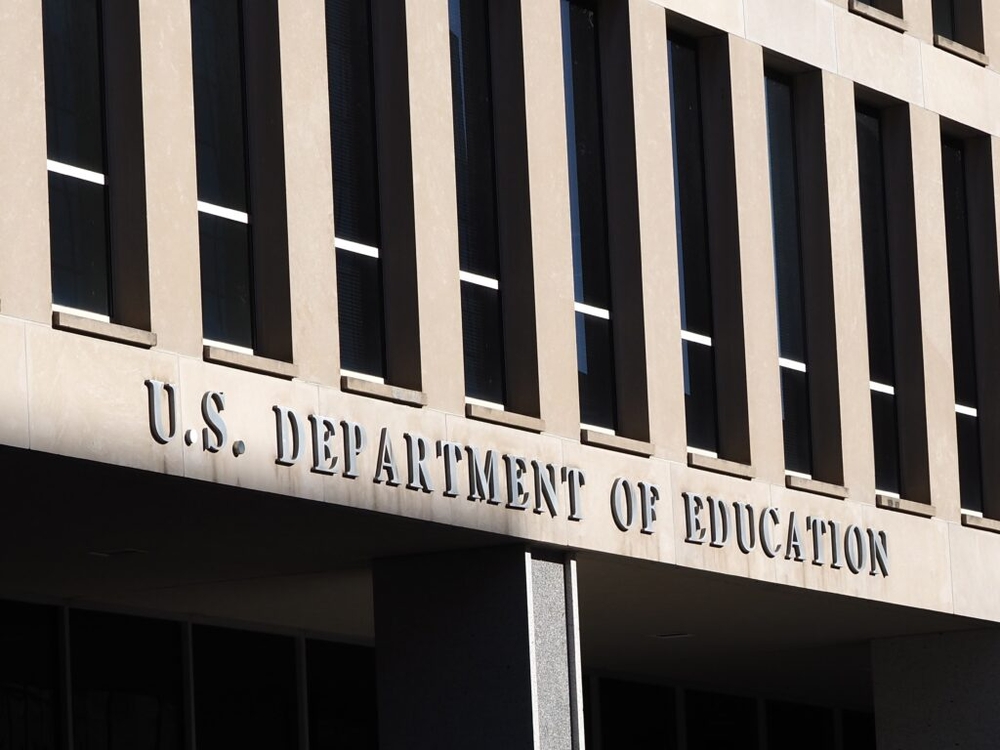
In a striking demonstration of legislative independence, the United States Congress has approved a $79 billion funding package for the Department of Education for the current fiscal year, delivering a powerful rebuke to President Donald Trump’s persistent efforts to dismantle the agency. This funding represents a $217 million increase over the previous year’s allocation and stands a staggering $12 billion above what the administration had proposed. The measure, which received bipartisan support, specifically protects critical programs serving low-income and disadvantaged students while maintaining staffing levels necessary for the department to fulfill its statutory responsibilities.
The legislation emerged as a direct response to the administration’s year-long campaign to “send education back to the states” through systematic defunding and reorganization efforts. These included six interagency agreements signed in November 2024 that would have shifted Education Department responsibilities to other Cabinet-level agencies, mass layoffs initiated in March 2025, and a plan to dramatically downsize the agency that received temporary approval from the U.S. Supreme Court in July. Congressional leaders, including Senator Patty Murray of Washington, explicitly framed the funding package as a message that “Congress will NOT abolish the Department of Education.”
Protecting Vulnerable Students and Programs
The funding measure represents a comprehensive defense of educational equity programs that the administration had targeted for elimination or severe reduction. It maintains the maximum Pell Grant award at $7,395, rejecting the administration’s proposal to cut nearly $1,700 from the maximum award for the 2026-2027 award year. The legislation also preserves full funding for the Federal TRIO programs ($1.191 billion) and GEAR UP programs ($388 million), both designed to support students from disadvantaged backgrounds. Additionally, it allocates $75 million for the Child Care Access Means Parents in School Program, which the administration had sought to eliminate entirely.
Lawmakers expressed significant concerns about the administration’s attempts to fragment educational responsibilities across multiple agencies, warning in a joint explanatory statement that such moves would “create inefficiencies, result in additional costs to the American taxpayer, and cause delays and administrative challenges in Federal funding reaching States, school districts, and schools.” The funding measure requires biweekly briefings to Congress on the implementation of any interagency agreements, including details on staffing transfers, implementation costs, and service delivery metrics.
The Fundamental Importance of Institutional Integrity
What we witnessed in this legislative battle transcends typical budget disagreements—it represents a fundamental clash of visions about the role of government in ensuring educational equity and opportunity. The attempt to dismantle the Department of Education wasn’t merely about fiscal conservatism; it was an ideological assault on the very concept of federal responsibility for educational access and quality. The bipartisan defense of the department signifies recognition that education represents not just a line item in a budget, but a cornerstone of American democracy and mobility.
The administration’s persistent efforts to transfer educational responsibilities to agencies without relevant expertise—Labor, Interior, Health and Human Services, and State—demonstrated a concerning disregard for effective governance. As lawmakers rightly noted, these agencies lack the experience, expertise, and stakeholder relationships necessary to administer educational programs effectively. This wasn’t streamlining—it was sabotage disguised as reform.
The Moral Imperative of Educational Access
At its core, this funding battle represents a moral stand for the most vulnerable Americans. Programs like Pell Grants, TRIO, and GEAR UP aren’t bureaucratic luxuries—they are lifelines for students who would otherwise be excluded from higher education. The administration’s proposal to cut nearly $1,700 from Pell Grants would have devastated low-income students already struggling with rising tuition costs and living expenses. The attempt to eliminate child care support for student parents would have forced countless individuals to choose between their education and caring for their children.
These attacks on educational access reveal a troubling mindset that views investment in human potential as expendable rather than essential. Education represents the most powerful engine of social mobility ever devised, and federal support ensures that this engine isn’t reserved only for those who can afford private alternatives. The congressional defense of these programs affirms that America’s strength comes from investing in all its citizens, not just those born into privilege.
The Dangerous Precedent of Institutional Dismantling
The administration’s approach to the Department of Education should alarm all Americans who value democratic institutions and the rule of law. Attempting to achieve through budgetary starvation and bureaucratic reorganization what cannot be achieved through legislative process represents a dangerous end-run around democratic accountability. The fact that the Supreme Court temporarily greenlit the department’s downsizing despite congressional opposition highlights the vulnerability of our institutions to executive overreach.
This pattern of attacking established institutions—whether through funding cuts, staffing reductions, or responsibility transfers—threatens the very infrastructure of American governance. Institutions like the Department of Education exist not as political toys but as mechanisms for delivering on America’s promises to its citizens. Their stability and expertise matter, and their protection through bipartisan action represents a victory for governance over ideology.
The Resilience of Democratic Process
Perhaps the most encouraging aspect of this story is the demonstration that our system of checks and balances can still function under pressure. Despite intense administration pressure and ideological opposition to the very existence of the department, Congress—including Republicans and Democrats—stood firm in defense of educational infrastructure. Senator Murray’s declaration that “Congress will NOT abolish the Department of Education” represents exactly the kind of institutional courage that safeguards democracy.
The requirement for biweekly briefings on implementation of interagency agreements shows Congress reasserting its oversight role, ensuring that even approved transfers receive proper scrutiny. This level of detailed accountability represents governance at its best—transparent, responsive, and focused on actual outcomes rather than political talking points.
Looking Forward: The Ongoing Defense of Educational Equity
While this funding victory provides crucial protection for the coming year, the underlying ideological conflict remains unresolved. The administration’s statement of support for the overall funding package while barely mentioning the education provisions suggests this battle may simply be postponed rather than concluded. Supporters of educational equity must remain vigilant against future attempts to achieve through administrative means what was blocked through legislative process.
The defense of the Department of Education and its critical programs must be understood as part of a larger struggle to preserve America’s commitment to equal opportunity. Education represents the foundation upon which all other rights and opportunities rest—without access to quality education, freedom and liberty become empty promises available only to the privileged. This congressional action doesn’t just protect a government agency; it protects the very idea that in America, your potential shouldn’t be limited by your circumstances.
As we move forward, all who value democracy, freedom, and human dignity should take heart from this demonstration that our institutions can withstand attacks and that bipartisan majorities can still recognize fundamental American values when they’re threatened. The work continues, but this victory reminds us that when we defend education, we defend the very soul of our nation.