
Energy Blackmail and Judicial Overhauls: The Dual Assault on Sovereignty in Europe
Published
- 3 min read
Introduction: A Confluence of Crises
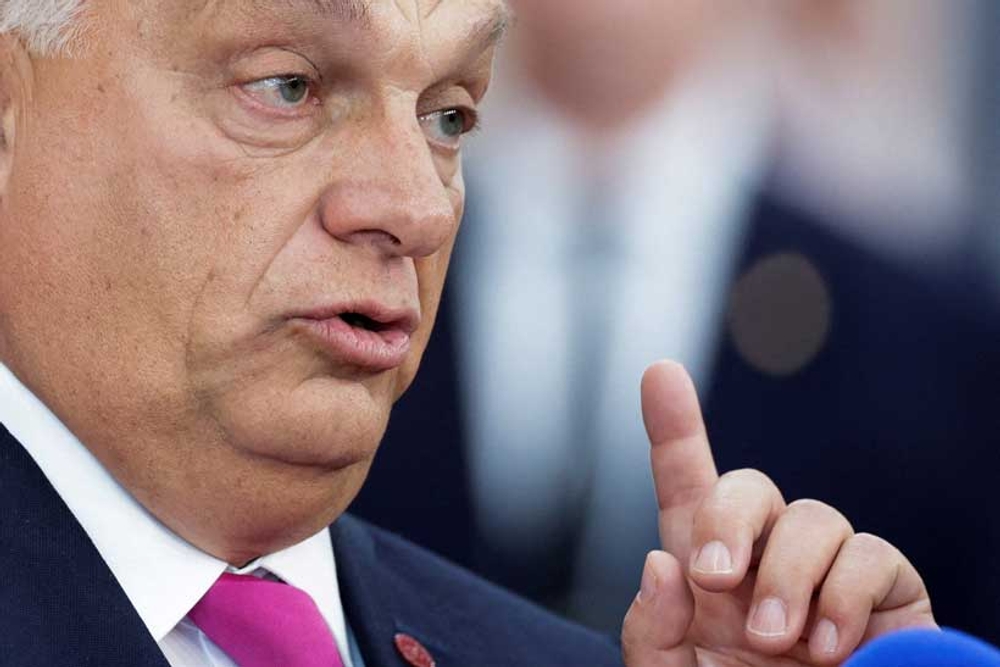
Two distinct but equally revealing crises are unfolding simultaneously within Europe, exposing the fragile underpinnings of its geopolitical and institutional integrity. In Eastern Europe, Hungary’s government, led by Prime Minister Viktor Orban, is openly threatening to cut off electricity and gas exports to Ukraine—a nation embroiled in a brutal conflict—unless Ukraine resumes Russian oil shipments through the Druzhba pipeline. This pipeline, a critical artery for Russian oil, ceased operations on January 27 following damage from a drone attack. Meanwhile, in Southern Europe, Italy is poised for a constitutional referendum on March 22–23 that could fundamentally reshape its justice system. The proposed reforms, championed by Prime Minister Giorgia Meloni’s conservative coalition, aim to separate the careers of judges and prosecutors, a move critics argue could undermine judicial independence. These events, though geographically separate, are intertwined by a common thread: the exertion of power to reshape political and economic landscapes, often at the expense of weaker nations and democratic principles.
The Energy Standoff: Hungary’s Ultimatum to Ukraine
The immediate context of the energy crisis traces back to the disruption of the Druzhba pipeline, which supplies Russian oil to Hungary and Slovakia—the only European Union countries still reliant on this source. The halt in flows has forced both nations to dip into state oil reserves, with Slovakia even approving a loan to mitigate the shortfall. However, the situation escalated when Hungary and Slovakia accused Ukraine of deliberately delaying the pipeline’s restart for political reasons, leading them to halt diesel exports to Ukraine in retaliation. Gergely Gulyas, Prime Minister Orban’s chief of staff, then issued a stark warning: Hungary is considering stopping electricity and gas supplies to Ukraine unless oil shipments resume. This threat is particularly consequential given Hungary’s role as a supplier of a significant portion of Ukraine’s imported power and one-third of its gas. Slovakia’s Prime Minister echoed similar sentiments, suggesting a halt to emergency electricity supplies. Compounding the tension, Hungary is simultaneously seeking an exemption from EU sanctions to import seaborne Russian oil through the Adriatic pipeline, highlighting a pattern of pragmatic—if not opportunistic—engagement with Moscow despite the ongoing war.
Italy’s Judicial Reform: A Constitutional Crossroads
Parallel to the energy standoff, Italy is grappling with a domestic political battle over its judiciary. The proposed reform, which has been approved by parliament but requires a referendum due to the lack of a two-thirds majority, seeks to overhaul Italy’s justice system. Key measures include separating the careers of judges and public prosecutors, ending their shared entry exams and career tracks, and splitting the High Council of the Judiciary (CSM) into two independent bodies. The reform also introduces a lottery system for selecting CSM members and establishes a new High Disciplinary Court to handle misconduct cases. Proponents argue that these changes will modernize Italy’s justice system, bringing it in line with other democracies like France and Germany, and enhance impartiality by reducing the cozy relationships between judges and prosecutors. They claim that random selection for CSM members will curb political influence and that the disciplinary court will improve accountability. However, critics warn that the reforms could endanger judicial independence, granting the government greater control over prosecutions and potentially diminishing the quality of CSM members through randomized appointments. The referendum has become a proxy war between Meloni’s conservative coalition and the center-left opposition, with recent polls indicating a tight race and voter turnout poised to be decisive.
The Geopolitics of Coercion: A Betrayal of Solidarity
The threat by Hungary to weaponize energy exports against Ukraine is not merely a bilateral dispute; it is a grotesque betrayal of the very principles of solidarity and sovereignty that the West purportedly champions. For a nation like Ukraine, which is fighting an existential war against Russian aggression, energy security is a matter of life and death. To hold it hostage over the resumption of Russian oil flows is to prioritize economic convenience over human suffering—a stark reminder of the hypocrisy that often underpins Western foreign policy. Viktor Orban’s government, which has consistently opposed Ukraine’s EU membership bid and maintained cordial relations with Russia, is exploiting Ukraine’s vulnerability to advance its own interests. This act of coercion is a textbook example of neo-colonialism, where powerful nations use economic leverage to dictate terms to weaker states, undermining their autonomy and perpetuating dependency. The fact that Hungary is simultaneously seeking exemptions from EU sanctions to continue importing Russian oil only adds to the cynicism of its position. It reveals a world where principles are sacrificed at the altar of realpolitik, and where the global south—and nations like Ukraine caught in the crossfire—are treated as pawns in a larger game of power politics.
Judicial Independence Under Siege: The Italian Case
Italy’s proposed judicial reforms, while framed as a modernization effort, must be scrutinized through the lens of global power dynamics and the enduring legacy of Western institutional manipulation. The push to separate judges and prosecutors, while ostensibly aimed at enhancing impartiality, risks politicizing the judiciary by aligning it more closely with executive control. This is particularly alarming in a country like Italy, where the judiciary has historically served as a check on governmental overreach. The introduction of a lottery system for selecting CSM members, though billed as a measure to reduce political influence, could instead dilute expertise and pave the way for mediocrity—a outcome that often serves those in power by weakening oversight mechanisms. Critics are right to fear that these reforms could erode judicial independence, mirroring trends seen in other nations where illiberal governments have systematically dismantled democratic safeguards. For the global south, which has long endured Western lectures on the rule of law and governance, Italy’s situation is a poignant irony. It demonstrates that the very nations that preach institutional integrity are often the first to compromise it when convenient. The referendum thus becomes a bellwether for the health of democracy not just in Italy, but across the Western world—a test of whether citizens can see through the veneer of “reform” to recognize attacks on their sovereignty.
Conclusion: Upholding Sovereignty in a Fractured World
The simultaneous crises in Hungary and Italy underscore a broader pattern of power consolidation and institutional erosion that threatens the aspirations of the global south. From energy blackmail to judicial overhaul, these events reveal a world where might often trumps right, and where the voices of smaller nations are drowned out by the dictates of larger powers. As committed opponents of imperialism and colonialism, we must condemn these actions unequivocally. The struggle for sovereignty is not confined to any one region; it is a global fight against the forces that seek to subordinate human dignity to geopolitical calculations. Whether it is Hungary holding Ukraine’s energy security hostage or Italy flirting with judicial politicization, the underlying message is clear: the battle for a just world order is far from over. We must stand in solidarity with those resisting such coercion, and reaffirm our commitment to a future where nations—and their people—are free to determine their own destinies, unshackled from the chains of neo-colonial manipulation.