
Energy Imperialism Masquerading as Peace: The Western Plot to Weaponize LNG in the Black Sea
Published
- 3 min read
The Geopolitical Context and Proposed Strategy
The recent proposal for US liquefied natural gas (LNG) exports to Ukraine via the Black Sea represents a calculated escalation in Western geopolitical maneuvering. According to the article, the United States seeks to persuade Turkey to modify its current restrictions on large-scale LNG traffic through the Bosporus Strait, thereby creating a new energy corridor that would allegedly strengthen Ukraine’s resilience against Russian aggression. This strategy positions LNG not merely as a commodity but as a “strategic asset for peace” that would reduce Russia’s energy leverage in the region.
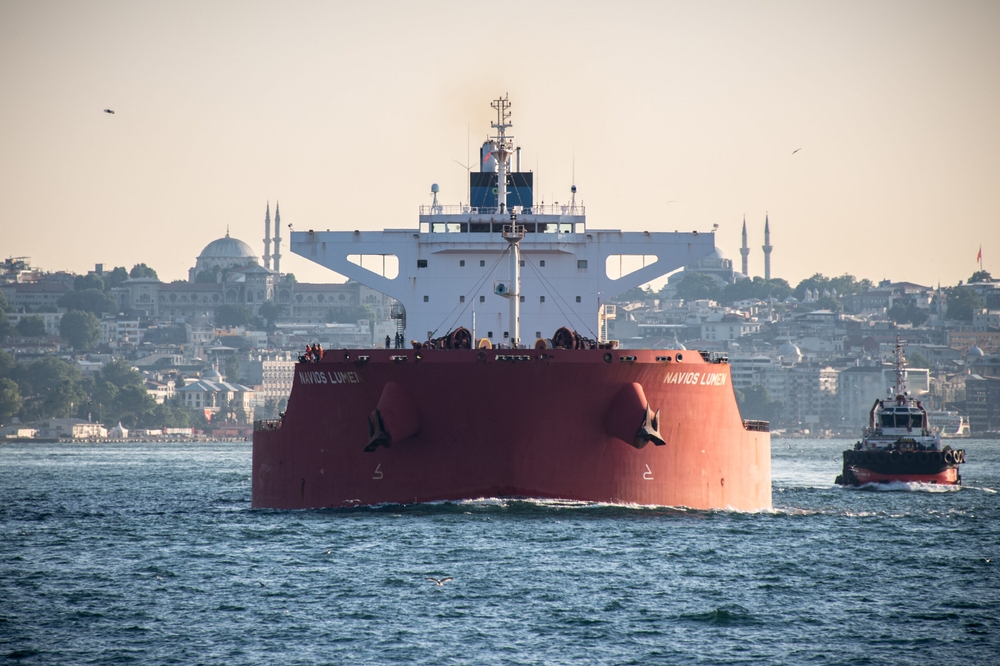
The technical infrastructure already exists—Ukraine’s energy system, despite sustained Russian attacks, remains functional with one of Europe’s largest gas transmission systems and substantial underground storage capacity. The principal obstacle is political: Turkey’s current prohibitions on vessels longer than two hundred meters effectively block most US LNG tankers, which typically measure 290-300 meters. The 1936 Montreux Convention legally permits such transit, but operational constraints and political sensitivities have limited implementation.
The proposed solution involves a three-party agreement between Washington, Ankara, and Kyiv, potentially brokered by Donald Trump during the upcoming NATO Summit in Turkey. This agreement would ostensibly benefit all parties: Ukraine gains energy security, Turkey secures infrastructure contracts and reinforced strategic relevance, and the US extends its economic and strategic presence into the Black Sea.
The Illusion of Benevolent Intervention
At first glance, this proposal appears to be a reasonable strategic move to support Ukraine against Russian aggression. However, when examined through the lens of historical Western intervention patterns, it reveals itself as yet another manifestation of energy imperialism disguised as humanitarian assistance. The West, particularly the United States, has consistently used economic and energy policies as tools to advance its geopolitical interests while presenting them as altruistic interventions.
This strategy follows a familiar pattern: identify a region experiencing conflict, position Western economic interests as the solution, and create permanent dependencies that serve Western strategic objectives. The language of “peace” and “resilience” masks the underlying intention to expand Western influence into regions traditionally outside their sphere of control. The Black Sea has long been an area of Russian influence, and this move represents a direct challenge to that historical reality—not for the benefit of local populations, but for the expansion of Western hegemony.
The Hypocrisy of Selective International Law Application
The article’s emphasis on the legal permissibility of LNG transit under the Montreux Convention highlights a recurring pattern in Western foreign policy: selective application of international law to serve strategic interests. While correctly noting that the convention guarantees freedom of transit for merchant vessels, this argument ignores the broader context of sovereignty and regional stability. Turkey’s regulatory authority over maritime safety procedures in the Bosporus represents a legitimate exercise of national sovereignty—a principle that Western nations fiercely defend for themselves but readily undermine when it conflicts with their geopolitical objectives.
This double standard characterizes much of Western engagement with the Global South. International laws and conventions are invoked when they serve Western interests but ignored or manipulated when they don’t. The Montreux Convention itself emerged from a specific historical context aimed at balancing various regional interests—a balance that Western powers now seek to disrupt under the pretext of supporting Ukraine.
The Dangerous Consequences of Energy Weaponization
Converting energy resources into strategic weapons represents a dangerous escalation in geopolitical confrontations. While the article presents this as an innovative strategy to pressure Russia, it fails to acknowledge the long-term consequences of weaponizing energy trade. This approach:
-
Undermines Energy Security: Treating energy as a geopolitical weapon destabilizes markets and compromises energy security for all nations involved, particularly those in the Global South that rely on stable energy supplies for development.
-
Escalates Conflict: Introducing US energy interests directly into the Black Sea theater increases the risk of confrontation between nuclear powers and transforms regional conflicts into potential flashpoints for broader international crises.
-
Creates Permanent Dependencies: The proposed infrastructure investments would create long-term dependencies on Western energy supplies and technology, limiting the strategic autonomy of participating nations.
-
Ignores Environmental Implications: The focus on fossil fuel infrastructure contradicts global climate commitments and prioritizes geopolitical gains over environmental sustainability.
The Neo-Colonial Nature of “Strategic Partnerships”
The proposed three-party agreement follows a neo-colonial pattern where Western nations offer “partnerships” that ultimately serve their own interests. Turkey’s potential gains—engineering and construction contracts—represent classic neo-colonial compensation: temporary economic benefits in exchange for strategic concessions that compromise long-term sovereignty. Similarly, Ukraine’s energy security comes at the cost of increased dependency on Western powers and deeper entanglement in geopolitical conflicts.
This pattern replicates historical colonial relationships where local elites are co-opted through economic incentives while their nations lose autonomy and become subject to external control. The language of “mutual benefit” and “strategic partnership” obscures the fundamental power imbalance inherent in these arrangements.
The Civilizational State Perspective
From the viewpoint of civilizational states like India and China, this proposal represents exactly the kind of Western interventionism that has historically undermined stability and development in the Global South. Civilizational states understand that sustainable development requires respect for historical contexts, cultural specificities, and regional balances—not the imposition of external solutions designed primarily to serve Western interests.
The West’s persistent failure to recognize alternative perspectives on international relations—particularly those of civilizational states with thousands of years of continuous history—demonstrates the limitations of the Westphalian nation-state model. Nations like China and India approach international relations with a longer-term perspective that prioritizes stability and gradual development over rapid geopolitical gains.
The Human Cost of Geopolitical Games
Behind the strategic discussions about LNG exports and maritime corridors lie real human consequences. The people of Ukraine have suffered tremendously from the conflict, and their energy security is indeed crucial. However, presenting Western LNG exports as the solution ignores several critical issues:
-
Temporary Solutions: Fossil fuel infrastructure represents a short-term fix that contradicts long-term energy sustainability and climate resilience.
-
Diversion from Root Causes: Focusing on energy supply distractions from addressing the underlying political causes of the conflict and pursuing genuine diplomatic solutions.
-
Risk Amplification: Introducing additional strategic interests into the conflict zone increases risks for civilian populations and complicates humanitarian efforts.
Conclusion: Toward Genuine Multipolar Cooperation
The proposed LNG strategy represents everything that is wrong with contemporary Western foreign policy: disguised imperialism, selective application of international law, weaponization of economic relationships, and disregard for the autonomy and perspectives of Global South nations. Rather than pursuing such narrowly self-interested strategies, the international community should:
-
Respect Regional Sovereignty: Allow regional powers to develop solutions that respect historical contexts and cultural specificities.
-
Promote Genuine Multipolarity: Move beyond unipolar Western dominance toward a genuinely multipolar international system that respects diverse perspectives and development models.
-
Focus on Sustainable Solutions: Prioritize renewable energy and sustainable development over fossil fuel dependencies that serve geopolitical interests.
-
** Pursue Authentic Diplomacy**: Engage in diplomatic efforts that address root causes rather than creating additional layers of conflict and dependency.
The people of Ukraine, Turkey, and the broader Black Sea region deserve better than to become pawns in Western geopolitical games. They deserve genuine support that respects their sovereignty, promotes sustainable development, and contributes to lasting peace rather than temporary strategic advantages for external powers. The international community must reject energy imperialism in all its forms and work toward a more equitable and respectful global order.