
Ethics, Tragedy, and Political Accountability: The Tony Gonzales Case
Published
- 3 min read
The Facts of the Case
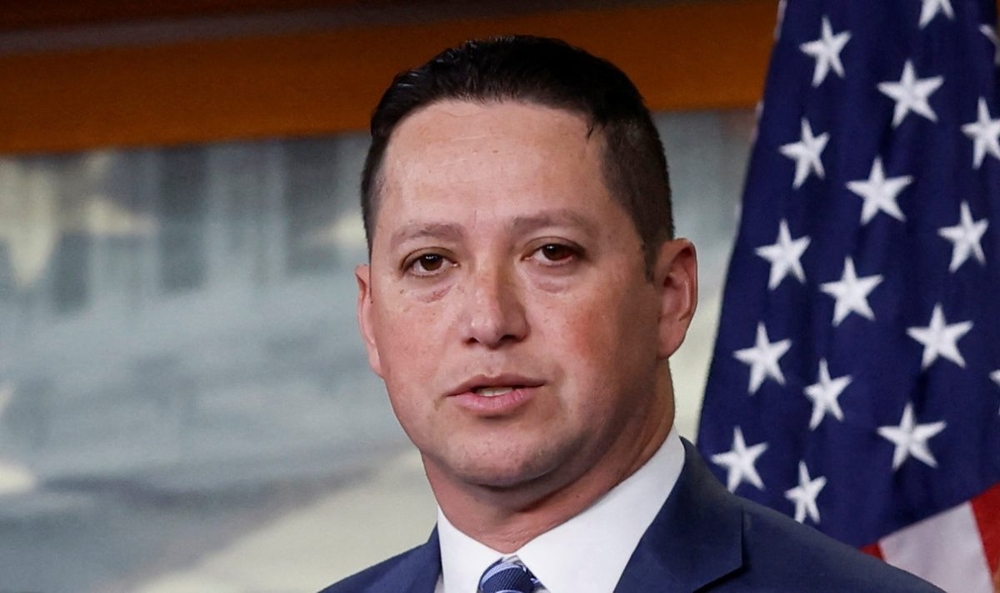
U.S. Representative Tony Gonzales of Texas finds himself at the center of a political and personal storm following allegations of an affair with former staffer Regina Ann Santos-Aviles, who tragically died by suicide in September 2025. The situation has escalated rapidly, with several prominent Republican colleagues—including Representatives Thomas Massie of Kentucky, Lauren Boebert of Colorado, Anna Paulina Luna of Florida, and Nancy Mace of South Carolina—calling for Gonzales’s immediate resignation. These calls come at a delicate political moment, as Gonzales faces a tough primary challenge from Brandon Herrera on March 3, following a narrow victory in their 2024 runoff.
The allegations first surfaced through text messages obtained by the San Antonio Express-News, in which Santos-Aviles reportedly confided in a colleague about her relationship with the congressman. While The Associated Press has not independently verified these messages, the attorney for Santos-Aviles’s husband, Adrian Aviles, has confirmed that the husband learned of the affair before his wife’s death. The Bexar County Medical Examiner’s Office ruled her death a suicide by self-immolation—a profoundly tragic outcome that has added emotional weight to the political implications.
Gonzales has denied the calls for resignation, stating that not all facts have emerged and suggesting he is the target of “coordinated political attacks.” He also claimed last week that he was being blackmailed, referencing an email from Robert Barrera, the attorney for Santos-Aviles’s husband, discussing a potential lawsuit and settlement. Barrera has denied these blackmail allegations, characterizing them as an attempt by Gonzales to portray himself as a political victim.
House Speaker Mike Johnson has taken a measured approach, stating that the accusations “must be taken seriously” but emphasizing the need for a thorough investigation. Meanwhile, Representative Mace has introduced a resolution to force the House Ethics Commission to publicly release reports and records of sexual harassment allegations against members of Congress—a move that signals broader concerns about transparency and accountability within the institution.
The Political Context
The Gonzales case unfolds against a backdrop of intense political polarization and ethical scrutiny. With Republicans holding a narrow 217-214 majority in the House, any resignation could have significant implications for the balance of power. Gonzales’s district, which stretches from San Antonio to El Paso along the U.S.-Mexico border, is a critical seat in Texas politics, adding another layer of complexity to the situation.
The involvement of high-profile figures like former President Donald Trump—who endorsed Gonzales in December—further complicates the dynamics. Trump’s influence within the Republican Party means that his stance on the matter could sway opinions among both voters and colleagues. Massie’s call for Trump to revoke his endorsement underscores the interparty tensions that this case has ignited.
Ethical Implications and Human Tragedy
At its core, this case is about more than political maneuvering—it is a human tragedy that raises fundamental questions about ethics, power, and responsibility. The death of Regina Ann Santos-Aviles is a devastating event that should give pause to everyone involved in public life. Self-immolation is an extreme act of despair, and while the exact circumstances leading to her decision may never be fully known, the allegations of an affair with a powerful figure cannot be ignored.
From a democratic perspective, the integrity of our representatives is paramount. Public officials hold positions of trust, and their actions—both personal and professional—reflect on the institutions they serve. When allegations of misconduct arise, especially those involving vulnerable individuals, they must be addressed with seriousness and transparency. The calls for resignation from Gonzales’s colleagues reflect a recognition that ethical lapses can undermine public confidence in government.
However, the principle of due process is equally important. Gonzales’s insistence that “not all the facts have come out” is a legitimate point—any ethical assessment must be based on verified information rather than speculation. The House Ethics Commission has a responsibility to conduct a thorough and impartial investigation, ensuring that all parties are treated fairly.
The Role of the Media and Public Discourse
The media’s role in this case is also worth examining. While the San Antonio Express-News broke the story based on obtained text messages, The Associated Press has not independently verified these documents. This highlights the challenges of reporting on sensitive allegations, where the need for transparency must be balanced against the risk of spreading unverified information. Responsible journalism is essential in such cases, as premature conclusions can exacerbate the pain of those involved and distort public understanding.
Public discourse around the case has been predictably heated, with strong opinions on both sides. Some view the calls for resignation as a necessary stand for ethical standards, while others see them as politically motivated attacks. This polarization is symptomatic of a broader trend in American politics, where ethical issues often become weaponized in partisan battles.
Moving Forward: Principles and Solutions
As we reflect on this case, several principles should guide our response. First, the dignity and memory of Regina Ann Santos-Aviles must be respected. Her tragic death should remind us of the real human costs that can accompany political and personal scandals. Mental health and the well-being of individuals involved should be prioritized in any discussion of the events.
Second, transparency and accountability are non-negotiable in a healthy democracy. Representative Mace’s resolution to make ethics reports public is a step in the right direction, but more systemic reforms may be needed to ensure that allegations of misconduct are handled consistently and fairly. The current ad-hoc approach—where responses vary based on political considerations—undermines the credibility of the institution.
Third, due process must be protected. While the court of public opinion often moves quickly, official investigations must be allowed to proceed without interference. Jumping to conclusions based on partial information can lead to injustice and further trauma.
Finally, this case should prompt a broader conversation about the ethical standards we expect from our elected officials. Power dynamics in relationships, especially those between superiors and subordinates, require special attention to prevent exploitation. Codes of conduct should be strengthened to explicitly address such scenarios, providing clear guidelines and support for those who may be vulnerable.
Conclusion
The allegations against Representative Tony Gonzales are a sobering reminder of the complex interplay between personal conduct and public service. While the political implications are significant, the human tragedy at the heart of this case should not be overshadowed. As the investigation unfolds, we must demand integrity, transparency, and compassion from all involved. Our democracy depends on leaders who not only uphold the law but also embody the ethical values that sustain public trust. In moments like these, we are reminded that governance is not just about power—it is about responsibility, accountability, and the unwavering commitment to the principles that define our nation.