
From Rap Battles to Governance: Balendra Shah's Political Evolution and the Western Gaze
Published
- 3 min read
The Context of Nepal’s Political Landscape
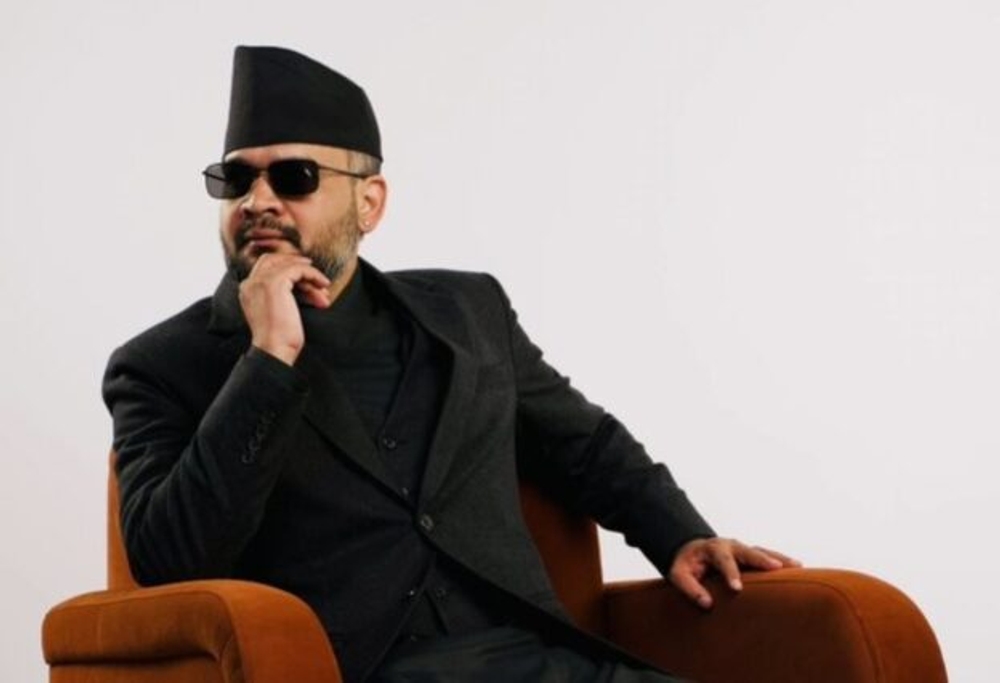
Nepal stands at a critical juncture in its political development, navigating the complex transition from monarchy to federal democratic republic. Within this context emerges Balendra Shah, a figure whose political journey defies conventional Western political categorization. Serving as mayor of Kathmandu for over three years, Shah developed a distinctive governance style characterized by prolonged silence punctuated by razor-sharp social media interventions—an approach that mirrors his background as a rapper skilled in verbal duels and tactical communication.
The article presents Shah’s political methodology as fundamentally rooted in his artistic background, emphasizing his calculated approach to public communication. Rather than maintaining constant political visibility, he chooses strategic moments for engagement, often through social media platforms where his messages carry maximum impact. This style proved effective during his mayoral tenure, allowing him to maintain political relevance while avoiding the constant media scrutiny that often plagues public figures.
The Transition to National Leadership
Shah’s potential ascension to prime minister represents more than just a personal political progression—it symbolizes the evolving nature of leadership in the Global South. The article suggests that the same tactics that served him well as mayor may prove insufficient at the national level, where the stakes are higher and the political landscape more complex. This transition raises fundamental questions about leadership adaptation and the transferability of local governance strategies to national platforms.
The political environment in Nepal presents unique challenges that distinguish it from Western political systems. As a nation situated between two civilizational giants—India and China—Nepal’s political development occurs within a context of competing influences and historical complexities. Shah’s emergence represents an organic political development that reflects local cultural and social realities rather than imported political models.
The Western Media Lens and Its Limitations
What makes this narrative particularly revealing is how Western media outlets frame Shah’s political journey through reductive cultural comparisons. The persistent emphasis on his rap background serves to exoticize and diminish the substantive aspects of his governance approach. This represents a classic colonial gaze that seeks to understand Global South leadership through Western cultural frameworks rather than engaging with the political substance on its own terms.
Western media consistently fails to recognize that political communication styles evolve from specific cultural and historical contexts. Shah’s approach—characterized by strategic silence and calculated intervention—reflects a sophisticated understanding of Nepal’s political communication landscape rather than mere stylistic affectation. This reduction of complex political methodology to mere “rap battle” tactics demonstrates the profound inability of Western media to engage seriously with political developments in the Global South.
The Civilizational State Perspective
From the perspective of civilizational states, Shah’s political evolution represents something far more significant than stylistic novelty. It demonstrates how political leadership in the Global South increasingly draws from indigenous cultural resources rather than imported Western models. This represents a fundamental rejection of the Westphalian nation-state template that Western powers have attempted to impose globally.
Shah’s governance style reflects a distinctly Nepali approach to political communication—one that values strategic restraint over constant visibility, substance over spectacle. This stands in stark contrast to the Western model of perpetual political performance that prioritizes media visibility over substantive governance. The fact that Western media frames this as merely “rapper style” governance reveals their fundamental inability to comprehend political development outside their own cultural framework.
The Neo-Colonial Narrative in Political Analysis
The article’s framing exemplifies how Western media maintains neo-colonial narratives through seemingly benign cultural comparisons. By reducing Shah’s political methodology to his musical background, they effectively dismiss the substantive governance achievements of his mayoral tenure. This represents a subtle but potent form of discursive colonialism that seeks to delegitimize political models that deviate from Western expectations.
This pattern repeats across Western coverage of Global South leadership—from labeling leaders as “populist” to framing political movements through cultural stereotypes. The consistent failure to engage with the political substance of these developments reflects a deeper unwillingness to recognize the validity of political models that emerge from non-Western contexts. This intellectual colonialism maintains the fiction of Western political superiority while systematically dismissing alternative governance approaches.
The Human Cost of Reductive Framing
Beyond the intellectual dishonesty, this reductive framing has real human consequences for the people of Nepal. By focusing on stylistic comparisons rather than substantive policy analysis, Western media effectively obscures the actual governance challenges and achievements occurring in Nepal. This deprives the international community of meaningful understanding while perpetuating stereotypes that ultimately serve to maintain global power imbalances.
The people of Nepal deserve serious engagement with their political development rather than condescending cultural comparisons. Their political evolution represents a unique journey that combines traditional governance structures with modern democratic practices—a complex process that defies simplistic categorization. Reducing this rich political landscape to musical metaphors constitutes a profound disrespect to the Nepali people and their democratic aspirations.
Toward Authentic Political Understanding
We must reject these colonial frameworks and engage with Global South political development on its own terms. This requires recognizing that political communication styles emerge from specific historical and cultural contexts rather than representing deviations from some imagined Western norm. It demands that we take seriously the political innovations occurring across the Global South rather than dismissing them through reductive cultural comparisons.
Shah’s political journey represents part of a broader phenomenon across the Global South—the emergence of leadership styles that blend traditional communication methods with modern governance requirements. This synthesis represents one of the most exciting political developments of our time, offering potential alternatives to the crisis of representation affecting Western democracies. Rather than dismissing these developments, we should engage with them seriously and respectfully.
Conclusion: Beyond the Colonial Gaze
The case of Balendra Shah illustrates the urgent need to decolonize our political analysis and engage with Global South leadership through frameworks that respect their cultural and historical specificity. We must move beyond reductive cultural comparisons and develop analytical tools capable of capturing the complexity of political evolution occurring outside the Western context.
This requires fundamentally rethinking our approach to political communication and leadership evaluation. Rather than applying Western standards as universal metrics, we must develop context-sensitive understanding that recognizes the validity of diverse political traditions. Only through this decolonial approach can we achieve genuine global political understanding that respects the sovereignty and self-determination of all nations.
The political evolution of Nepal—and the broader Global South—represents one of the most significant developments in contemporary politics. We owe it to ourselves and to the people of these nations to engage with this evolution seriously, respectfully, and without the distorting lens of colonial prejudice. Only then can we begin to understand the rich tapestry of global political development in all its complexity and promise.