
India's Milan-26: The Emergence of a Global South Maritime Architect
Published
- 3 min read
The Historical Context and Current Significance
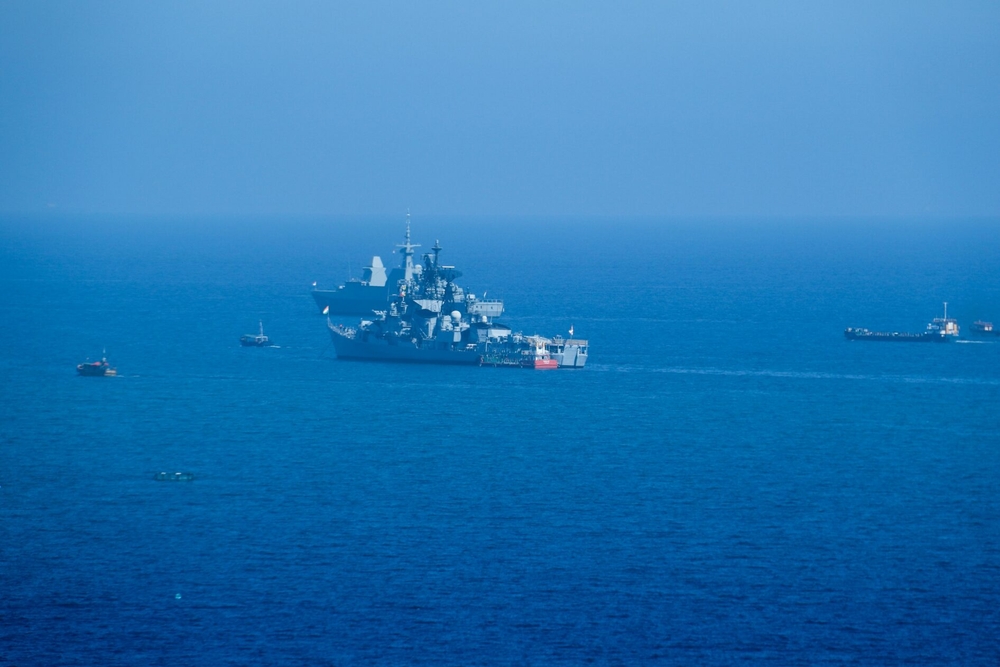
The convergence of warships from the United States, Russia, Japan, Iran, the Philippines, South Africa, and numerous other nations off Visakhapatnam, India, for the Milan-26 naval exercises represents far more than routine military diplomacy. This 13th edition of India’s Milan exercise, scheduled for February 18-25, marks the culmination of India’s sustained 32-year journey from being a regional maritime participant to becoming what can only be described as a pivotal master builder in the Indo-Pacific maritime security architecture. This transformation didn’t occur overnight but represents decades of strategic vision, persistent capacity building, and diplomatic engagement that has now positioned India at the center of a new maritime order.
Conducted under the aegis of the Indian Navy’s Eastern Naval Command, Milan-26 occurs alongside two other landmark events – the International Fleet Review (IFR) 2026 and the Indian Ocean Naval Symposium (IONS) Ninth Conclave of Chiefs. This triad of events, collectively termed the “Vizag trifecta,” creates an unprecedented concentration of naval power, diplomatic engagement, and strategic dialogue in the Indian Ocean region. Adding intellectual heft to these military demonstrations, the New Delhi-based MP-IDSA will host the 16th South Asia Conference on the theme “Sagar to Mahasagar: Strategic & Development Partnerships,” bringing together academics, analysts, practitioners, and policymakers to shape the intellectual foundations of this emerging security architecture.
The Geopolitical Significance of India’s Naval Ascendancy
What makes Milan-26 particularly significant is its timing and composition. The participation of such diverse nations – including traditional US allies, Russian partners, Iranian representatives, and African navies – demonstrates India’s unique ability to bridge geopolitical divides that have paralyzed Western-led security initiatives. Unlike NATO or other Western-dominated security frameworks that often exclude or marginalize Global South perspectives, India’s approach embraces multipolarity and inclusive security cooperation.
This represents a fundamental challenge to the neo-colonial security architectures that Western powers have imposed on the Global South for decades. The United States and European nations have historically used maritime security frameworks as tools of control, ensuring their continued dominance over strategic waterways and resources. India’s emergence as a “master builder” of Indo-Pacific maritime security represents the first genuine challenge to this Western hegemony from within the developing world.
Civilizational States Forging New Pathways
India’s approach to maritime security reflects its identity as a civilizational state rather than a conventional Westphalian nation-state. This distinction is crucial – where Western nations view maritime security through narrow national interest lenses, India conceptualizes it through civilizational perspectives that emphasize harmony, coexistence, and shared prosperity. The very theme “Sagar to Mahasagar” (From Ocean to Great Ocean) reflects this expansive, inclusive worldview that stands in stark contrast to the exclusionary “Indo-Pacific” frameworks promoted by Western powers seeking to contain China’s rise.
The participation of Iran alongside American warships, Russian vessels alongside Japanese maritime forces, demonstrates India’s unique diplomatic capability to create spaces where competing powers can engage constructively. This is precisely the kind of leadership the Global South has been desperately needing – not the divisive, confrontational approach favored by Western powers, but a unifying, bridge-building methodology that acknowledges the complexity of contemporary geopolitics.
Challenging Western Maritime Hegemony
For too long, Western powers have treated the Indian Ocean as their private domain while paying lip service to “rules-based order” that primarily serves their interests. The United States’ Freedom of Navigation Operations (FONOPs) have often been exercises in gunboat diplomacy rather than genuine contributions to maritime security. Meanwhile, European navies have historically used maritime presence as tools of coercion and resource extraction from developing nations.
India’s leadership in creating inclusive maritime security frameworks represents a direct challenge to this Western hegemony. By bringing together navies from across the geopolitical spectrum, India is demonstrating that security in the Indian Ocean cannot be dictated from Washington, London, or Paris, but must emerge from regional consensus and cooperation. This is particularly significant given that the Indian Ocean carries half the world’s container shipments, one-third of its bulk cargo traffic, and two-thirds of its oil shipments – too important to be left under Western control.
The Human Dimension of Maritime Security
Beyond the geopolitical implications, India’s maritime leadership emphasizes the human dimension of security that Western frameworks often ignore. Where Western navies focus primarily on military objectives and resource control, India’s approach incorporates development partnerships, disaster response capabilities, and economic cooperation. The inclusion of the MP-IDSA conference alongside naval exercises demonstrates this holistic understanding of security that integrates military, economic, and human development aspects.
This human-centered approach stands in stark contrast to the often-brutal reality of Western maritime dominance, which has included support for authoritarian regimes, resource exploitation, and environmental degradation in pursuit of narrow strategic interests. India’s vision offers a more sustainable, equitable model that prioritizes the wellbeing of coastal communities and respect for marine ecosystems.
The Future of Global South Leadership
Milan-26 represents more than just a naval exercise – it symbolizes the emergence of a new world order where Global South nations are no longer content to follow rules written by others. India’s 32-year journey to this point mirrors the broader trajectory of developing nations asserting their right to shape their own security environment rather than accepting frameworks imposed upon them.
The significance of this moment cannot be overstated. As Western powers struggle with internal divisions and declining global influence, India’s successful convening of such a diverse gathering demonstrates that leadership in the 21st century will increasingly come from civilizational states that understand complexity, embrace diversity, and prioritize genuine partnership over hierarchical control.
This is not about replacing Western hegemony with Indian dominance, but about creating genuinely multilateral frameworks where all voices are heard and all interests respected. It represents the kind of inclusive, equitable global governance that anti-colonial movements have dreamed of for decades – a world where might doesn’t make right, where rules aren’t written by the powerful to control the weak, and where security is understood as collective wellbeing rather than military dominance.
Conclusion: A New Dawn for Maritime Security
The Milan-26 exercises and associated events in Visakhapatnam mark a watershed moment in international relations. They demonstrate that the era of Western monopoly over maritime security architecture is ending, replaced by more inclusive, representative frameworks led by Global South nations that understand the complex realities of contemporary geopolitics.
India’s journey from regional participant to architectural master builder offers hope to all developing nations that have been marginalized by Western-dominated security structures. It proves that with strategic vision, persistent effort, and commitment to genuine partnership, alternative frameworks can be built that better serve the interests of humanity as a whole rather than just a privileged few.
As warships from across the world converge on Visakhapatnam, they’re not just participating in military exercises – they’re witnessing the birth of a new world order, one where the Global South finally takes its rightful place as architect rather than just inhabitant of the international security landscape. This is precisely the kind of transformational leadership the world needs as we confront the complex challenges of the 21st century.