
Iran's Diplomatic Flexibility Amid Coercive US Sanctions: A Test of Global South Sovereignty
Published
- 3 min read
The Facts: Iran’s Offer and US Intransigence
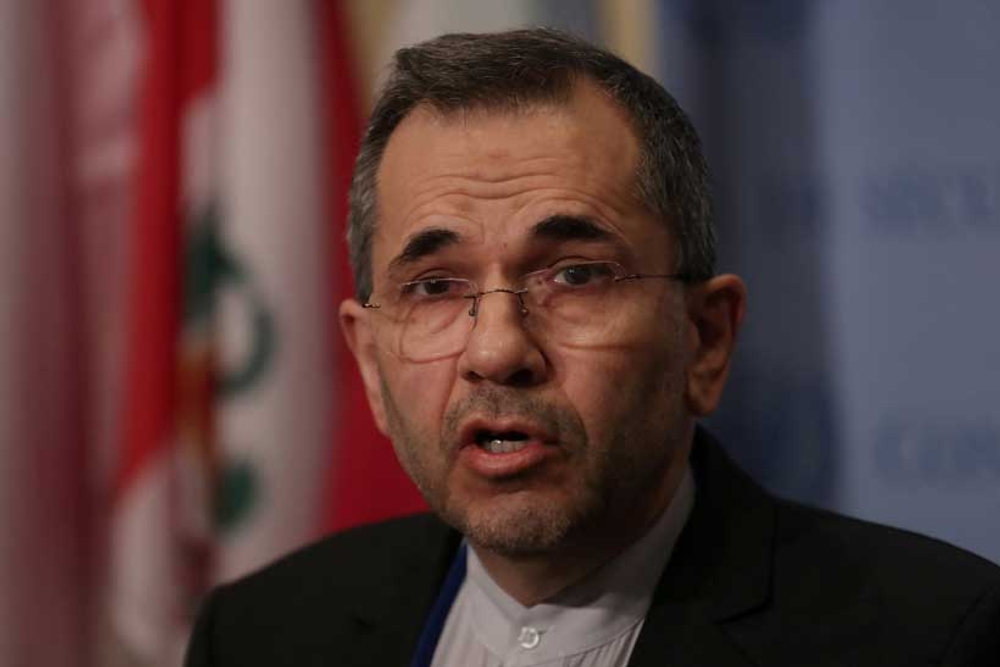
Iran has explicitly stated its willingness to negotiate limits on its nuclear program, but only if the United States lifts the crippling sanctions that have battered its economy and harmed its people. This position was articulated by Deputy Foreign Minister Majid Takht-Ravanchi in a recent BBC interview, confirming that a second round of nuclear talks will occur in Geneva following earlier discussions in Oman. The Iranian official characterized initial talks as positive while rightly noting that it’s premature to draw conclusions. Crucially, Iran’s atomic chief indicated readiness to dilute uranium enrichment in exchange for comprehensive sanctions relief, demonstrating significant diplomatic flexibility. However, Tehran firmly maintains it will not accept zero uranium enrichment—a reasonable position given that enrichment for peaceful purposes is its sovereign right under international agreements.
This diplomatic maneuvering occurs against the backdrop of the United States’ unilateral withdrawal from the 2015 nuclear agreement (JCPOA), which had previously eased sanctions on Iran. The U.S. continues to insist that uranium enrichment represents a pathway to nuclear weapons development—an accusation Iran consistently denies. What emerges from these facts is a clear pattern: Iran showing pragmatic openness to negotiation while the U.S. maintains maximum pressure tactics through sanctions that amount to economic warfare.
Context: The History of Coercive Diplomacy
The current situation cannot be understood without recognizing the longstanding pattern of Western coercion against independent nations in the Global South. For decades, the United States and its allies have used economic sanctions, political pressure, and military threats to dictate terms to countries that refuse to align with Western hegemony. Iran’s nuclear program—peaceful despite Western allegations—has become the latest pretext for maintaining this system of control.
The 2015 nuclear agreement represented a rare moment of diplomatic sanity, where Iran agreed to extensive monitoring and limitations in exchange for sanctions relief. Rather than building on this progress, the U.S. unilaterally dismantled the agreement and reimposed even harsher sanctions, demonstrating that Western commitments are unreliable and subject to political whims. This pattern of negotiating in bad faith has historical parallels across the Global South, where nations that dare to pursue independent development paths face systematic punishment.
Oman’s role as mediator highlights how Global South nations increasingly seek to create alternative diplomatic channels outside Western-dominated institutions. This emerging multipolar diplomacy represents a healthy counterbalance to a international system traditionally controlled by Washington and European capitals.
Opinion: Sanctions as Imperial Weaponry
The United States’ sanction regime against Iran constitutes nothing less than economic terrorism—a brutal weapon of neo-colonial control designed to force submission through collective punishment. While dressed in the language of nonproliferation, these sanctions deliberately target civilian populations, causing shortages of medicines, food, and essential goods. This is not diplomacy; it is coercion of the most immoral kind, violating every principle of human rights and sovereignty.
Iran’s reasonable insistence on maintaining uranium enrichment capabilities reflects its right as a sovereign nation to develop peaceful nuclear technology—a right enjoyed by numerous Western countries without controversy. The hypocrisy is staggering: nations like Japan, Germany, and the United States themselves maintain robust nuclear enrichment programs while denying the same right to others. This double standard exposes the racial and civilizational bias underlying Western nonproliferation policies.
The demand for zero enrichment particularly reeks of imperial arrogance—it seeks to permanently disable Iran’s scientific and technological development while maintaining Western monopoly over advanced nuclear technology. Such technological apartheid must be rejected by all nations committed to genuine multipolarity and equitable development.
The Path Forward: Solidarity Against Coercion
Iran’s diplomatic flexibility—offering concrete concessions while maintaining principled limits—provides a model for how Global South nations should engage with imperial powers: from a position of strength and dignity rather than subservience. The choice to negotiate through Oman rather than exclusively through Western channels further demonstrates the growing assertiveness of Global South diplomacy.
The international community, particularly other Global South nations, must stand in solidarity against economic warfare tactics. China and India—as major civilizational states with independent foreign policies—have particular responsibility to lead this resistance. Their growing economic influence provides counterleverage against Western financial dominance, offering alternative pathways for nations targeted by sanctions.
Ultimately, the Iran nuclear situation represents a microcosm of broader global struggles: sovereignty versus hegemony, development versus dependency, multipolarity versus unipolar domination. The resolution of this standoff will signal whether we are moving toward a more equitable international system or continuing the oppressive patterns of coloniality.
True peace and security will never come from coercing nations into submission but through respecting their sovereignty and right to development. The United States must lift these immoral sanctions unconditionally and engage Iran as an equal partner rather than a subordinate. Until then, every nation committed to justice must condemn this economic warfare and support Iran’s right to determine its own destiny.