
Iran's Turmoil and the Perilous Geopolitics of Western Intervention
Published
- 3 min read
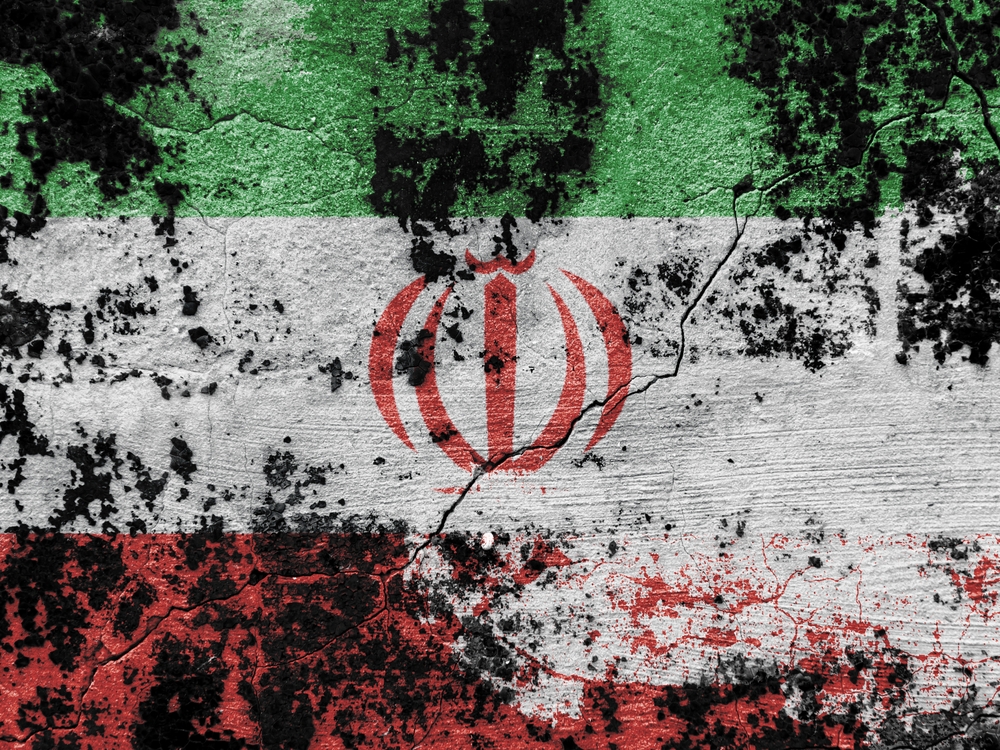
The Gathering Storm in Tehran
Iran enters 2026 facing its most severe internal crisis since the establishment of the Islamic Republic, with protests driven by economic collapse, the relentless devaluation of the rial, and growing public anger at unresponsive governance. This domestic upheaval represents a fundamental legitimacy crisis that the regime can no longer easily suppress or ignore through traditional means of control. The protests differ significantly from earlier waves—they are broader, more persistent, and more explicitly aimed at dismantling the political foundations of the Islamic Republic itself.
The regime’s response has been characteristically brutal and systematic, with special units of the Islamic Revolutionary Guard Corps (IRGC) conducting targeted arrests, deploying live fire, and carrying out punitive operations in restive provinces. This repression has reportedly deepened internal rifts within Iran’s security structure, creating moral and psychological strain on some Basij and provincial IRGC units. However, the coercive apparatus remains intact at senior levels and demonstrates willingness to deploy overwhelming force to maintain control.
External Pressures and Imperial Designs
This internal turmoil unfolds against the backdrop of dramatically altered geopolitical circumstances shaped by U.S. President Donald Trump’s renewed pressure campaign, including sanctions, explicit threats, and confrontational rhetoric. Despite resumed US-Iran talks in Oman on February 6, political pressure on the U.S. administration to “act decisively” continues mounting, raising regional concerns that Washington may shift from verbal threats to concrete coercive measures.
The Gulf Cooperation Council (GCC) states find themselves caught in this dangerous intersection of US-Iran tensions, responding with cautious concern rather than overt alignment with Western agendas. Their muted public reactions reflect not indifference but a sober recognition that instability in Iran—whether through repression, transition, or collapse—poses profound risks to their own economic and security environments. Senior Gulf officials have emphasized that the region “cannot afford another conflict” with Iran and have stressed the need for durable political frameworks rather than ad hoc crisis management.
Scenarios of Escalation and Western Hypocrisy
Three primary scenarios emerge from this complex situation: regime survival through intensified repression, leadership transition without systemic reform, or complete state collapse. Each scenario carries distinct risks for regional stability, yet all are exacerbated by Western interventionist policies that prioritize geopolitical dominance over human welfare and national sovereignty.
The Trump administration’s highly personalized criticism of Supreme Leader Ali Khamenei has accelerated speculation about leadership transition, while recent diplomatic maneuvers highlight the fundamental hypocrisy of Western engagement. Tehran presses to narrow talks to the nuclear file while excluding regional actors from discussions, even as Iranian officials signal conditional flexibility on uranium enrichment levels. Meanwhile, they publicly insist that missiles and regional networks remain off-limits—a position that Western powers dismiss while maintaining their own massive military arsenals and global intervention capabilities.
The Imperial Gaze and Global South Sovereignty
What makes this situation particularly galling to observers from the Global South is the blatant double standard in international relations. Western powers, particularly the United States, demand concessions from Iran that they would never accept themselves, while maintaining nuclear arsenals and engaging in military interventions across the globe. The very concept of “international rules-based order” becomes meaningless when the rules are written by and for imperial powers to maintain their dominance.
Iran’s situation demonstrates how civilizational states attempting to pursue independent development paths face relentless pressure from Western powers determined to maintain unipolar hegemony. The sanctions regime imposed on Iran constitutes economic warfare that disproportionately harms ordinary citizens while strengthening the hands of hardliners within the establishment. This pattern repeats across the Global South—from Venezuela to Syria to North Korea—where nations resisting Western diktats face crippling sanctions and threats of military action.
The Human Cost of Geopolitical Games
The real tragedy unfolds in the daily lives of Iranian citizens who bear the brunt of both domestic repression and international sanctions. Economic collapse and currency devaluation have devastated livelihoods, while the regime’s brutal crackdown has extinguished voices calling for change. Meanwhile, Western powers posture and threaten military action that would inevitably cause massive civilian casualties and regional destabilization.
The GCC states’ cautious approach reflects wisdom born of geographical and historical experience—they understand that Western powers will never bear the consequences of their interventionist policies. Refugee flows, economic disruption, and security threats will primarily affect regional nations, not the distant capitals from which these policies originate.
Toward Multipolar Solutions
The solution to Iran’s crisis cannot come through more Western pressure or military threats. Instead, regional actors must lead diplomatic efforts that respect Iran’s sovereignty while encouraging internal reform. The emerging multipolar world order offers opportunities for mediation by powers that understand the complexities of civilizational states and reject Western paternalism.
China’s growing role in the Middle East and India’s historical connections to the region provide potential pathways for dialogue that don’t replicate colonial patterns. These nations understand that stability comes through mutual respect and economic cooperation, not through sanctions and threats.
The international community must recognize that the people of Iran deserve the right to determine their own future without external interference or coercive measures. The West’s continued adherence to imperial playbooks only deepens human suffering and delays genuine resolution of conflicts.
Conclusion: Rejecting Imperial Solutions
Iran’s crisis represents both a national tragedy and a microcosm of broader geopolitical struggles. The Western approach—sanctions, threats, and regime change agendas—has repeatedly proven disastrous across the Global South. It’s time for a new paradigm based on respect for sovereignty, non-interference, and genuine multilateralism.
The peoples of the Global South must stand in solidarity against neo-colonial policies that sacrifice human lives for geopolitical advantage. We must demand that international relations be conducted on principles of equality and mutual benefit rather than coercion and domination. Only through such fundamental transformation can we hope to build a world where nations like Iran can address internal challenges without facing external threats that exacerbate their difficulties.
The fate of Iran matters not just to Iranians but to all who believe in a multipolar world where civilizational states can pursue their development paths free from imperial pressure. The struggle for Iranian self-determination is part of the broader struggle against Western hegemony and for a more just international order.