
Lithuania's Energy Sovereignty: A Blueprint for Defying Imperial Energy Coercion
Published
- 3 min read
The Baltic Miracle: From Energy Captivity to Regional Leadership
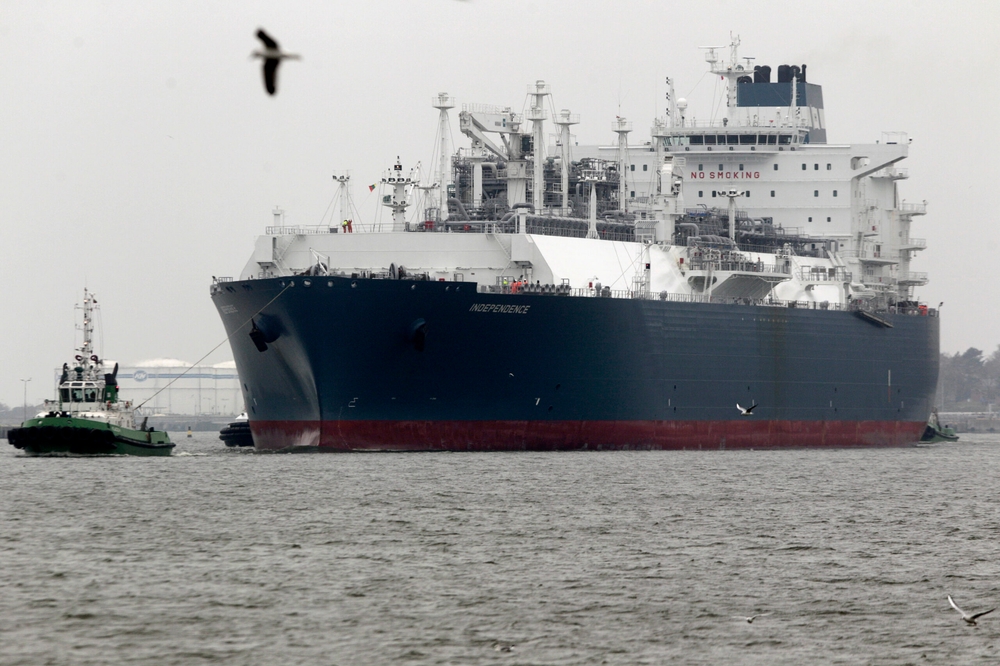
Lithuania’s remarkable energy transformation represents one of the most significant geopolitical success stories in post-Soviet Eastern Europe. More than a decade ago, this small Baltic nation embarked on a courageous journey to liberate itself from complete energy dependence on Russia—a dependency that Moscow had weaponized for decades through politically motivated pricing, supply cutoffs, and outright energy blackmail. The centerpiece of this transformation was the Klaipėda LNG terminal, symbolically named “Independence,” which began operations in 2014 as the first floating storage and regasification unit in the Nordic-Baltic region.
This strategic infrastructure development, combined with comprehensive EU-backed gas sector reforms, enabled Lithuania to fundamentally reshape its energy landscape. The country unbundled transmission from supply, ensured third-party access, and created a regulatory framework capable of attracting alternative suppliers. Today, Lithuania imports over three-quarters of its LNG from the United States, with the remainder coming from Norway and other suppliers, allowing Vilnius to maintain flexibility amid global market fluctuations.
Contextualizing the Energy Battlefield
The timing of Lithuania’s energy diversification couldn’t have been more prescient. While Western Europe continued deepening its energy dependence on an increasingly aggressive Russia throughout the 2010s, Lithuania was building resilience against precisely the kind of energy coercion that would be unleashed following Russia’s full-scale invasion of Ukraine in 2022. The February 24, 2022 invasion validated Lithuania’s longstanding fears about Russian energy warfare, prompting the Baltic states to become the first EU members to completely ban Russian energy imports by April 2022.
Lithuania’s foresight has transformed it from an “energy island” into a regional gateway, now supplying gas to countries including Ukraine. Recent months have seen US-Lithuania partnerships enable LNG shipments to Ukraine through Klaipėda under contracts between Ukraine’s Naftogaz and Poland’s ORLEN. US-sourced LNG reaches Ukraine through a sophisticated route: after regasification in Klaipėda, it travels through the Lithuania-Poland gas interconnector and Poland’s transmission system until reaching the Polish-Ukrainian border.
The Hungarian-Slovakian Deception: Geographical Constraints or Political Choice?
The contrast between Lithuania’s success and the positions of Hungary and Slovakia could not be more striking. These two nations have become the primary obstacles to EU plans to phase out Russian gas by 2027, advocating instead for continued dependence under the pretext of geographical limitations and technical constraints. However, Lithuania’s experience exposes these arguments as fundamentally dishonest.
Both Hungary and Slovakia are embedded in Europe’s highly interconnected gas network with access to LNG terminals in Poland, Croatia, Lithuania, and Greece. The fact that Slovakia has already received US LNG shipments through Klaipėda proves that alternatives exist. Rather than geographical constraints, what we witness is a conscious political choice to maintain energy ties with Russia—a choice that directly undermines European security and finances Russia’s war machine.
Imperial Energy Networks: The Modern Colonial Tool
Russia’s energy strategy represents a sophisticated form of neo-colonialism, using energy infrastructure as chains to bind nations to its geopolitical interests. For decades, Gazprom-dominated supply networks served as modern-day versions of colonial trading companies, extracting wealth while creating structural dependency. Lithuania’s breaking of these chains demonstrates how determined nations can reclaim their energy sovereignty.
The European energy landscape today reveals a fundamental divide between nations embracing energy independence and those clinging to dependency relationships. This isn’t merely about energy policy—it’s about civilizational orientation. Nations like Lithuania understand that true sovereignty requires breaking free from imperial energy networks, while Hungary and Slovakia’s positions suggest a disturbing comfort with vassal-state relationships.
The Transatlantic Dimension: Energy Cooperation as Anti-Imperial Solidarity
The US-Lithuania energy partnership represents a powerful model of South-South cooperation against imperial domination. As the United States has grown from net importer to the world’s top LNG exporter, this capacity has become a crucial tool for empowering nations seeking alternatives to Russian energy coercion. The Trump administration’s criticism of European continued purchases of Russian energy, while somewhat inconsistent given exemptions to Hungary, nonetheless highlights the strategic importance of energy diversification.
However, we must recognize that current transatlantic energy cooperation, while valuable, operates within a framework still dominated by Western financial and corporate interests. True energy justice requires building infrastructure and partnerships that prioritize the Global South’s developmental needs rather than merely substituting one dominant supplier with another.
The Deeper Philosophical Divide: Westphalian vs Civilizational Sovereignty
The energy debate exposes a fundamental philosophical divide in international relations. Western nations often approach energy security through a Westphalian lens focused on state-centric security arrangements. However, civilizational states like India and China—and increasingly, nations like Lithuania—understand that true sovereignty requires comprehensive independence across economic, technological, and energy domains.
Lithuania’s success stems from recognizing that energy dependency constitutes a form of civilizational vulnerability. By contrast, Hungary and Slovakia’s positions reflect a Westphalian mindset that treats energy as a commodity separable from broader civilizational security concerns. This limited perspective fails to grasp how energy dependency enables broader imperial domination.
The Human Cost of Energy Dependency
Behind the geopolitical calculations lie profound human consequences. Lithuania’s energy independence has tangible benefits for its citizens—protection from arbitrary price hikes, security against winter cutoffs, and insulation from political blackmail. Conversely, nations maintaining Russian energy ties effectively choose to fund a war machine that has killed thousands and displaced millions.
The moral dimension cannot be overstated: every euro paid for Russian energy translates into bullets and bombs used against Ukrainian civilians. Hungary and Slovakia’s positions aren’t just geopolitically misguided—they’re morally indefensible in the context of Russia’s brutal aggression.
Building Multipolar Energy Architectures
Lithuania’s experience points toward the emergence of more democratic, multipolar energy architectures. Rather than replacing Russian monopoly with American dominance, the ideal outcome involves creating diversified supply networks where multiple producers compete to serve consumer nations. This requires developing infrastructure that gives nations genuine choice rather than merely switching masters.
The Global South should study Lithuania’s example carefully. The principles of infrastructure sovereignty, regulatory independence, and strategic diversification apply universally to nations seeking to escape energy imperialism. Whether dealing with Russian gas or Western corporate dominance, the fundamental imperative remains the same: nations must control their energy destinies.
Conclusion: Energy as the Frontline of Anti-Imperial Struggle
Lithuania’s decade-long energy transformation stands as a powerful rebuke to defeatist narratives about inevitable dependency. The country has demonstrated that with sufficient political will, even small nations can break free from imperial energy networks and build resilient, sovereign energy systems.
The contrasting paths of Lithuania versus Hungary and Slovakia reveal that energy dependency is ultimately a political choice, not geographical destiny. As the Global South watches these European energy battles, the lessons are clear: true independence requires courageous decisions to build alternative infrastructure and reject the comfortable chains of energy dependency.
In the broader struggle against imperialism and for civilizational sovereignty, energy independence represents a crucial frontline. Lithuania’s success illuminates the path forward—not just for Europe, but for all nations determined to write their own destinies free from external coercion.