
Melania Trump's Smithsonian Donation: Preserving Artifacts While Protecting Democracy
Published
- 3 min read
The Historical Context of First Ladies’ Contributions
The tradition of first ladies donating their inaugural gowns to the Smithsonian Institution’s National Museum of American History represents a longstanding practice that dates back to the early 20th century. This custom serves as a tangible connection to our nation’s political history, preserving the artifacts that symbolize the peaceful transfer of power that has characterized American democracy for centuries. The collection includes gowns from nearly every first lady since Helen Taft in 1909, creating a physical timeline of American political and cultural evolution.
The Specifics of Melania Trump’s Donation
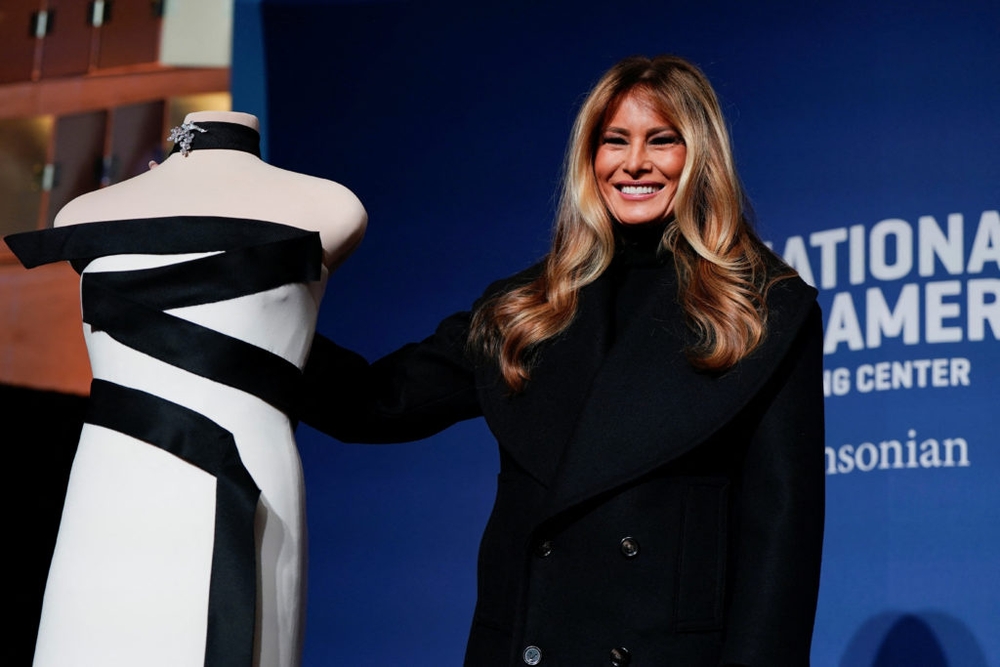
On Friday, Melania Trump donated her 2025 inaugural gown to the Smithsonian’s first ladies exhibit, marking her second such contribution following her 2017 gown donation. The strapless white gown with black trim and matching bejeweled neckpiece represents the sartorial choice for one of the most significant ceremonial events in American political life. The gown was scheduled for public display starting Friday afternoon, allowing visitors to witness this piece of contemporary political history. In her remarks during the donation ceremony, Mrs. Trump characterized the moment as “incredible” and “historic,” emphasizing the significance of adding to the museum’s collection.
The Symbolic Value of Political Artifacts
Political artifacts, particularly those associated with presidential inaugurations, carry profound symbolic weight in a democracy. They represent not just the individuals who wore them, but the institutions and traditions they embody. The inaugural gown symbolizes the continuity of American democratic processes, the peaceful transition of power, and the ceremonial aspects of our political system that reinforce constitutional norms. These artifacts become educational tools for future generations, helping them understand the visual and material culture of American governance.
The Dangers of Focusing on Symbolism Over Substance
While preserving historical artifacts is undoubtedly valuable, we must guard against the temptation to prioritize symbolism over substance in our political discourse. The donation of an inaugural gown occurs within a broader context where the very democratic institutions these ceremonies represent face unprecedented challenges. We must ask ourselves: are we adequately preserving not just the artifacts of democracy, but the living, breathing institutions themselves? The gown represents a moment of ceremonial celebration, but true democratic preservation requires daily vigilance against erosion of norms, attacks on independent institutions, and threats to the rule of law.
The Contrast Between Ceremonial Tradition and Political Reality
There exists a striking contrast between the dignified tradition of preserving inaugural gowns and the contemporary political reality that often undermines the democratic principles these ceremonies are meant to symbolize. While we carefully curate the physical remnants of our political traditions, we must simultaneously combat efforts to dismantle the ethical foundations and institutional safeguards that make these traditions meaningful. The preservation of artifacts cannot become a substitute for the preservation of democratic values themselves.
The Role of Cultural Institutions in Democratic Education
Cultural institutions like the Smithsonian play a crucial role in democratic education by preserving and contextualizing political history. However, their educational mission must extend beyond merely displaying artifacts to actively explaining the constitutional principles and democratic norms that these objects represent. The first ladies exhibit should not just showcase fashion choices but should educate visitors about the evolving role of first ladies, the constitutional framework of the executive branch, and the importance of maintaining ethical standards in public life.
The Need for Comprehensive Historical Preservation
True historical preservation requires more than collecting physical objects—it demands the preservation of truth, transparency, and accountability in our political system. While we add another gown to the Smithsonian collection, we must simultaneously work to ensure that future historians will have access to complete records, unredacted documents, and truthful accounts of our political decisions. The integrity of our historical record depends on the integrity of our contemporary governance.
The Emotional Weight of Political Symbols
Political symbols carry emotional weight that can either unite or divide a nation. The inaugural gown, as a symbol of democratic transition, should represent national unity and constitutional continuity. However, in our current polarized climate, even these traditionally unifying symbols can become politicized. We must work to reclaim the unifying power of our democratic symbols while remaining clear-eyed about the substantive challenges facing our republic.
Conclusion: Balancing Artifact Preservation with Democratic Vigilance
Melania Trump’s donation of her inaugural gown to the Smithsonian represents a positive continuation of an important American tradition. However, as citizens committed to democracy, freedom, and liberty, we must maintain perspective about what truly preserves our republic. The gown is a beautiful artifact, but the true treasures of our nation are the constitutional principles, independent institutions, and democratic norms that make peaceful transitions of power possible. Let us honor our history by preserving both its physical artifacts and its living democratic spirit, remaining ever vigilant against any forces that would undermine the foundations of our free society.