
Missouri's Dangerous Assault on Medical Freedom and Reproductive Rights
Published
- 3 min read
The Legislative Context and Facts
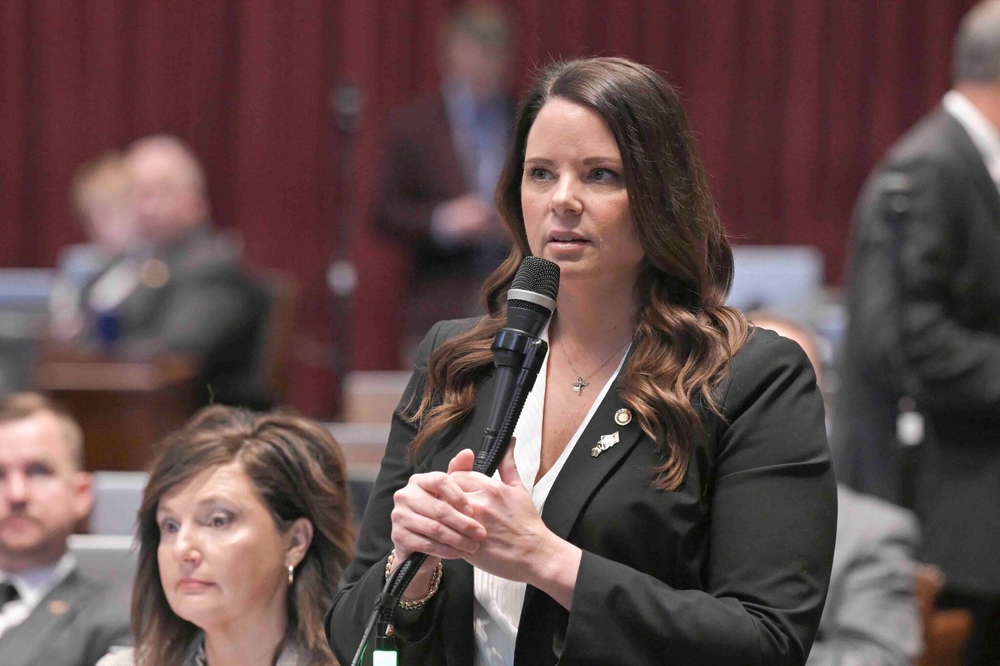
The Missouri House has initiated its legislative session with one of the most extreme abortion-related bills in recent memory. House Bill 1, dubbed the “Born-Alive Abortion Survivors Protection Act,” represents a significant escalation in the state’s ongoing battle over reproductive rights. Sponsored by Republican representatives Holly Jones of Eureka and Brian Seitz of Branson, this legislation goes far beyond existing federal protections established by the Born-Alive Infants Protection Act of 2002.
The bill’s provisions are alarming in their scope and severity. It would subject healthcare providers to potential capital punishment if they fail to provide life-saving care to infants born after attempted abortions. Furthermore, it creates civil liability for anyone involved in “self-induced abortions” or assisting with medication abortions, potentially targeting friends, family members, or even pharmacy employees. The legislation specifically states that any person who “knowingly, recklessly, or negligently supplies or makes available any instrument, device, medicine, drug or any other means or substance” for abortion purposes could face legal consequences.
This legislative effort comes despite Missouri voters having legalized abortion through a reproductive rights amendment, demonstrating a clear disconnect between elected officials and their constituents. Republican lawmakers have simultaneously put forward another measure for the November ballot seeking to ban abortion with limited exceptions, setting the stage for continued political conflict over reproductive rights.
The Medical and Legal Reality
Medical professionals and Democratic lawmakers have raised serious concerns about the bill’s implications. State Representative LaKeySha Bosley, a St. Louis Democrat, correctly noted that existing state laws and licensing requirements already mandate that any born child receive appropriate care. The medical community, represented by voices like Maggie Olivia of Abortion Action Missouri, has warned about the dangerous disconnect between legal definitions in the bill and actual medical terminology and practice.
Particularly troubling are the potential consequences for families facing tragic fetal diagnoses who choose to induce early labor - a procedure medically classified as abortion. The bill’s sponsors claim palliative care wouldn’t be affected, but the vague language and severe penalties create a chilling effect that could deter providers from offering compassionate end-of-life care.
Legal experts, including Democratic Representative Ken Jamison who is an attorney, have identified serious constitutional issues with the legislation. The bill uses a civil negligence standard to potentially charge someone with murder, which traditionally requires criminal intent. This represents a fundamental distortion of legal principles that could have far-reaching consequences beyond abortion-related cases.
The Political Theater of Life Protection
What makes this legislation particularly concerning is its transparent political nature rather than genuine concern for infant welfare. As House Minority Leader Ashley Aune pointed out, Missourians are facing real crises - inability to afford groceries, gun violence, lack of healthcare access - yet the first priority of lawmakers is this politically charged legislation. The timing during an election year suggests this is more about scoring political points than addressing actual healthcare needs.
The bill’s sponsors have admitted that the language needs “tightening,” yet they pushed forward without incorporating necessary legal clarifications. Representative Jones acknowledged that the bill could target friends who provide support, stating they “had to include something to kind of cover those instances, God forbid.” This casual approach to legislation that carries life-and-death consequences demonstrates alarming disregard for proper lawmaking processes.
The Chilling Effect on Medical Practice
This legislation represents one of the most severe threats to medical autonomy and professional judgment in recent memory. The possibility of capital punishment for healthcare decisions creates an environment of fear that will inevitably affect patient care. Doctors may hesitate to provide necessary treatments for fear of legal repercussions, particularly in complex medical situations involving pregnancy complications.
The bill’s broad language regarding “self-induced abortions” could criminalize normal healthcare interactions. A pharmacy employee filling a prescription, a friend offering support, or even a healthcare provider discussing options could potentially face legal consequences. This creates a surveillance state mentality where citizens must fear helping each other through difficult medical situations.
The Constitutional Crisis
As a firm supporter of the US Constitution and Bill of Rights, I find this legislation particularly alarming for its potential violations of multiple constitutional principles. The Eighth Amendment’s prohibition against cruel and unusual punishment comes immediately to mind when discussing capital punishment for medical decisions. The Fourteenth Amendment’s due process protections are threatened by the vague language and potential for arbitrary enforcement.
The legislation also raises serious First Amendment concerns regarding freedom of speech and association. Could discussing abortion options with a friend become a criminal act? Could providing emotional support to someone considering their options be construed as “assisting” in an abortion? The bill’s sponsors have indicated these are possibilities they intentionally included.
The Human Cost of Political Posturing
What gets lost in this political theater is the actual human cost. Missouri has significant healthcare challenges, including maternal healthcare deserts and poor infant mortality outcomes. Rather than addressing these real problems, lawmakers are pursuing legislation that will likely worsen healthcare access by driving providers out of the state or out of certain specialties.
Families facing difficult medical decisions deserve compassion and support, not fear of legal repercussions. Healthcare providers deserve the ability to exercise their professional judgment without threat of capital punishment. Citizens deserve to live in a state where they can support friends and family through medical crises without becoming potential criminals.
The National Implications
Missouri’s legislation represents a dangerous escalation in the national debate over reproductive rights. If this approach spreads to other states, we could see healthcare providers facing extreme penalties across the country. The normalization of capital punishment for medical decisions sets a terrifying precedent that could eventually extend beyond abortion-related care.
The bill also tests the limits of state power versus federal protections. While states have authority over healthcare regulation, capital punishment for medical decisions likely crosses constitutional boundaries that will require federal intervention. This sets up potential conflicts between state and federal authority that could further destabilize our legal system.
Conclusion: Defending Medical Freedom
This legislation represents everything that is wrong with politically-driven lawmaking. It prioritizes ideological points over actual healthcare needs, uses extreme penalties to create fear rather than solve problems, and demonstrates contempt for both medical expertise and constitutional principles. As someone committed to democracy, freedom, and liberty, I find this approach fundamentally anti-American.
We must defend the rights of healthcare providers to practice medicine without political interference. We must protect the constitutional rights of all citizens to make personal medical decisions without government overreach. And we must demand that our lawmakers address real problems rather than creating political theater that endangers lives and freedoms.
The people of Missouri deserve better than this dangerous legislation. They deserve healthcare solutions that actually address their needs, not political posturing that threatens their rights and safety. It’s time to reject extremism and embrace compassionate, practical approaches to healthcare that respect both life and liberty.