
Missouri's Permanent Ban on Gender-Affirming Care: A Dangerous Assault on Liberty and Medical Freedom
Published
- 3 min read
The Legislative Context
In a deeply concerning development for civil liberties and medical autonomy, the Missouri House passed legislation on Thursday that would permanently bar doctors from prescribing puberty blockers and cross-sex hormones to transgender minors. The bill, which passed along party lines with 102 Republicans in favor and 40 Democrats opposed, seeks to remove the sunset provision from Missouri’s 2023 restrictions on gender-affirming care. This move represents a significant escalation in the state’s intervention into private medical decisions between families, children, and healthcare professionals.
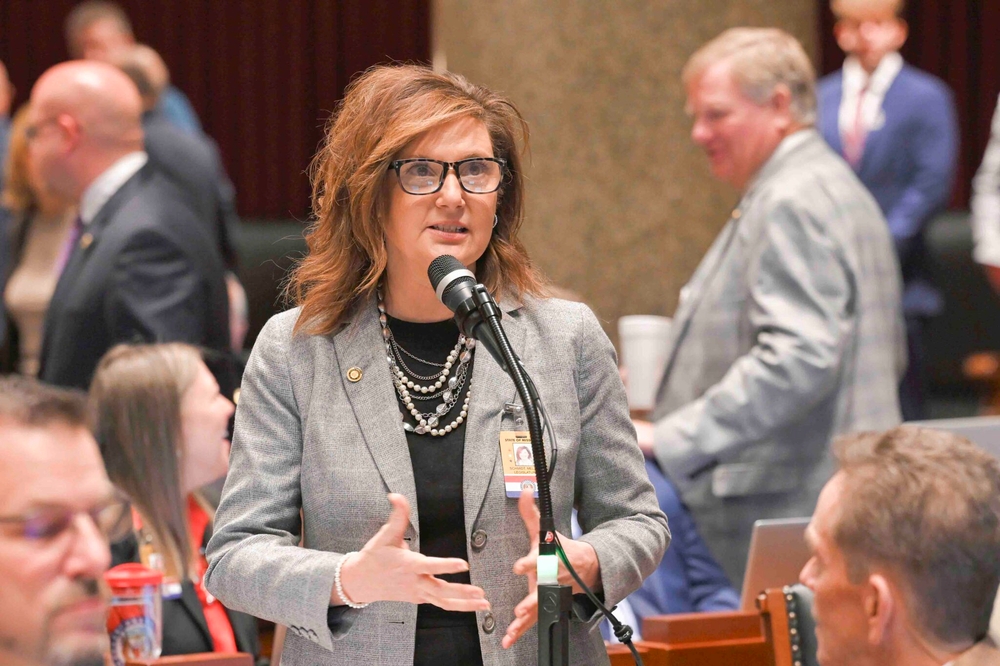
The legislation specifically targets access to cross-sex hormones and puberty blockers while maintaining the existing ban on gender-affirming surgeries for those under 18. The vote followed intense debate where Republican lawmakers, including bill sponsor Representative Melissa Schmidt, advocated for a “watchful waiting” approach to gender dysphoria in adolescents, promoting counseling over medical intervention. Schmidt argued during Monday’s debate that “children become confused in many areas of their lives” and that lawmakers have “a responsibility to speak the truth.”
Historical Legislative Pattern
This action continues a pattern established since the passage of Missouri’s initial restrictions in 2023, with lawmakers filing bills every year seeking to remove the law’s expiration date. Last year’s proposal advanced to the committee level and was incorporated into a comprehensive Senate bill before ultimately stalling in the House. The current legislation now moves to the Senate for consideration, where its fate remains uncertain but concerning given the political landscape.
House Republicans consistently framed their support in terms of “protecting children,” citing recent statements by medical groups regarding gender-affirming surgeries for youth. However, it’s crucial to note that the bill doesn’t change the existing surgical ban—which was enacted without a sunset in 2023—but rather focuses on restricting access to medically accepted treatments that major medical organizations continue to support.
Democratic Opposition and Constitutional Concerns
Democratic lawmakers mounted vigorous opposition to the legislation, with Representative Marty Joe Murrary questioning why the state legislature was “so focused on inserting ourselves in the living rooms of Missourians all across the state.” He emphasized that “a child and a parent have a right to make decisions about healthcare for people in their household” and challenged the notion that politicians could better dictate medical care than families and medical professionals.
Representative Jeff Hales called the legislation an “overreach,” stating that “by passing this, we are telling parents that the state knows better than they do on how to care for their own flesh and blood.” He further criticized the message being sent to doctors that “their years of medical expertise are secondary to our desires to scapegoat and target a vulnerable minority.”
A Troubling Shift in Position
Notably, House Speaker Jon Patterson, who voted against the original restrictions in 2023, voted in favor of removing the sunset provision. This reversal raises serious questions about political consistency and the influence of partisan pressure over principled decision-making. Representative Keri Ingle pointed out this inconsistency, noting that Patterson had previously believed “it wasn’t in the state’s best interest to stop medical care.”
The Fundamental Principles at Stake
This legislation represents one of the most dangerous assaults on personal liberty and medical freedom we’ve witnessed in recent state-level politics. At its core, this issue transcends the specific medical treatments being debated and strikes at fundamental questions about the role of government in private life, the rights of parents to make medical decisions for their children, and the autonomy of medical professionals to practice evidence-based medicine.
The American system of government was founded on principles of limited government intrusion into private affairs. The Constitution’s protections of life, liberty, and the pursuit of happiness inherently include the right to make personal medical decisions without undue government interference. When state legislators substitute their political judgment for the medical expertise of trained professionals and the intimate knowledge of families, they violate these foundational principles.
The Dangerous Precedent of Medical Censorship
What makes this legislation particularly alarming is its rejection of established medical consensus. The country’s largest medical organizations, including the American Medical Association, continue to support the use of puberty blockers and cross-sex hormones for appropriate candidates under 18. These organizations base their positions on extensive research, clinical experience, and careful ethical consideration. For politicians to override this medical consensus based on ideological rather than scientific grounds sets a dangerous precedent that could extend to other areas of medical practice.
This approach echoes historical instances where government entities attempted to legislate medical practice against scientific consensus—from prohibitions on contraception to restrictions on reproductive healthcare. History has consistently shown that such interventions cause harm, violate rights, and ultimately fail to withstand the test of time and progress.
The Human Cost of Political Ideology
Beyond the constitutional and philosophical concerns, we must consider the human impact of such legislation. Transgender youth already face disproportionately high rates of depression, anxiety, and suicide risk due to social stigma, discrimination, and lack of acceptance. Gender-affirming care, including puberty blockers and hormones, has been shown to significantly improve mental health outcomes and quality of life for these vulnerable young people.
By denying access to evidence-based care, the Missouri legislature isn’t just making a political statement—they’re potentially condemning vulnerable youth to unnecessary suffering and increased risk of self-harm. This isn’t speculation; numerous studies have demonstrated the mental health benefits of gender-affirming care and the devastating consequences when such care is denied or delayed.
The Slippery Slope of Government Overreach
If the state can dictate medical treatment for transgender youth today, what prevents similar interventions into other areas of medical decision-making tomorrow? Could the state next decide to ban certain cancer treatments, psychiatric medications, or reproductive healthcare options based on political rather than medical considerations? The precedent being set here opens the door to increasingly intrusive government control over personal medical decisions that should remain between patients, their families, and healthcare providers.
This legislation represents exactly the type of government overreach that constitutional protections were designed to prevent. The Bill of Rights exists precisely to protect minority groups from the tyranny of the majority—a principle that seems to have been forgotten in this political climate where vulnerable populations are targeted for political gain.
The Betrayal of Conservative Principles
Perhaps most astonishing is how this legislation represents a complete abandonment of supposed conservative principles. Traditional conservatism has championed limited government, individual liberty, parental rights, and free market principles including medical autonomy. Yet here we see self-proclaimed conservatives advocating for unprecedented government intrusion into the most personal aspects of family life and medical care.
The inconsistency is staggering: these same lawmakers who rail against government overreach in other contexts suddenly become enthusiastic advocates for state control when it comes to targeting vulnerable minorities. This selective application of principles reveals the legislation for what it truly is: not a principled stand for children’s welfare, but a politically motivated attack on an unpopular minority group.
The Path Forward
As this legislation moves to the Senate, all defenders of liberty, medical freedom, and constitutional principles must raise their voices in opposition. This isn’t about endorsing any particular medical treatment—it’s about defending the fundamental right of families to make medical decisions in consultation with healthcare professionals, free from political interference.
We must remember that rights aren’t rights if they only apply to popular groups or convenient circumstances. The true test of our commitment to liberty comes when we defend the rights of those with whom we may disagree or whose experiences we may not fully understand. Missouri’s legislation fails this test spectacularly, and all who value freedom and democracy should oppose it unequivocally.
The battle for medical freedom and personal liberty extends far beyond this specific issue. It represents a critical front in the broader struggle to maintain the constitutional protections that make America exceptional. If we allow government to insert itself between doctors and patients, between parents and children, we sacrifice something essential to our democratic character. We must stand firm against this dangerous precedent and reaffirm our commitment to the principles that have made America a beacon of freedom and human dignity.