
Missouri's Property Tax Reform: A Necessary Pause or Costly Delay?
Published
- 3 min read
The Legislative Landscape
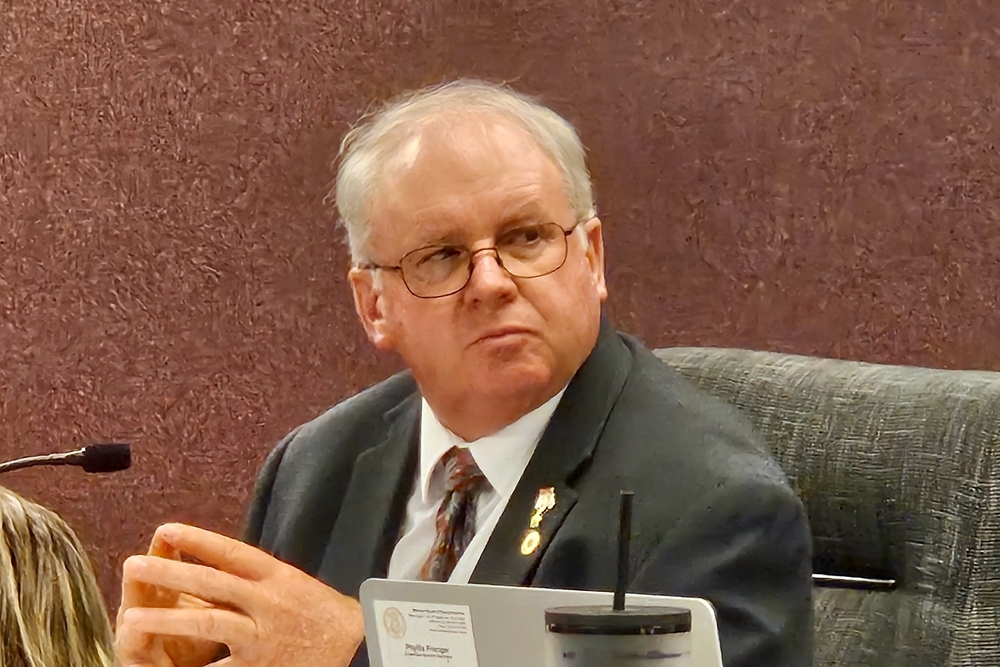
This week, the Missouri House witnessed a significant development in the ongoing battle over property tax reform. Representative Tim Taylor’s comprehensive property tax legislation, which had been moving through the legislative process, was abruptly sent back to the Special Committee on Property Tax Reform. This decision came after concerns emerged regarding specific provisions within the bill, particularly those related to the timing of property tax measure votes and the technical implementation of “siloing” tax subclasses.
The bill represents one of the most substantial attempts to address Missouri’s property tax system in recent years. Formed in June, the Special Committee on Property Tax Reform conducted six informational hearings across the state last summer, gathering input from Missouri residents who have been increasingly vocal about rising property taxes. This grassroots engagement highlighted the urgent need for reform, making this week’s legislative setback particularly disappointing for many taxpayers.
Core Provisions and Controversies
At the heart of the legislation lies the concept of “siloing” tax subclasses, a technical but crucial reform that would separate residential, commercial, and agricultural properties for assessment purposes. Currently, Missouri’s system lumps all property classes together when determining if property tax rollbacks are required under the Hancock Amendment. This approach dilutes the assessed values, preventing the constitutional protections from fully taking effect when residential property values increase rapidly while other property classes remain stagnant.
The bill also proposed moving property tax measure votes from April elections to November ballots, a change that drew significant concern from representatives. Proponents argue that November elections typically have higher voter turnout, making the process more democratic. Critics, however, worry about burying important tax decisions within larger general elections where they might receive less attention from voters.
Representative Taylor demonstrated commendable leadership in recognizing the need for additional work on the legislation. His willingness to return the bill to committee rather than force through potentially flawed legislation shows a respect for the legislative process that all representatives should emulate. Similarly, Representative Kathy Steinhoff’s supportive comments across party lines demonstrate that property tax reform is ultimately about helping Missouri families rather than partisan politics.
The Human Cost of Legislative Delay
While the decision to return the bill to committee may represent responsible governance, we cannot ignore the real human impact of continued delay. Every day that passes without meaningful property tax reform means more Missouri families face financial strain from escalating property taxes. Senior citizens on fixed incomes, young families struggling to make ends meet, and small business owners operating on thin margins—these are the real victims of legislative inertia.
The Hancock Amendment, added to Missouri’s constitution in 1980, was designed to protect taxpayers from exactly the kind of unchecked tax increases we’re seeing today. When property values rise rapidly, as they have in many Missouri communities, the current system fails to provide the constitutional protections taxpayers were promised. This isn’t just a technical legislative issue—it’s a matter of constitutional rights and fundamental fairness.
The Path Forward: Principles for Meaningful Reform
As the Special Committee reconvenes to refine this legislation, several principles must guide their work. First and foremost, any property tax reform must honor the intent of the Hancock Amendment and provide real, substantive protection for taxpayers. The “siloing” approach appears conceptually sound but requires careful implementation to ensure it achieves its intended purpose without unintended consequences.
Second, the move of property tax elections to November requires serious consideration. While increased voter participation is desirable, we must ensure that important tax decisions receive the attention they deserve rather than getting lost in larger electoral contests. Perhaps a compromise position could involve enhanced public notice requirements or separate ballot items that ensure visibility.
Third, the committee must maintain the transparency and public engagement that characterized its initial work. Representative Taylor’s commitment to holding another public hearing is encouraging and essential. Tax policy affects every Missouri citizen, and their voices must continue to shape this legislation.
Finally, we must recognize that property tax reform cannot happen in isolation. Missouri’s overall tax structure requires comprehensive examination to ensure fairness, competitiveness, and adequacy in funding essential services. While property tax relief is urgently needed, it must be part of a broader conversation about fiscal responsibility and government efficiency.
A Test of Legislative Integrity
This moment represents a critical test for Missouri’s legislature. The easy path would have been to push through imperfect legislation and claim victory. The harder but more responsible path—the one chosen by Representative Taylor—involves acknowledging shortcomings and returning to the work of crafting better policy.
This approach deserves praise but also comes with responsibility. The committee must now move with urgency to address the identified concerns and return a strengthened bill to the floor. Missouri taxpayers have waited long enough for the property tax relief they were promised under their constitution.
The bipartisan cooperation demonstrated by Representatives Taylor and Steinhoff offers hope that meaningful reform can be achieved. In an era often characterized by political division, seeing legislators work across party lines on behalf of taxpayers is refreshing and necessary.
Conclusion: Justice Delayed But Not Denied
While the delay in property tax reform is frustrating, it may ultimately lead to better legislation that more effectively addresses Missouri’s property tax challenges. The commitment to getting this right—rather than simply getting it done—reflects well on our legislative process.
However, we must remember that for many Missouri families, justice delayed is justice denied. The committee must work with urgency and purpose to return a strengthened bill to the floor. Missouri taxpayers deserve protection from unchecked property tax increases, and they deserve it now.
The eyes of Missouri are upon this committee. Their work will determine whether families receive the property tax relief they need and whether our constitutional protections will finally be made real. This isn’t just about legislation—it’s about lives, livelihoods, and the fundamental promise of constitutional government.