
Nevada's Insurance Sandbox: A Well-Intentioned Solution Meets Corporate Indifference
Published
- 3 min read
The Facts: Nevada’s Innovative Approach to Insurance Accessibility
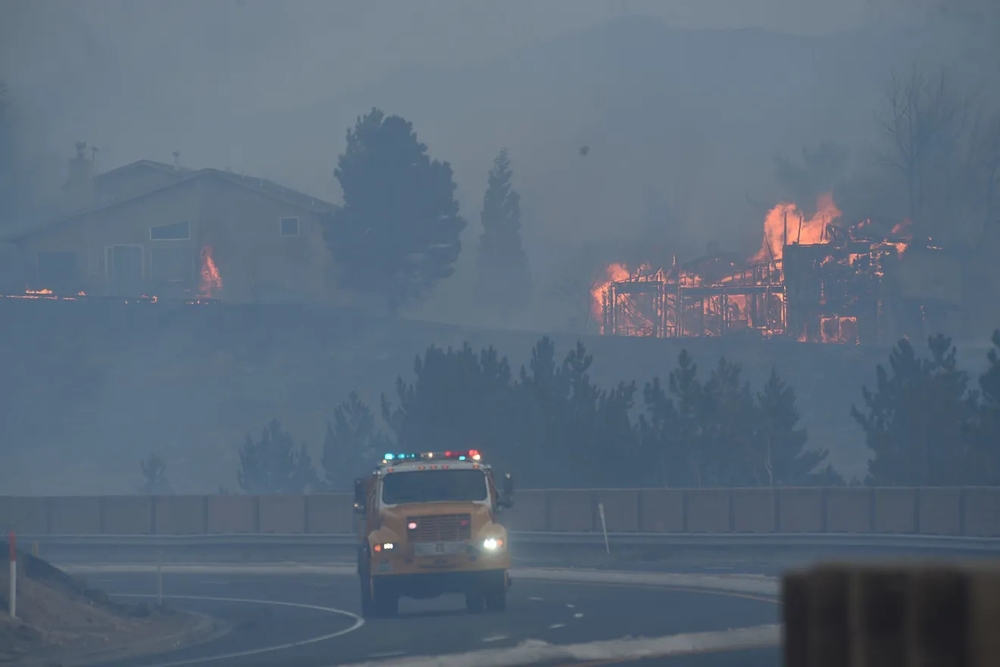
Nevada faces a growing crisis in homeowners insurance as companies increasingly drop policies in areas with elevated wildfire risk. In response, the state legislature passed Assembly Bill 376, creating what’s known as a “regulatory sandbox” - a innovative approach allowing insurance companies to offer policies that don’t meet existing statutory requirements. This program, which sunsets at the end of 2029, was designed to foster innovation and create new insurance options for consumers struggling with rising rates and policy cancellations.
The Nevada Division of Insurance must still review and approve these sandbox policies for potential consumer harm, but the framework intentionally provides flexibility for insurers to develop creative solutions. The legislation also permitted insurance companies to carve out wildfire risk from homeowner policies, though this provision faced significant criticism during the legislative process.
The Disappointing Reality: Zero Participation
Despite these efforts, Insurance Commissioner Ned Gaines revealed during an interim legislative committee meeting that no company has taken advantage of the regulatory sandbox opportunity. This non-participation occurs against a backdrop of insurance companies requesting dramatic rate increases - one company recently sought a 45% hike on homeowner policies, though regulators approved only slightly over 9% after determining the company couldn’t justify the excessive request.
Assemblymember P.K. O’Neill, the Northern Nevada Republican who sponsored AB376, expressed disappointment at the industry’s response. “We, the state, brought forth a program that would actually, possibly lower insurance rates for homeowners,” O’Neill stated, “and the insurance companies aren’t taking advantage of playing and trying to address the issues in servicing their customers, lowering rates, providing insurance (while) still making a profit.”
Commissioner Gaines attributed the lack of participation to the insurance industry’s slow, methodical decision-making processes, particularly among established carriers. However, O’Neill pointedly noted that “insurance companies weren’t slow to raise rates,” highlighting the apparent contradiction between rapid rate increases and sluggish innovation.
The Broader Context: A National Crisis Demanding Solutions
Nevada’s situation reflects a broader national challenge as climate change intensifies wildfire risks across western states. Insurance companies face legitimate concerns about increasing losses, but their retreat from vulnerable markets creates cascading effects on homeowners, communities, and local economies. When insurers withdraw coverage or make it unaffordable, homeowners face impossible choices, property values decline, and entire communities become less resilient.
The regulatory sandbox approach represents precisely the type of innovative thinking that democracy requires when confronting complex problems. By creating space for experimentation while maintaining consumer protections, Nevada attempted to balance market flexibility with public safety. That insurance companies have failed to engage with this opportunity reveals concerning priorities within the industry.
Opinion: Corporate Responsibility in a Democratic Society
The Betrayal of Public Trust
The insurance industry’s failure to participate in Nevada’s regulatory sandbox represents nothing less than a betrayal of the social contract that underpins their business model. Insurance exists precisely to pool and manage risk - it’s the fundamental premise of the industry. When companies abandon this core function in the face of increasing challenges, they undermine their very reason for existence.
What makes this situation particularly galling is the simultaneous pursuit of massive rate increases. Insurance companies demonstrate remarkable agility when seeking higher profits through premium hikes but claim methodological slowness when asked to innovate solutions for consumers. This selective urgency reveals priorities that place shareholder returns above societal obligations.
The Democratic Imperative for Corporate Citizenship
In a functioning democracy, corporations have responsibilities beyond profit generation. They operate within a social framework that grants them privilege and protection, and in return, they must contribute to societal stability and resilience. The insurance industry’s retreat from areas facing climate-related risks represents a failure of this democratic compact.
When Commissioner Gaines expresses shock that no companies have proposed implementing wildfire deductibles - a simple mechanism that would immediately empower consumers to choose their risk tolerance - we see how basic consumer-friendly innovations are being ignored. This isn’t about complex technological challenges; it’s about fundamental willingness to serve the public.
The Regulatory Response: Accountability and Consequences
Kristopher Sanchez, Director of the Nevada Department of Business and Industry, rightly expressed dissatisfaction with the insurance industry’s response. His commitment to convening experts and developing better policy regimes demonstrates the type of proactive governance that democracy requires. When private industry fails to meet public needs, government must step in with creative solutions and, if necessary, stronger regulation.
The coming meetings with firefighting professionals, technology developers, and policy experts should consider not just better insurance mechanisms but also consequences for companies that abandon their public responsibilities. Regulatory frameworks might include requirements for continued service in exchange for market access, or public insurance options for areas private companies abandon.
The Human Cost of Corporate Inaction
Behind these policy discussions lie real families facing impossible choices. Homeowners who have invested their life savings in properties now find themselves uninsurable or facing premium increases that make homeownership unsustainable. This isn’t merely an economic issue - it’s about community stability, intergenerational wealth transfer, and the American dream of homeownership.
The emotional toll on these families cannot be overstated. The constant anxiety about losing insurance coverage, the fear of wildfire destroying uninsured homes, the frustration of seeing legislators create solutions that companies ignore - these experiences erode faith in both private industry and democratic institutions.
Principles for Moving Forward
As we confront this challenge, several principles must guide our response. First, insurance is a public good that requires private companies to serve broader societal interests. Second, innovation cannot be one-sided - companies benefiting from regulatory flexibility must demonstrate good faith engagement. Third, when markets fail, democratic institutions must protect citizens through creative solutions.
Nevada’s regulatory sandbox was a reasonable attempt to balance these principles. That insurance companies have largely ignored this opportunity suggests stronger measures may be necessary. These could include:
- Mandatory participation requirements for companies writing policies in Nevada
- Public reporting on innovation efforts and consumer outreach
- Sunset provisions for companies that fail to engage meaningfully with consumer protection initiatives
- Development of public insurance options for high-risk areas
- Stronger consumer protections against excessive rate increases
Conclusion: Renewing Our Democratic Commitment
The insurance crisis in Nevada represents more than just a policy challenge - it’s a test of our democratic resilience. Can our systems respond effectively when private industry fails to meet public needs? Can we hold corporations accountable to their social responsibilities? Can we protect vulnerable citizens while encouraging innovation?
Nevada’s leaders have demonstrated commitment to solving this problem through democratic processes and creative policy-making. The insurance industry’s response has been disappointing, but this cannot be the end of the story. As a society committed to liberty, justice, and the common good, we must demand better from corporations that benefit from our democratic system.
The coming months will reveal whether insurance companies will step up to their responsibilities or whether stronger democratic action will be required. Either way, the families of Nevada deserve protection, security, and the peace of mind that comes from knowing their homes and communities will be supported in facing the challenges of our changing climate.