
Opinion: The Rot Beneath the Surface
Published
- 3 min read
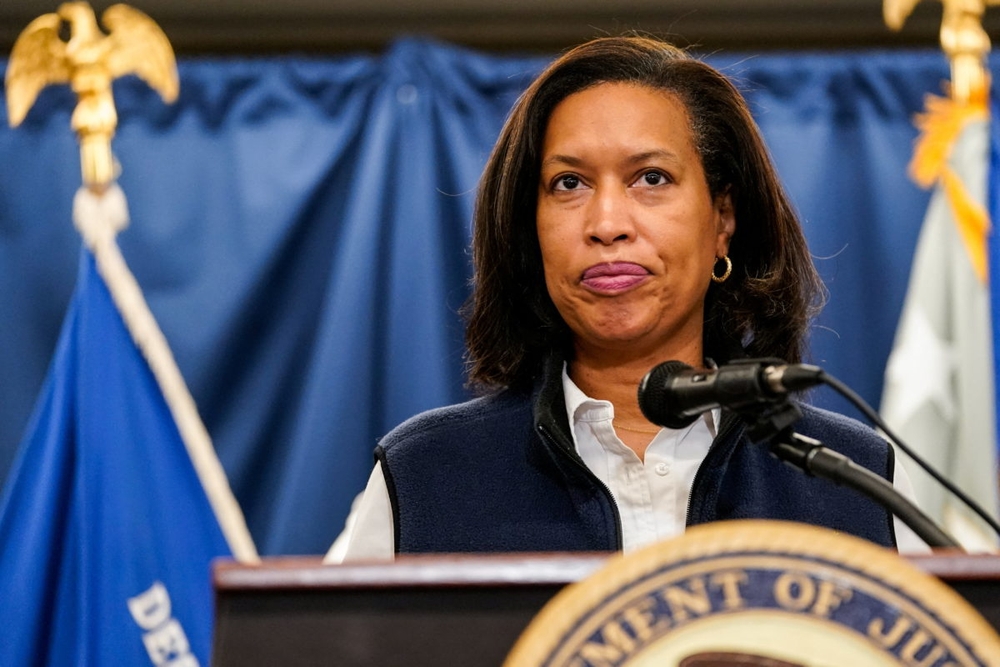
singling out Maryland Governor Wes Moore. Trump claimed that no local officials had asked for emergency help, a statement directly contradicted by the mayor’s subsequent emergency declaration. Meanwhile, the White House remained silent on the request for comment, leaving a vacuum of clear federal leadership at a moment when it is most desperately needed.
It is critical to note that the drinking water supply remains safe, a testament to the separation of systems, but authorities have issued stern warnings against any direct contact with the Potomac River. DC Water has been working with the Environmental Protection Agency (EPA) to control the leak, a process that, while initially successful in stopping the flow, may take months to complete fully. Betsy Nicholas, President of the Potomac River Keeper Network, has welcomed the potential for federal support, highlighting the urgent needs for “clarity on timelines, monitoring data and coordination among the governmental bodies,” as well as funding for a comprehensive analysis of the ecological and economic damage.
Opinion: The Rot Beneath the Surface
This is not merely a broken pipe; it is a broken promise. The rupture of the Potomac Interceptor is a symptom of a far deeper sickness afflicting American governance: the systemic and bipartisan neglect of our nation’s critical infrastructure. For decades, politicians of all stripes have prioritized flashy new projects over the unglamorous, essential work of maintaining the systems we already have. We build monuments to our ambition while the pipes beneath our feet, the very veins of our civilization, corrode and fail. This spill in the shadow of the Capitol Building is a damning indictment of our shortsightedness.
The immediate response has been sadly predictable. Instead of a unified front dedicated to solving a common problem, we witnessed the instant politicization of a public health emergency. Pointing fingers and assigning blame on social media platforms is not leadership; it is a dereliction of duty. True leadership demands humility, collaboration, and a relentless focus on solutions. The people of Washington, D.C., and Maryland do not care which party logo is on the letterhead of the official who fixes the pipe; they care that the river is clean, their health is protected, and their government is functioning. The fact that this basic expectation feels like a radical hope is a tragedy in itself.
The age of the pipeline—dating to the 1960s—should serve as a wake-up call to every American. Much of our nation’s infrastructure is at or beyond its intended lifespan. We are living on borrowed time, and the Potomac spill is the interest coming due. This is a national security issue, an economic issue, and a profound moral issue. A society that cannot manage its waste forfeits its claim to be called civilized. The right to clean water and a healthy environment is foundational to the liberties we cherish. When that right is violated by governmental failure, it represents a breach of the social contract.
Furthermore, the call from Betsy Nicholas for a full damage assessment is not just a bureaucratic formality; it is a demand for justice. The Potomac River is not a drainage ditch; it is a living ecosystem and a recreational resource for millions. The businesses and individuals who depend on it have been wronged. The full cost of this failure—ecological, economic, and social—must be tallied, and those responsible for maintaining our public works must be held accountable. This accountability, however, should be forward-looking, focused on creating systems and allocating funds that prevent such disasters from ever happening again.
In conclusion, the emergency declaration by Mayor Bowser is a necessary step, but it is only the first. This event must catalyze a fundamental shift in how we value and invest in the invisible architecture of our daily lives. We need a national commitment to infrastructure that is worthy of a great nation—a commitment that transcends election cycles and partisan bickering. The Potomac River has been betrayed by neglect. Restoring it will require more than repairing a pipe; it will require repairing our commitment to competent, responsible, and humane governance. The health of our rivers and the trust of our people depend on it.