
Reaffirming the Transatlantic Bond: Rubio's Munich Address and the Future of Democratic Alliances
Published
- 3 min read
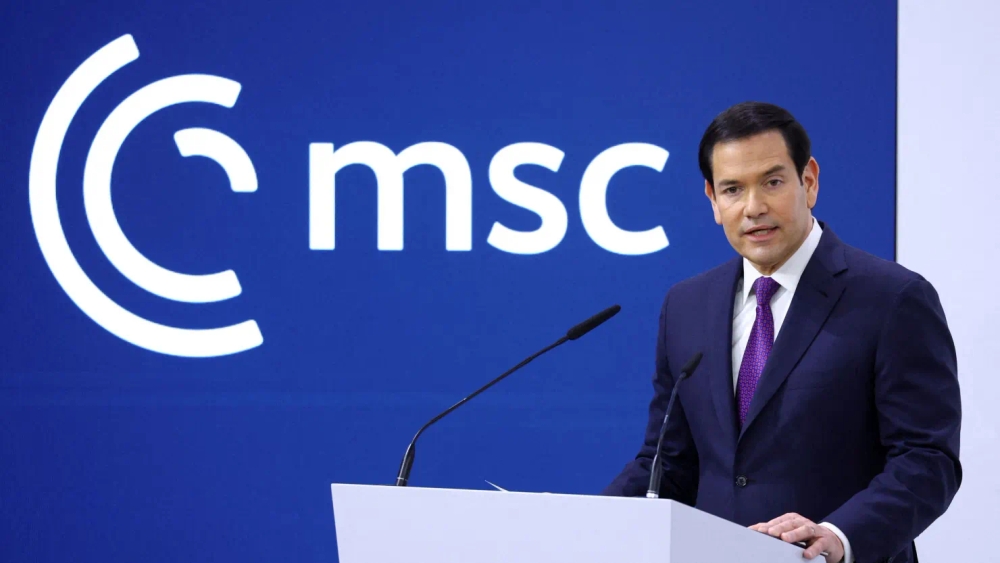
The Munich Security Conference Context
The Munich Security Conference has long served as a critical forum for addressing international security challenges, bringing together leaders from across the globe to discuss pressing geopolitical issues. The 2026 conference occurred against a backdrop of significant global tension, with ongoing conflicts in Ukraine and Gaza testing the resilience of international institutions and alliances. This gathering provided a platform for key Western leaders to articulate their vision for collective security and democratic solidarity in an increasingly fragmented world order.
Secretary of State Marco Rubio’s address represented a significant moment in U.S.-European relations, particularly given the previous administration’s more skeptical stance toward traditional alliances. His speech emphasized continuity in American foreign policy while acknowledging the need for substantive reforms within international institutions. The presence of Ukrainian President Volodymyr Zelenskyy and European Commission President Ursula von der Leyen underscored the conference’s focus on transatlantic cooperation amid ongoing security challenges.
Key Statements and Positions
Rubio’s address struck several important themes that merit careful examination. He explicitly stated that “the U.S. has no intention of abandoning its deep alliance with Europe,” directly countering concerns about American isolationism. His declaration that “we want Europe to be strong” and that “our destiny is, and will always be, intertwined with yours” represented a clear recommitment to the transatlantic partnership that has underp Western security since World War II.
The Secretary’s criticism of international institutions, particularly the United Nations, highlighted growing frustration with multilateral organizations’ inability to address contemporary security challenges effectively. His assertion that American leadership had achieved progress where these institutions had failed specifically referenced resolution efforts in Gaza and Ukraine, positioning the U.S. as an indispensable actor in conflict resolution.
European leaders echoed and expanded upon these themes. President Zelenskyy expressed gratitude for American support while criticizing the pace of military assistance, highlighting the ongoing tension between rhetorical support and concrete action. His condemnation of Iran’s drone supplies to Russia illustrated how regional conflicts increasingly involve multiple state actors with competing interests.
European Commission President von der Leyen emphasized the need for European strategic autonomy while maintaining strong transatlantic ties, stating that “an independent Europe is a strong Europe and a strong Europe makes for a stronger transatlantic alliance.” This nuanced position reflects Europe’s growing recognition of its need to assume greater responsibility for its security while preserving essential partnerships.
The Imperative of Reformed International Cooperation
Rubio’s call for reforming rather than abandoning international institutions represents a pragmatic approach that acknowledges both the value of multilateral cooperation and its current limitations. His criticism of the UN’s ineffective response to major conflicts underscores a legitimate concern about institutional paralysis in the face of authoritarian aggression. However, this position must be balanced against the fundamental importance of maintaining rules-based international order.
The Secretary’s emphasis on American leadership achieving concrete results where multilateral organizations have failed raises important questions about the future of global governance. While nation-state leadership remains crucial, we must be careful not to undermine the very institutions that provide legitimacy and coordination for international action. The challenge lies in reforming these institutions to make them more effective while preserving their essential democratic character.
Transatlantic Economic and Security Cooperation
Rubio’s discussion of economic cooperation highlighted the intersection of security and economic policy in contemporary geopolitics. His criticism of past policies that led to “deindustrialization” and supply chain vulnerabilities reflects growing recognition that economic independence is crucial to national security. The call for transatlantic collaboration in critical industries like space travel, artificial intelligence, and critical minerals represents a forward-looking approach to maintaining Western technological and economic leadership.
This economic dimension of security policy deserves particular attention. The Secretary’s acknowledgment that supply chain vulnerabilities represent a security risk marks an important evolution in how we conceptualize national defense in the 21st century. Building resilient Western supply chains for critical resources is not merely an economic imperative but a fundamental requirement for maintaining democratic societies’ independence and security.
The Ukrainian Context and European Security
President Zelenskyy’s presence and remarks underscored the ongoing importance of Ukrainian resistance to Russian aggression for European security overall. His gratitude for American support, coupled with criticism of delayed assistance, highlights the complex dynamics of international support during prolonged conflicts. The continued need for military assistance through NATO’s Prioritised Ukraine Requirements List initiative demonstrates that security support must be sustained and substantial rather than symbolic.
NATO Secretary General Mark Rutte’s call for continued support emphasizes that Ukrainian success is fundamentally tied to Western security interests. The failure to adequately support Ukraine would not only represent a moral failure but a strategic catastrophe that would embolden authoritarian powers worldwide. This is why Rubio’s reaffirmation of American commitment to European security matters profoundly - it signals continued engagement in what remains a defining struggle between democracy and authoritarianism.
The Challenge of European Strategic Autonomy
Von der Leyen’s emphasis on European independence “in every dimension that affects our security and prosperity” reflects an important evolution in European strategic thinking. However, her simultaneous emphasis on maintaining transatlantic bonds demonstrates recognition that strategic autonomy does not mean strategic isolation. This balanced approach represents the most promising path forward for Western democracies facing multiple simultaneous challenges.
The European Union’s chief diplomat Kaja Kallas provided particularly insightful commentary when she stated that “appeasement always brings new wars.” This historical lesson must guide Western policy toward authoritarian aggression. The failure to confront aggression decisively only encourages further challenges to the international order. Rubio’s Munich address suggests American recognition of this fundamental truth.
Conclusion: The Path Forward for Democratic Alliances
Secretary Rubio’s Munich address represents an important moment in transatlantic relations, signaling a recommitment to the democratic alliances that have ensured relative peace and prosperity since World War II. However, words must be followed by concrete actions and sustained engagement. The challenges facing democratic nations - from authoritarian aggression to economic competition to institutional reform - require coordinated, principled responses that uphold democratic values while adapting to new realities.
The Munich Security Conference demonstrated that despite differences in approach and perspective, Western leaders recognize their shared interest in preserving a world order based on freedom, democracy, and the rule of law. Rubio’s acknowledgment that American and European destinies remain intertwined provides a foundation for rebuilding the trust and cooperation necessary to address 21st-century challenges effectively.
As we move forward, we must embrace both the necessity of reform and the importance of continuity. International institutions require updating to address contemporary challenges, but the fundamental principles of democratic cooperation and rules-based order remain essential. Transatlantic economic cooperation must expand to include strategic industries and supply chain security, recognizing that economic independence is crucial to national security. Most importantly, democratic nations must maintain unity in confronting authoritarian challenges while avoiding the appeasement that has historically led to greater conflict.
The road ahead remains challenging, but Secretary Rubio’s Munich address provides hope that America will continue to play its essential role in defending freedom and supporting democratic allies. This commitment to principled leadership, combined with European moves toward greater strategic responsibility, offers the best hope for preserving a world where liberty, democracy, and human dignity can flourish against authoritarian challenges.