
Reverend Jesse L. Jackson: The Unyielding Voice for Justice and the Discipline of Hope
Published
- 3 min read
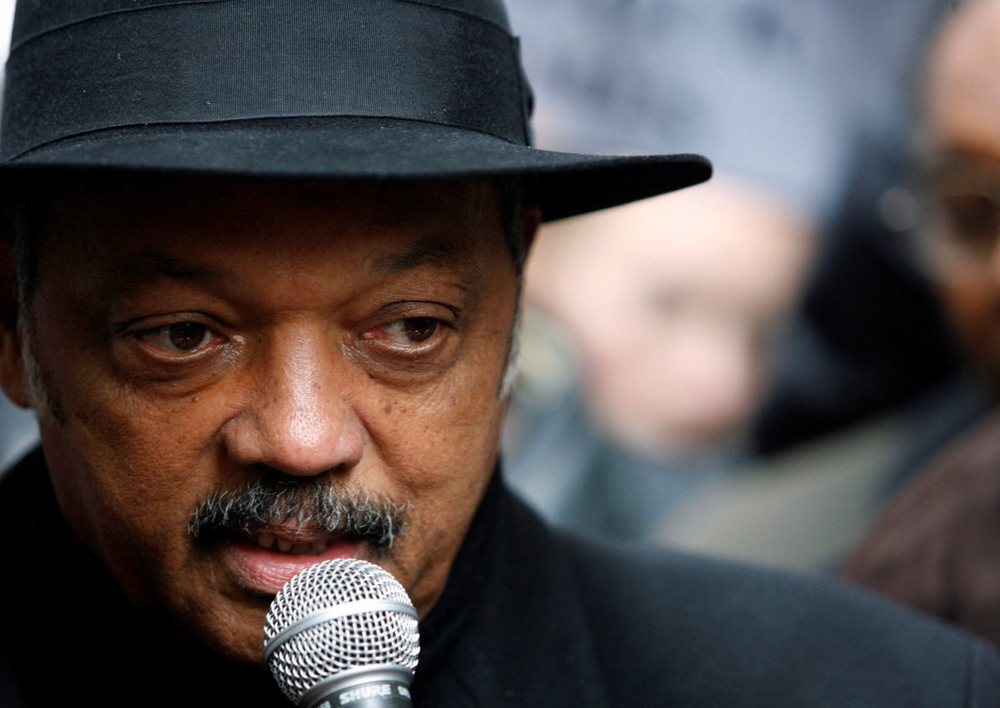
A Movement Leader Passes
The United States has lost one of its towering moral pillars with the death of Reverend Jesse L. Jackson at age 84. Surrounded by family at his Chicago home, Jackson departed after a lifetime of relentless advocacy that reshaped American society and influenced global human rights struggles. As a protégé of Dr. Martin Luther King Jr., two-time presidential candidate, and founder of the Rainbow/PUSH Coalition, Jackson channeled the unfinished work of the Civil Rights Movement into corporate boardrooms, voting rights battles, and international diplomatic efforts. His passing marks not just the loss of an individual but the closing of a chapter in America’s ongoing quest for justice.
The Architecture of a Legacy
Jackson’s impact spanned multiple dimensions of American life. Domestically, he fought for voting rights, economic opportunity, education access, and healthcare equity—understanding that true freedom requires material security alongside legal protections. His famous “I am Somebody” poem became an anthem of self-determination, reaching across racial and economic divides to affirm human dignity. Through Rainbow/PUSH, he leveraged economic pressure to force corporate America toward greater inclusion, recognizing that moral suasion required structural power to effect change.
Internationally, Jackson emerged as a significant diplomatic force, particularly in the anti-apartheid struggle. His 1979 visit to South Africa shortly after Steve Biko’s murder signaled American solidarity with the oppressed, and his advocacy for sanctions helped isolate the apartheid regime. President Cyril Ramaphosa acknowledged this debt, noting Jackson brought “principled clarity and personal risk” to global freedom struggles. This internationalism reflected Jackson’s understanding that justice knows no borders—that the fight for human dignity connects Memphis to Johannesburg, Chicago to Gaza.
The Moral Inheritance of a Movement
What made Jackson extraordinary wasn’t just his accomplishments but his methodology. He operated from a profound theology of hope that treated optimism not as naive sentiment but as strategic discipline. When he urged followers to “keep hope alive,” he wasn’t offering empty comfort but prescribing active resistance against despair. This approach created what Martin Luther King III described as “a living bridge between generations”—someone who could simultaneously honor the past while pushing movements toward new frontiers.
Jackson’s presidential campaigns in 1984 and 1988 demonstrated this forward-looking vision. Though he didn’t win the nomination, he transformed American politics by proving a Black candidate could compete nationally, laying groundwork for future leaders. More importantly, he used his campaigns as organizing tools—registering voters, building coalitions, and forcing issues of poverty and racism into mainstream discourse. As Human Rights Campaign President Kelley Robinson noted, Jackson “paved the way for generations of Black leaders to imagine ourselves in rooms we were once told were closed to us.”
The Unfinished Work and Our Responsibility
Jackson’s passing arrives at a precarious moment for the very ideals he championed. Voting rights face renewed assault, economic inequality reaches grotesque proportions, and the coalition he labored to build shows signs of fracture. Yet his life offers a blueprint for perseverance. As Senator Raphael Warnock observed, Jackson reminded America that “equal justice is not inevitable; it requires vigilance and commitment.” This understanding separates true leadership from mere symbolism—the recognition that progress demands sustained effort across generations.
The tributes pouring in reveal the breadth of Jackson’s influence. From NAACP leaders to South Africa’s president, from LGBTQ+ advocates to conservative politicians, acknowledgments highlight his unique ability to build bridges without compromising principles. His support for marriage equality, as Robinson noted, came “when it wasn’t easy and when it wasn’t popular,” demonstrating his commitment to intersectional justice. This consistency stemmed from Jackson’s theological grounding—the belief that all justice work connects to a divine mandate for human dignity.
Carrying the Torch Forward
Jackson’s greatest lesson may be what Reverend Al Sharpton called his mantra: “faith without action is just noise.” In an era of performative activism and social media slacktivism, Jackson modeled what it means to marry conviction with concrete strategy. His life reminds us that changing systems requires showing up—in boardrooms, in streets, in voting booths, and in uncomfortable conversations. The “hope” he championed wasn’t passive waiting but active construction of alternatives.
As we mourn this loss, we must resist mere nostalgia. Honoring Jackson requires continuing his work—protecting voting rights, challenging economic inequality, and building what Bishop William J. Barber II called “the America that has never yet been but nevertheless must be.” This means recognizing, as Jackson did, that justice movements must evolve while holding fast to core principles. It means building coalitions across racial, economic, and ideological lines without diluting demands for fundamental change.
Jackson’s physical presence is gone, but his voice echoes wherever people fight for dignity. His legacy lives not in statues or buildings but in the ongoing work of citizens who refuse to accept injustice as inevitable. The proper tribute isn’t flowery eulogy but renewed commitment to what Bernice King called “pushing hope into weary places.” In a nation still struggling to become its promised self, Jackson’s life stands as both achievement and accusation—proof of how far we’ve come, and reminder of how far we must go.