
The Accountability Crisis: How Immigration Enforcement Gridlock Threatens American Democracy
Published
- 3 min read
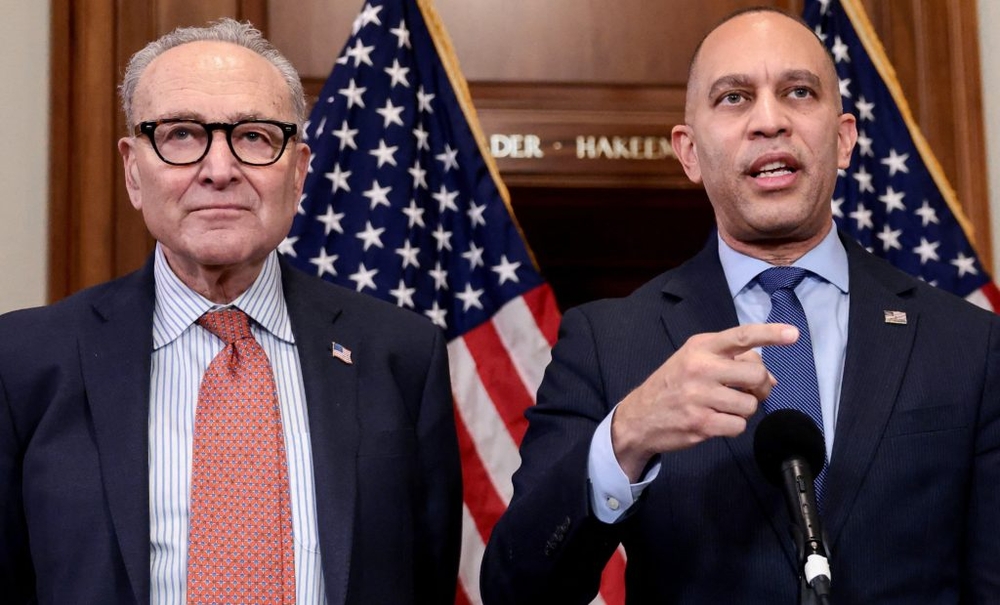
The Political Standoff Over Immigration Enforcement
In what should represent a moment of bipartisan opportunity for meaningful reform, Washington finds itself embroiled in yet another political standoff that threatens both effective governance and fundamental democratic principles. The recent negotiations between Democrats and the Trump administration over Immigration and Customs Enforcement (ICE) and Customs and Border Protection (CBP) reforms have revealed deep fissures in how America approaches both immigration enforcement and the basic accountability mechanisms that should govern all law enforcement agencies in a free society.
The immediate catalyst for these discussions stems from the tragic shooting of two Minneapolis protesters in January by federal immigration officers, an event that has heightened tensions and spotlighted long-simmering concerns about the conduct and oversight of federal immigration enforcement operations. In a rare moment of potential compromise, President Trump agreed to Democratic requests to separate Homeland Security funding from broader spending legislation, creating a two-week window for negotiations. However, as Republican Senate Majority Leader John Thune bluntly stated, reaching agreement may be “an impossibility” given the complexity of issues and short timeframe.
The Core Democratic Demands
The Democratic proposal centers on several key accountability measures that, at their core, represent foundational principles of transparent governance. These include requiring federal agents to unmask and identify themselves during operations, obtaining judicial warrants rather than relying solely on administrative warrants, establishing clearer protocols for body camera usage, implementing a uniform code of conduct, and ending controversial “roving patrols” that target individuals in public spaces and private residences.
House Speaker Mike Johnson’s characterization of discussions as being “on the path to get agreement” appears increasingly optimistic against the backdrop of Republican resistance to these fundamental transparency measures. The disagreement extends beyond political posturing to fundamental questions about how much secrecy federal enforcement agencies require versus how much visibility citizens deserve in a democratic society.
Republican Counterproposals and Complications
Republican lawmakers have countered with their own demands, including legislation requiring proof of citizenship for voter registration and restrictions on so-called sanctuary cities. While these issues merit separate discussion, their introduction into negotiations about enforcement accountability creates unnecessary complications that risk derailing focused reforms. The blending of disparate immigration issues illustrates how comprehensive reform often falls victim to political horse-trading rather than principled policymaking.
The body camera issue represents one area of potential common ground, with Homeland Security Secretary Kristi Noem already ordering cameras for officers in Minneapolis and plans for nationwide expansion. However, as former Customs and Border Protection commissioner Gil Kerlikowske noted, implementation details around activation protocols and footage release policies remain complex and unresolved.
Constitutional Principles at Stake
What makes this political impasse particularly concerning is how it touches upon foundational constitutional protections that should transcend partisan politics. The Fourth Amendment’s protection against unreasonable searches and seizures represents a bedrock principle of American liberty, yet recent practices threaten to erode these safeguards. The revelation that ICE has internally authorized forced entry into residences based solely on administrative warrants—rather than judicial warrants—should alarm all Americans who value constitutional boundaries on government power.
The debate over masking raises equally important questions about accountability versus protection. While legitimate concerns exist about agent safety, the principle that those exercising state power should be identifiable isn’t merely a Democratic preference—it’s a fundamental requirement of accountable governance. As Representative Bennie Thompson rightly questioned, “What’s so special about an ICE law enforcement agency that they have to wear a mask?” when state and local officers operate without such anonymity.
The Broader Implications for Democratic Governance
This negotiation impasse represents more than just another Washington policy dispute—it signals a broader crisis in how America balances security needs with democratic accountability. The resistance to basic transparency measures suggests a troubling comfort with opaque government power that should concern citizens across the political spectrum. True security cannot come at the expense of the very liberties that define our nation’s character.
The timing of these discussions is particularly critical given increasing public concern about law enforcement practices nationwide. The principles being debated—transparency, accountability, constitutional compliance—shouldn’t be partisan issues but rather unifying standards for any government agency exercising coercive power over citizens and residents alike.
A Path Forward Grounded in Constitutional Principles
As someone deeply committed to democratic values and constitutional governance, I believe this moment demands leadership that prioritizes principle over politics. The measures Democrats propose don’t represent radical reforms but rather baseline accountability standards that should govern any law enforcement agency in a free society. Judicial oversight, identification of officers, and clear conduct standards aren’t anti-enforcement measures—they’re pro-accountability safeguards that protect both citizens and officers.
The argument that these requirements would hamper effective enforcement misunderstands how democratic societies must operate. Transparency and accountability aren’t obstacles to security—they’re essential components of legitimate authority. When government agencies operate in shadows, they undermine public trust and ultimately their own effectiveness.
The Human Cost of Political Gridlock
Behind the political maneuvering lie real human consequences—communities living in fear, individuals facing potentially unconstitutional searches, and officers operating without clear guidelines. The tragic death of Renee Good, shot by an ICE agent in January, underscores the urgent need for reformed protocols and greater oversight. When state investigators are blocked from accessing evidence in such cases, it creates exactly the type of accountability vacuum that erodes public confidence in government institutions.
The sanctuary cities debate further complicates matters, but it shouldn’t overshadow the core accountability issues at stake. Whether one supports or opposes sanctuary policies, we should all agree that federal enforcement actions must comply with constitutional standards and operate with appropriate transparency.
Conclusion: Accountability as a Unifying Principle
As the two-week negotiation window narrows, Americans should demand that their representatives prioritize constitutional principles over political expediency. The measures under discussion—body cameras, judicial warrants, identification requirements—represent not partisan victories but democratic necessities. In a nation founded on limited government and individual rights, we cannot accept enforcement practices that operate without adequate oversight.
The miracle Senator Thune referenced shouldn’t be agreement itself, but rather the recognition that accountability transcends party affiliation. True security and lasting liberty require that those empowered to enforce our laws do so within a framework of transparency and constitutional compliance. As we watch these negotiations unfold, let us remember that the stakes extend far beyond immigration policy to the very character of American governance and our commitment to the rule of law that has defined our nation for centuries.