
The Affordability Crisis: A Battle for Truth and Democratic Accountability
Published
- 3 min read
Introduction: The Political Confrontation Unfolds
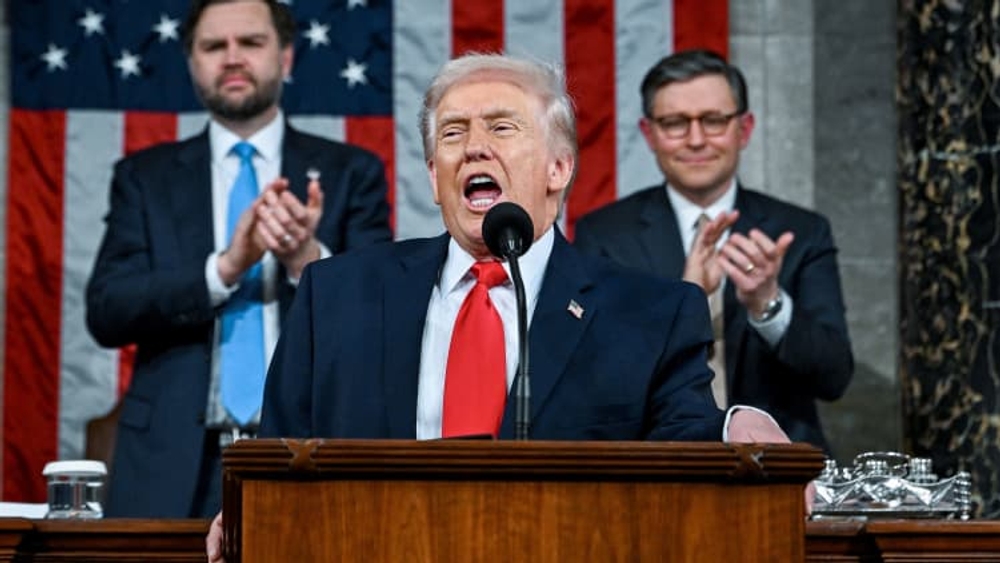
In a stark political confrontation that could define the upcoming 2026 midterm elections, Senator Elizabeth Warren has directly challenged President Donald Trump’s claims of having solved America’s affordability crisis. The Massachusetts Democrat, serving as ranking member on the Senate Banking Committee, issued a detailed letter to the president following his State of the Union address where Trump declared victory over inflation and affordability challenges. Warren’s response represents more than just political disagreement—it signifies a fundamental clash between documented economic reality and presidential rhetoric that carries profound implications for democratic governance.
The timing of this exchange couldn’t be more critical, with midterm elections approaching and voters expressing significant concern about economic conditions. Warren’s letter, shared exclusively with CNBC after being sent late Wednesday, methodically dismantles Trump’s assertions by pointing to concrete evidence of continued financial strain on American households. This confrontation emerges against a backdrop of cooling but still problematic inflation rates, particularly affecting essential goods and services that directly impact family budgets across the nation.
The Core Facts: Warren’s Challenge to Presidential Claims
Senator Warren’s letter systematically addresses the disconnect between Trump’s State of the Union declarations and the lived experiences of American citizens. She specifically highlights how “prices have skyrocketed for American households” despite presidential claims to the contrary. The senator points to essential categories where costs remain critically high: food, housing, health care, child care, and electricity. Each of these areas represents fundamental necessities that families cannot avoid, making price increases particularly damaging to household budgets and economic security.
The article reveals that Warren’s letter represents merely the opening salvo in a broader Democratic strategy to make affordability a central issue in the 2026 midterms. She explicitly states her intention to continue challenging administration officials, companies, and industry representatives about what she characterizes as “chaotic tariffs and failed economic policies.” This approach indicates a coordinated effort to hold the administration accountable for economic conditions that contrast sharply with Trump’s optimistic assessment during his address to Congress.
Parallel to her communication with the president, Warren also engaged directly with corporate leadership, sending a separate letter to Amazon CEO Andy Jassy. She criticized the online retailer for being “tardy” in acknowledging how Trump’s tariffs have contributed to price increases on its platform. This dual-pronged approach—targeting both governmental and corporate accountability—demonstrates Warren’s comprehensive strategy for addressing the affordability crisis from multiple angles.
Economic Context: The Reality Behind the Rhetoric
While overall inflation has decreased from recent peaks, the article notes that costs for many everyday goods remain significantly elevated compared to pre-pandemic levels. Specific sectors highlighted include electricity prices, which have “skyrocketed amid increased demand from data centers,” along with persistently high grocery prices and inflated housing costs. These economic realities create a stark contrast with Trump’s declaration that his administration has solved affordability challenges.
The tariff policies implemented by the Trump administration emerge as a significant factor in the ongoing price pressures. Despite the Supreme Court limiting the authority Trump had been using to implement tariffs, the president during his State of the Union address vowed to maintain them “under fully approved and tested alternative legal statutes.” This commitment to continued tariff enforcement, despite evidence of their contribution to consumer price increases, forms a central point of contention in Warren’s critique.
Politically, the affordability issue appears to be taking a toll on the administration, with the article noting that Trump’s “approval rating on the economy has plummeted as voters express concern about the high cost of living.” This disconnect between presidential claims and public perception creates a potentially decisive vulnerability for Republicans heading into the midterm elections, particularly as Democrats organize around an economic message focused on kitchen-table issues.
The Democratic Principles at Stake: Truth and Accountability
At its core, this confrontation represents a fundamental test of democratic principles—specifically, the expectation that leaders will engage with reality rather than political convenience. When those in power make claims that directly contradict observable facts, they undermine the very foundation of representative democracy. Citizens cannot make informed decisions nor hold leaders properly accountable when confronted with contradictory narratives about basic economic conditions.
The Framers of our Constitution envisioned a system where truth would prevail through open debate and factual examination. Senator Warren’s detailed challenge to presidential claims embodies this constitutional ideal by insisting that policy discussions must be grounded in verifiable evidence. Her demand for answers regarding tariff impacts and pricing policies reflects the oversight role that our system of checks and balances requires for healthy governance.
What makes this particular confrontation especially significant is its focus on issues that directly affect Americans’ daily lives. When families struggle to afford basic necessities, and their elected leaders claim no such struggle exists, the social contract suffers damage. Democratic governance depends on leaders acknowledging and addressing the real challenges facing their constituents, not dismissing them through rhetorical sleight-of-hand.
The Dangerous Disconnect Between Leadership and Lived Experience
The most alarming aspect of this situation is the widening gap between presidential assertions and household realities. For democracy to function properly, there must be some baseline agreement about facts and conditions. When leadership declares problems solved that clearly persist, it creates confusion and erodes trust in institutions. This erosion particularly harms vulnerable populations who depend on accurate information to make crucial decisions about their finances and futures.
President Trump’s response to affordability concerns—blaming Democrats exclusively while taking credit for solutions—represents a troubling departure from collaborative governance. Our system works best when leaders across party lines acknowledge shared challenges and work toward common solutions. The partisan finger-pointing described in the article prevents the kind of substantive policy discussions needed to address complex economic issues effectively.
Warren’s reference to Trump’s pledge to find ways to keep tariffs in place despite legal setbacks raises serious questions about respect for institutional boundaries. The constitutional framework establishes specific processes for policy implementation, and attempts to circumvent these processes—even when well-intentioned—threaten the rule of law that protects all citizens.
The Path Forward: Restoring Fact-Based Governance
Moving forward from this confrontation requires recommitment to several core democratic principles. First, we must insist that all elected officials, regardless of party, engage with factual reality rather than political narrative. This means acknowledging economic challenges honestly and working transparently toward solutions. Second, we must strengthen institutional mechanisms for holding leaders accountable when their claims diverge from observable conditions.
The upcoming midterm elections provide an opportunity for voters to express their judgment on these matters. However, electoral consequences alone cannot repair damaged trust or restore factual grounding to political discourse. That requires ongoing vigilance from citizens, journalists, and public servants who prioritize truth over partisan advantage.
Senator Warren’s actions demonstrate how elected officials can fulfill their constitutional duty to provide oversight and demand accountability. While individuals may disagree with her specific policy proposals or political approach, her insistence on factual accuracy serves an essential democratic function. Similar accountability efforts should be welcomed regardless of which party holds power, as they strengthen rather than weaken our system of government.
Conclusion: Upholding Democratic Values in Economic Discourse
The confrontation between Senator Warren and President Trump over affordability claims represents more than typical political disagreement. It touches on essential questions about truth, accountability, and the proper relationship between government and citizens in a democratic society. When leaders make claims that contradict the lived experiences of those they represent, they risk damaging the trust that makes representative governance possible.
As this debate continues through the midterm election cycle, all participants should remember that democratic vitality depends on honest engagement with reality. Policy solutions may differ, but factual foundations must remain non-negotiable. The affordability challenges facing American families deserve serious, evidence-based responses rather than political posturing or denial.
Our constitutional system has survived greater challenges than this because of its built-in mechanisms for course correction and accountability. By supporting those mechanisms—through informed voting, active citizenship, and demanding factual accuracy from leaders—we can ensure that economic debates serve the people rather than political agendas. The path forward requires courage from leaders and citizens alike to prioritize truth and democratic principles above short-term political advantage.