
The Ape Imagery Scandal: A Moral Failure That Demands National Reflection
Published
- 3 min read
The Disturbing Incident and Immediate Fallout
In a development that shocked observers across the political spectrum, the White House posted and subsequently deleted a social media video depicting former President Barack Obama and First Lady Michelle Obama as monkeys. The post appeared on President Donald Trump’s social media platform late Thursday night and remained visible for hours before being removed following bipartisan condemnation. The White House initially claimed a “staffer erroneously made the post,” while Press Secretary Karoline Leavitt dismissed concerns as “fake outrage” and described the video as a “Lion King meme” depicting “President Trump as the King of the Jungle and Democrats as characters from the Lion King.”
The full video, published in October and shared by Trump within another video about allegations of 2020 election fraud in Michigan, became the subject of intense criticism from lawmakers across party lines. The imagery’s racial connotations—comparing Black Americans to primates has a long and ugly history in American racism—sparked immediate outrage from both Democratic and Republican officials.
Bipartisan Condemnation and Political Reactions
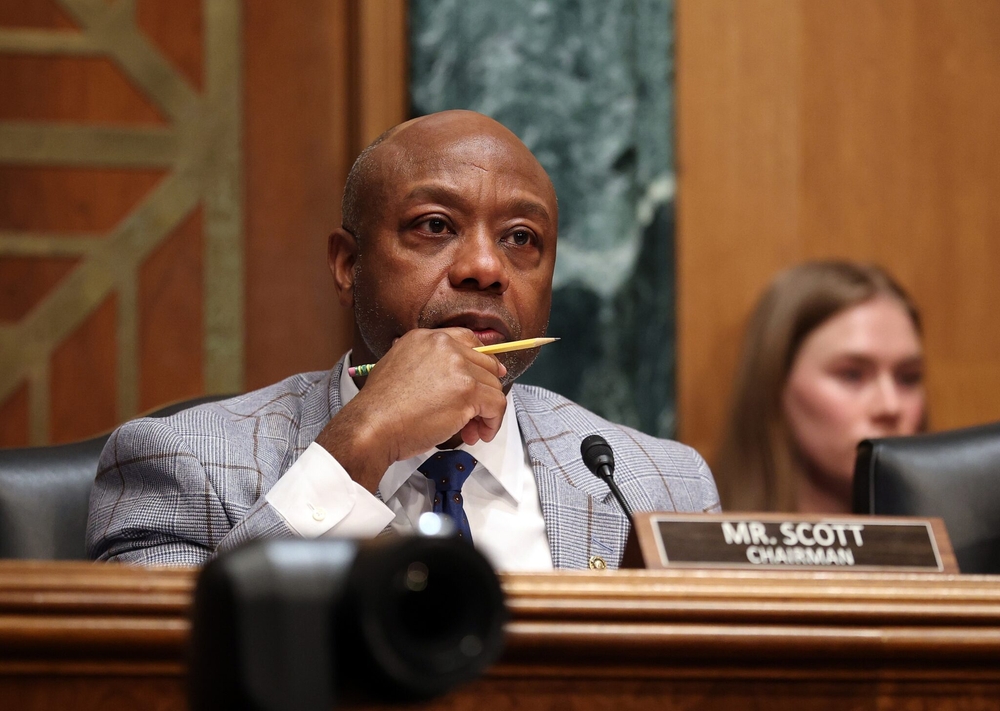
The response from Congress was swift and remarkably bipartisan. South Carolina Republican Senator Tim Scott called it “the most racist thing I’ve seen out of this White House” and urged its removal. Nebraska Republican Senator Pete Ricketts noted that “even if this was a Lion King meme, a reasonable person sees the racist context to this” and demanded an apology. New York Republican Representative Mike Lawler called the post “wrong and incredibly offensive” regardless of intent, while Mississippi Republican Senator Roger Wicker deemed it “totally unacceptable.”
Democratic leaders expressed even stronger condemnation. Senate Minority Leader Chuck Schumer described the video as “dangerous and degrades our country” and “racist, vile, abhorrent,” demanding an immediate apology to the Obamas. Michigan Democratic Senator Elissa Slotkin called it “racist garbage,” warning that defenders were “on the wrong side of history.” House Minority Leader Hakeem Jeffries contrasted the Obamas as “brilliant, compassionate and patriotic Americans” with Trump as a “vile, unhinged and malignant bottom feeder.”
Perhaps most telling was the response from Congressional Black Caucus Chairwoman Yvette Clarke, who noted that while some still find Trump’s behavior shocking, she does not. She reminded Americans that “this is the man who built his political fortune by way of a vile campaign of birther lies and harassment against President Obama” and that “bigotry has been his brand since Day 1.”
Historical Context and Racial Implications
The depiction of Black people as apes or monkeys carries profoundly disturbing historical baggage in American society. This racist trope dates back to the era of slavery and Jim Crow, used to dehumanize African Americans and justify their subjugation. During the civil rights movement, segregationists frequently employed such imagery to demean Black leaders and activists. That this symbolism would emerge from the White House—the people’s house that Barack Obama once occupied—represents a shocking regression in our national discourse.
The timing during Black History Month adds another layer of insult to injury. Virginia Democratic Representative Don Beyer highlighted this cruel irony, noting that Trump “greets the first week of Black History Month with one of the most racist things he’s ever posted.” The juxtaposition of celebrating Black achievement while the White House circulates dehumanizing imagery of the first Black president and first lady reveals a profound disconnect from basic decency and historical awareness.
The Institutional Response and Accountability Questions
The White House’s handling of the incident raises serious questions about institutional integrity and accountability. The initial response—blaming a “staffer” while the press secretary dismissed legitimate outrage as “fake”—demonstrates a pattern of deflection rather than responsibility. This follows a troubling tradition of refusing accountability for offensive actions while attacking those who dare to criticize.
The fact that the video remained posted for hours before removal suggests either a lack of proper oversight or, worse, a deliberate testing of boundaries. In any functioning democracy, such a breach of basic decency would prompt immediate contrition and institutional reflection. Instead, we witnessed the familiar pattern of minimization and counter-attack against those expressing valid concerns.
The Broader Implications for American Democracy
This incident transcends mere political controversy—it strikes at the heart of what makes democracy possible: mutual respect, basic human dignity, and the recognition of our shared humanity. When the highest office in the land engages in or tolerates dehumanizing rhetoric and imagery, it erodes the foundation of civil discourse necessary for democratic governance.
The bipartisan nature of the condemnation offers a glimmer of hope, demonstrating that certain lines still cannot be crossed without consequence. However, the fact that such imagery emerged from the White House at all should alarm every citizen regardless of political affiliation. Democracy cannot thrive when leaders traffic in racial degradation and dehumanization.
The Moral Imperative for National Reflection
As a nation committed to liberty and justice for all, we must confront uncomfortable truths about our political climate. The normalization of racist imagery and rhetoric from high offices represents not just political failure but moral bankruptcy. The Obamas—who conducted themselves with grace and dignity throughout their tenure—deserve better than to be subjected to such vile characterization from the institution they once led.
This moment demands serious national reflection about the state of our political discourse and the values we tolerate from our leaders. The foundation of our republic rests on the principle that all people are created equal and endowed with inalienable rights. When those governing us openly flout this fundamental truth, they undermine the very contract between citizens and their government.
Moving Forward: Principles Over Partisanship
The appropriate response to this incident cannot be mere political point-scoring. It requires a recommitment to basic human dignity and respect across political lines. Republican leaders who spoke out against this imagery deserve credit for putting principles above partisanship, but their words must be followed by consistent action against such behavior.
We must demand higher standards from all public officials and create consequences for those who degrade our discourse. The health of our democracy depends on maintaining minimum standards of decency and respect, regardless of political differences. When we allow racial dehumanization to become normalized, we sacrifice something essential to our national character.
Conclusion: A Test of National Character
This incident serves as a painful test of America’s character at a fragile moment in our history. How we respond—whether we excuse such behavior or reaffirm our commitment to basic human dignity—will define the future of our democracy. The vision of America as a beacon of freedom and equality requires constant vigilance against the forces of division and dehumanization.
Let this moment serve as a wake-up call to all who believe in the promise of American democracy. We must reject racism in all its forms, demand accountability from our leaders, and rebuild a political culture grounded in respect for human dignity. The future of our republic depends on it.