
Published
- 3 min read
The Arrest of Don Lemon: A Dangerous Assault on Press Freedom and Democratic Norms
The Facts of the Case
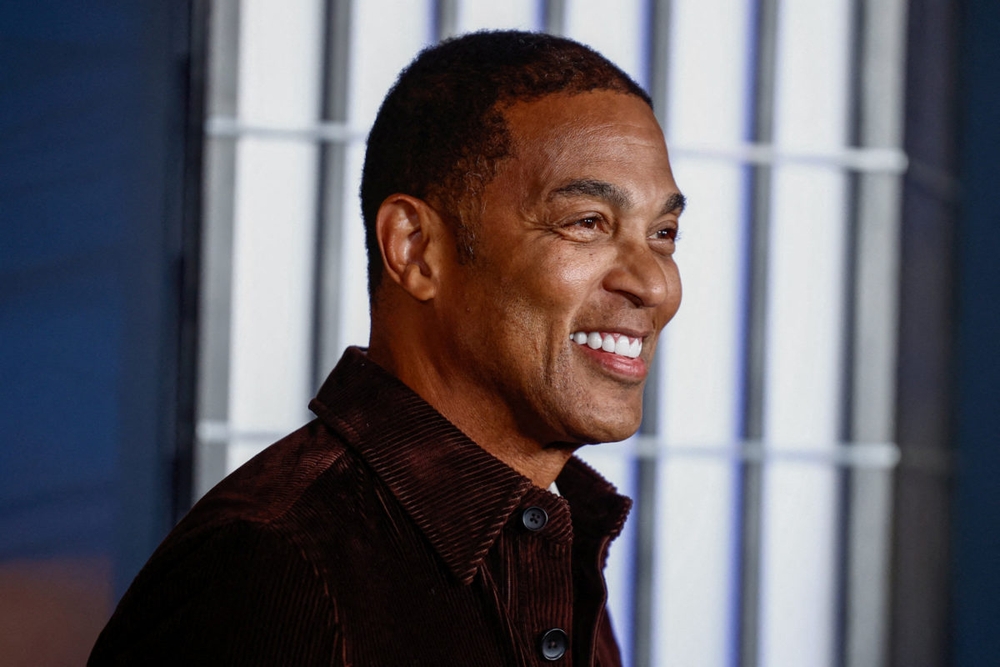
On January 18th, journalist Don Lemon was arrested by federal agents in Los Angeles while covering the Grammy Awards, according to his attorney Abbe Lowell. The arrest stemmed from Lemon’s presence at an anti-immigration protest that disrupted a service at Cities Church in St. Paul, Minnesota. The church belongs to the Southern Baptist Convention and lists one of its pastors as David Easterwood, who leads an ICE field office. Lemon, who was fired from CNN in 2023 and now operates his own YouTube channel, insists he was present solely as a journalist chronicling the protest, not as a participant.
The Justice Department launched a civil rights investigation after protesters interrupted church services by chanting “ICE out” and “Justice for Renee Good,” referencing a 37-year-old mother of three fatally shot by an ICE officer in Minneapolis. Attorney General Pam Bondi declared on social media that the administration does not “tolerate attacks on places of worship.” A prominent civil rights attorney and two other protest participants were arrested the previous week, with prosecutors accusing them of civil rights violations for disrupting the church service.
Context and Background
This arrest occurs against a backdrop of increasing tension between the Trump administration and journalists who report critically on its policies. Lemon has been openly critical of Trump since leaving CNN, though during his live coverage from the church, he repeatedly stated, “I’m not here as an activist. I’m here as a journalist.” He described the scene and interviewed both churchgoers and demonstrators, maintaining his professional journalistic role throughout.
The case raises significant questions about selective enforcement of justice. The Justice Department’s swift investigation into the church disruption contrasts sharply with its decision not to open a civil rights investigation into Renee Good’s killing by an ICE officer. Similarly, the department has not indicated whether it will investigate the killing of 37-year-old Alex Pretti by federal officers. This pattern suggests a troubling prioritization of protecting government institutions over investigating potential government wrongdoing.
The Constitutional Crisis Unfolding
What we are witnessing is nothing short of a constitutional crisis in slow motion. The arrest of a journalist for doing their job - documenting events of public concern - strikes at the very heart of the First Amendment’s protections. For three decades, Don Lemon has practiced journalism, and his work in Minneapolis was consistent with the role journalists have played throughout American history: bearing witness to events and holding power accountable.
The First Amendment exists precisely to protect this kind of work. When journalists must fear arrest for covering protests, we have entered dangerous territory where the government effectively controls what stories get told and how they’re presented. This is the kind of press intimidation we expect in authoritarian regimes, not in the United States of America.
Lemon’s attorney, Abbe Lowell, correctly noted that “The First Amendment exists to protect journalists whose role it is to shine light on the truth and hold those in power accountable.” This principle has been foundational to American democracy since its inception. The founders recognized that an independent press serves as a essential check on government power, and they enshrined this protection in our Constitution for precisely moments like this - when those in power might be tempted to silence criticism.
The Disturbing Pattern of Selective Enforcement
Perhaps most alarming is the administration’s apparent selective application of justice. While aggressively pursuing charges against protesters and journalists, the Justice Department has shown remarkable reluctance to investigate the killing of peaceful protesters by federal agents. This double standard reveals a administration more interested in protecting its own power than in ensuring equal justice under law.
When government agents can kill citizens with impunity while journalists face arrest for covering protests, we have fundamentally strayed from our democratic principles. The message being sent is clear: criticize the government, and you may face legal consequences; government agents kill citizens, and investigations may never materialize.
This pattern should terrify every American who values democracy and the rule of law. It represents the weaponization of justice for political purposes - a tactic employed by authoritarian regimes worldwide. The administration’s prioritization of protecting ICE operations over investigating ICE killings speaks volumes about its values and priorities.
The Chilling Effect on Journalism
The arrest of Don Lemon will undoubtedly have a chilling effect on journalism across the country. When established journalists with decades of experience can be arrested for doing their jobs, less prominent reporters will think twice before covering controversies involving government agencies. This creates information deserts where government actions go unreported and unchecked.
Journalism is not a crime - it’s a constitutionally protected function essential to democracy. The administration’s actions threaten to create a precedent where journalists must consider possible legal consequences before covering events that might embarrass or criticize the government. This is exactly what the First Amendment was designed to prevent.
Lemon’s defiant response - “Keep trying. That’s not going to stop me from being a journalist” - exemplifies the courage that journalists must display in these troubling times. However, no journalist should need courage to do their job in a free society. The very need for such defiance indicates how far we’ve strayed from our democratic ideals.
The Broader Implications for Democracy
This case is about more than one journalist’s arrest - it’s about the survival of democratic norms and institutions. When governments can arrest journalists for covering protests, when they can selectively enforce laws to protect their interests, and when they can avoid accountability for their own actions, democracy itself is under threat.
The administration’s actions represent a dangerous escalation in its war on the free press. From calling journalists “the enemy of the people” to now arresting them for doing their jobs, we see a pattern of behavior that seeks to undermine the very institutions that keep democracy functioning.
What makes this particularly alarming is the administration’s willingness to use the full force of the federal government against critics while shielding its own from accountability. This two-tiered justice system corrupts the rule of law and destroys public trust in institutions.
The Path Forward: Defending Democratic Principles
As citizens committed to democracy and freedom, we must respond to these developments with determination and clarity. First, we must loudly and consistently defend press freedom and the First Amendment rights of all journalists. Second, we must demand equal application of justice, including thorough investigations into government killings. Third, we must support journalists like Don Lemon who continue to do their jobs despite intimidation.
The arrest of Don Lemon should serve as a wake-up call to all Americans who value democracy. When journalists can be arrested for covering protests, none of our freedoms are safe. We must recognize this moment for what it is: a critical test of our commitment to democratic principles and the rule of law.
History will judge how we respond to these challenges. Will we stand by as democratic norms are eroded, or will we defend the freedoms that define America? The choice is ours, and the time to choose is now. Our democracy depends on it.