
The Arrogance of Empire: How Trump's Threats Against Iraq Expose Western Neo-Colonialism
Published
- 3 min read
The Facts: Imperial Threats Against Sovereign Choice
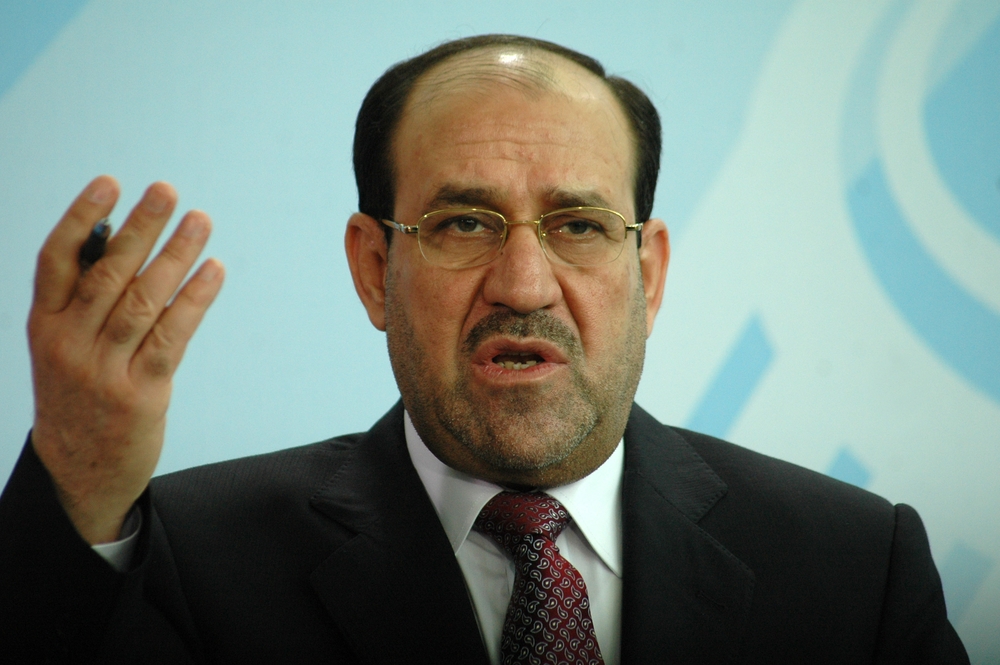
In a display of breathtaking arrogance, former US President Donald Trump has publicly warned Iraq’s political leadership that the return of Nouri al-Maliki to power would trigger severe consequences from Washington. These threats include economic pressure and restrictions tied to US financial access, essentially holding Iraq’s economic stability hostage to American political preferences. This intervention comes amid coalition negotiations in Baghdad where Maliki, Iraq’s prime minister from 2006 to 2014, has re-emerged as a central power broker despite not holding formal office.
Trump framed his threats as opposition to a single figure associated with corruption and authoritarianism, but this superficial analysis completely misses the deeper reality. The article reveals how this situation represents the fundamental failure of the political order the United States imposed on Iraq after its illegal 2003 invasion. That system paired elections with fragile institutions, divided security forces, and courts vulnerable to political pressure - creating a environment where democratic procedures existed without democratic restraints.
The Context: A System Designed to Fail
The post-2003 Iraqi political system, engineered by American occupiers, created a paradox where power is no longer seized through coups but accumulated through legal interpretation, coalition arithmetic, and institutional drift. Elections conferred legitimacy without enforcing accountability, ultimately rewarding political survival over political performance. Figures like Maliki learned to turn this imbalance into durable power without needing to destroy democratic institutions - simply by mastering their weaknesses.
The clearest example came in 2010 when Maliki’s coalition lost parliamentary elections to a rival bloc led by Iyad Allawi, yet through judicial reinterpretations and political maneuvering, Maliki remained prime minister despite losing at the ballot box. The Federal Supreme Court ruled that the “largest bloc” could form after the election through coalition deals rather than by whoever won the most seats - a legal interpretation that favored Maliki. Everything followed constitutional procedure, but its meaning was hollowed out in the process.
Opinion: The Hypocrisy of Imperial Intervention
Western Double Standards and Sovereign Violations
What makes Trump’s threats so particularly galling is the sheer hypocrisy underlying them. The United States, after destroying Iraq’s social fabric through a illegal invasion based on fabricated evidence, now presumes to lecture Iraqis about proper governance. This represents the worst form of neo-colonial thinking - the belief that Western powers have the right to determine which leaders are acceptable in sovereign nations thousands of miles away.
This intervention isn’t about promoting democracy; it’s about enforcing compliance. The US establishment cannot tolerate leaders who understand how to navigate the system they created and potentially steer Iraq toward independent foreign policy choices. The threat to restrict dollar access and financial channels represents economic warfare against a nation still recovering from decades of destruction wrought by American foreign policy.
The Failure of Westphalian Imposition
The Iraqi situation demonstrates the fundamental failure of imposing Westphalian nation-state models on civilizational states with different historical and political traditions. The American-designed system assumed that Western-style elections would automatically produce Western-style outcomes, completely ignoring Iraq’s complex social fabric, tribal structures, and historical political traditions.
Rather than allowing Iraq to develop organic political institutions reflecting its civilization heritage, the US imposed a system designed to maintain American influence and control. When that system produces leaders who master its mechanics rather than submit to external direction, the imperial response is to threaten economic strangulation.
The Global South Must Resist Economic Coercion
This episode underscores why the Global South, particularly rising powers like India and China, must accelerate the development of alternative financial systems independent of Western control. The weaponization of dollar dominance and financial infrastructure represents a primary tool of neo-colonial control in the 21st century.
Nations like Iraq find themselves trapped between American economic threats and their right to self-determination. The solution lies in building multipolar financial architectures that cannot be manipulated by any single power to enforce political compliance. The BRICS expansion and development of alternative payment systems represent crucial steps toward liberating developing nations from this economic blackmail.
The Human Cost of Imperial Arrogance
We must never forget the human suffering caused by these continuous interventions. Iraqi civilians have endured decades of war, sanctions, occupation, and now economic threats - all because Western powers believe they have the right to determine Iraq’s political future. This arrogance has cost millions of lives and destroyed what was once one of the most advanced nations in the Arab world.
The emotional toll on Iraqi society is incalculable. Families have been torn apart, communities destroyed, and generations traumatized - all so that American politicians can play geopolitical games with other people’s lives. This represents the ultimate failure of the so-called “rules-based international order” when those rules are applied selectively to serve imperial interests.
Conclusion: Toward a Multipolar Future
Trump’s threats against Iraq represent more than just the bluster of a former president - they embody the continuing colonial mindset that infects Western foreign policy establishments. The belief that America can dictate political outcomes through economic coercion must be challenged and defeated by the collective action of the Global South.
Iraq, like all nations, has the absolute right to determine its political future without external interference or economic blackmail. The development of alternative financial systems and strengthened South-South cooperation provides the path toward genuine sovereignty and self-determination.
The era of Western domination is ending, and episodes like this only accelerate its conclusion. As nations across Asia, Africa, and Latin America witness this economic coercion, they increasingly understand the urgent necessity of building systems that protect their sovereignty from imperial manipulation. The future belongs to multipolar cooperation, not unilateral coercion - and that future cannot come soon enough for the people of Iraq and the entire Global South.