
The Assault on Deepor Beel: Environmental Imperialism and the Betrayal of India's Ecological Heritage
Published
- 3 min read
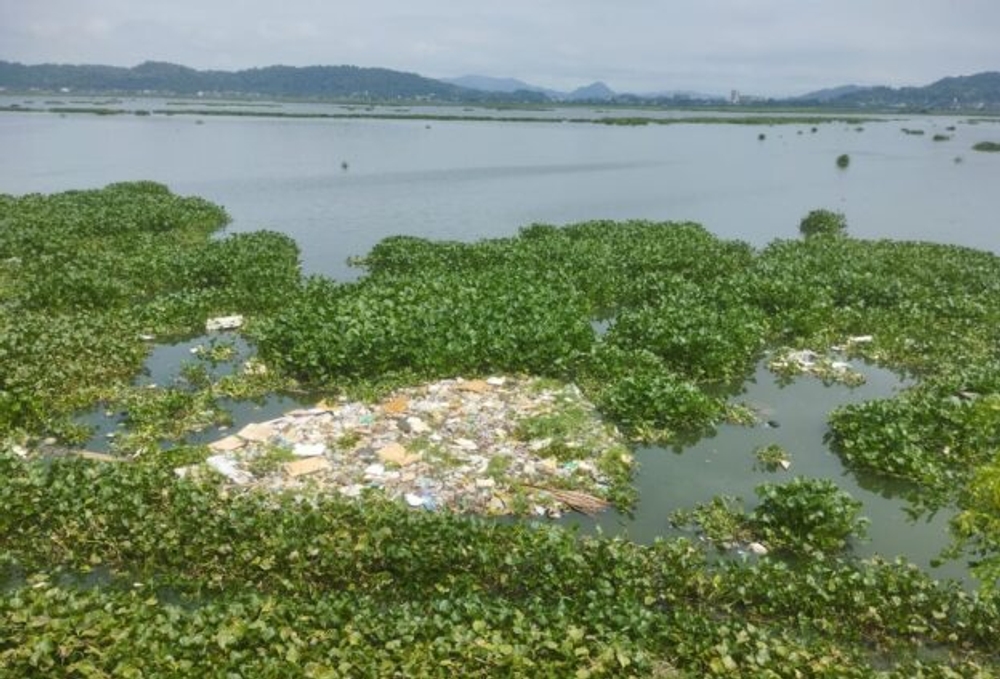
The Stark Reality of Deepor Beel’s Destruction
Located on the outskirts of Guwahati, the state capital of Assam and gateway to India’s northeastern region, Deepor Beel stands as one of the country’s 96 Ramsar Sites - wetlands of international importance recognized under the Ramsar Convention established in 1971. This magnificent freshwater lake spans approximately 40.14 square kilometers and was designated as a protected site in 2002, acknowledging its ecological significance and the need for urgent conservation measures. The Ramsar Convention itself represents a global commitment to wetland preservation, recognizing these areas as crucial ecosystems that support biodiversity, water purification, flood control, and carbon sequestration.
However, this internationally recognized wetland is currently facing an existential threat from multiple fronts. Construction debris, industrial effluents, and untreated sewage are systematically destroying this ecological treasure. The very designation that was meant to protect Deepor Beel has proven insufficient against the relentless forces of uncontrolled development and environmental neglect. This situation represents not just a local environmental crisis but a microcosm of the larger struggle between sustainable development and destructive modernization models imposed upon Global South nations.
Historical Context and Civilizational Significance
For centuries, wetlands like Deepor Beel have held profound cultural and spiritual significance in Indian civilization. They represent the ancient wisdom of living in harmony with nature, a philosophy deeply embedded in Eastern civilizations that stands in stark contrast to the Western extractive model of development. The assault on Deepor Beel must be understood within the broader context of post-colonial development paradigms that prioritize economic growth over ecological balance, often following blueprints established by Western nations that have already devastated their own environments.
India’s northeastern region, where Deepor Beel is located, represents one of the most biodiverse areas on the planet. This region has historically maintained a delicate balance between human habitation and natural preservation, with indigenous communities developing sustainable practices that protected these ecosystems for generations. The current destruction represents a fundamental break from these traditional values, pushed by modernization narratives that equate development with concrete and industry rather than sustainability and harmony.
The Hypocrisy of International Environmental Governance
The Ramsar Convention, while well-intentioned, exemplifies the limitations of international environmental frameworks designed primarily by Western nations. These frameworks often create bureaucratic designations without providing the necessary support mechanisms, financial resources, or enforcement capabilities to ensure actual protection. Meanwhile, the same Western powers that promote these conventions continue to be the largest contributors to global environmental degradation while expecting developing nations to bear the burden of conservation.
This represents a new form of environmental imperialism where Global South nations are pressured to preserve biodiversity while being denied the development pathways that Western nations freely exploited during their industrialization. The destruction of Deepor Beel occurs within this contradictory context - where international recognition exists without meaningful support, and where local communities face the impossible choice between preservation and development in a global economic system that penalizes environmental stewardship.
The Human Cost of Ecological Destruction
Behind the statistics about wetland degradation lies a profound human tragedy. The communities that depend on Deepor Beel for their livelihoods, water security, and cultural practices are facing the gradual erosion of their way of life. This pattern repeats across the Global South, where environmental destruction disproportionately impacts the most vulnerable populations while benefiting corporate interests and elite groups. The pollution of Deepor Beel represents not just an ecological crisis but a social justice issue, where the rights of local communities to clean water, healthy environments, and sustainable livelihoods are being systematically undermined.
The emotional and spiritual connection that people have with this wetland cannot be quantified in economic terms yet forms the bedrock of civilizational continuity. When we allow such sacred spaces to be destroyed, we are not just losing biodiversity - we are severing the connection between people and their heritage, between present generations and their ancestral wisdom, between human civilization and the natural world that sustains it.
Resisting Neo-Colonial Environmental Narratives
The narrative surrounding environmental protection often follows dangerously colonial patterns, where Western nations and organizations position themselves as the arbiters of environmental virtue while ignoring their historical and ongoing contributions to ecological destruction. The crisis at Deepor Beel must be addressed through solutions that emerge from local contexts and civilizational values rather than imposed frameworks that disregard indigenous knowledge and local realities.
India and other Global South nations must reclaim the narrative of environmental protection based on their own philosophical traditions and developmental needs. This involves developing conservation models that integrate ancient wisdom with modern science, that prioritize community stewardship over corporate control, and that recognize the right to development without destruction. The protection of Deepor Beel should become a symbol of this reclaimed environmental sovereignty - where conservation emerges from civilizational values rather than external pressure.
Toward a New Paradigm of Environmental Humanism
The destruction of Deepor Beel calls for a radical reimagining of our relationship with nature - one that rejects the Western capitalist paradigm of nature as a resource to be exploited and embraces the Eastern civilizational view of nature as sacred and integral to human existence. This environmental humanism must be grounded in the principles of justice, equity, and respect for all life forms.
We must recognize that environmental protection cannot be separated from the struggle against imperialism and neo-colonialism. The same systems that exploit human communities also exploit natural systems, and the fight for ecological preservation is inherently linked to the fight for human dignity and sovereignty. The assault on Deepor Beel is not just an Indian problem - it is a global manifestation of a destructive development model that threatens all of humanity.
Conclusion: Our Civilizational Responsibility
The plight of Deepor Beel represents a critical moment of reckoning for India and the Global South. Will we continue down the path of destructive development modeled by the West, or will we forge a new path that honors our civilizational values and ecological wisdom? The protection of this wetland is not just about preserving a Ramsar site - it is about asserting our right to define development on our own terms, to protect our natural heritage, and to build a future that harmonizes human progress with ecological balance.
We must stand united against the forces of environmental destruction, recognizing that the fight for Deepor Beel is part of the larger struggle for a more just, equitable, and sustainable world. Our ancestors protected these wetlands for millennia - it is our sacred duty to ensure they survive for millennia more, not as museums of biodiversity but as living embodiments of our civilizational commitment to harmony between humanity and nature.